
Книга Headway - Продвинутый уровень - Раздел 2
Здесь вы найдете лексику из Раздела 2 учебника Headway Advanced, такую как "записать", "модное слово", "потерять дар речи" и т.д.
Обзор
Флэш-карточки
формы
Правописание
Тест

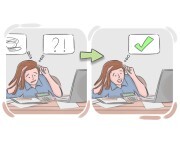
to comprehend something

осмысливать некоторую информацию
Внимательно воспримите детали; они имеют решающее значение для задачи.

to thoroughly review, examine, or check something
просмотреть
Пожалуйста, проверьте ваше сочинение на наличие грамматических ошибок перед отправкой.

to make a note of something in a hurried and informal style
записывать
Мне нужно быстро записать основные моменты встречи для отчёта.
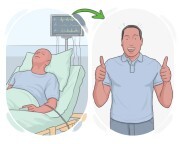
to stay alive or recover after an unpleasant event such as a serious illness
успешно справляться
Несмотря на трудности, ей удалось пережить операцию успешно.

to suddenly become aware of something that one did not notice before, or that one had forgotten about
переживание внезапно
Когда я шёл, мне вдруг пришло в голову, что я оставил свои ключи дома.

to murder someone
убить человека
В криминальном романе антагонист замышлял убить главного героя, чтобы устранить угрозу.

by telling others rather than writing or showing it to them
из уст в уста, по сарафанному радио
Ресторан стал популярным благодаря сарафанному радио.
from the very beginning of a particular situation, activity, or process
с самого начала
to finally have a chance to state one's opinions about something after or in the middle of someone else's continuous speech
получить шанс что-то сказать
to manage to state one's opinions regarding something after or in the middle of someone else's prolonged speech
вставить слово, суметь что-то сказать
Стоит ему заговорить о политике, никто уже не может вставить слово.
used to provide an alternative or clearer way of expressing the same idea
Другими словами
Погода сегодня довольно приятная; другими словами, это прекрасный день.
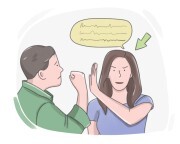
the ultimate and conclusive statement or decision about a subject
последнее слово, окончательное решение
Последнее слово по приговору остаётся за судьёй.
to have a very negative opinion about someone or something and to be unable to say anything positive or complimentary about them
не сказать ничего хорошего, только ругать
Он не говорит ничего хорошего о бывшем начальнике.
![to [put] in a (good|) word for {sb}](https://cdn.langeek.co/photo/40695/thumb/350?type=jpeg "to [put] in a (good|) word for {sb}")
to talk highly of someone as a way of helping them get an advantage, such as succeeding in a job interview
замолвить словечко, порекомендовать кого-то
Можешь замолвить за меня словечко перед менеджером по найму?
![to [say|give] the word {~noun}](https://cdn.langeek.co/photo/43110/thumb/350?type=jpeg "to [say|give] the word {~noun}")
to order someone to do something for one
дать команду, приказывать
Дай команду, и солдаты сразу двинутся.
beyond description, usually in a negative sense
неописуемо
as it was originally spoken or written, without any changes or omissions
слово в слово

someone who avoids talking much and manages to convey their message in the most concise way possible
человек немногословный, скупой на слова
Мой отец немногословный человек, но когда он говорит, все слушают.

temporarily unable to think of what to say or how to express oneself, often due to shock, surprise, or intense emotion
не находить слов, лишиться дара речи
Когда она увидела вечеринку-сюрприз, она не нашла слов.
to take back something one has said previously
взять свои слова обратно, признать свою ошибку
Он сказал, что проект провалится, но когда тот стал успешным, ему пришлось взять свои слова обратно.
to tell other people what is supposed to stay secret
проболтаться, выдать секрет
Кто это проболтался?
a word or phrase that becomes popular or fashionable in a particular field or context, often used to impress or persuade others rather than for its actual meaning or value
модное словечко
Устойчивость — это распространенное модное слово в современном корпоративном мире.
![to [mince] {one's} words](https://cdn.langeek.co/photo/45481/thumb/350?type=jpeg "to [mince] {one's} words")
to choose words carefully so as to avoid offense or give an impression different from the truth
осторожно подбирать слова, смягчать выражения
Менеджер осторожно подбирал слова, объясняя, почему проект провалился.
![to {not} (even|) [know] the meaning of the word](https://cdn.langeek.co/photo/44878/thumb/350?type=jpeg "to {not} (even|) [know] the meaning of the word")
to lack knowledge or understanding of a particular concept or term
понятия не имеет, ничего в этом не понимает
Он говорит о командной работе, но понятия не имеет, что такое сотрудничество.
