
Książka Headway - Zaawansowany - Jednostka 2
Tutaj znajdziesz słownictwo z Unitu 2 w podręczniku Headway Advanced, takie jak "zanotować", "modne słowo", "brak słów", itp.
Przegląd
Fiszki
formy
Pisownia
Test

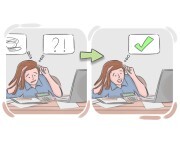
to comprehend something

zrozumieć, przyswoić
Zajęło mu chwilę, by zrozumieć złożone instrukcje.
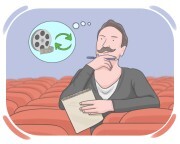
to thoroughly review, examine, or check something
przejrzeć, dokładnie sprawdzić
Nauczyciel poprosił uczniów, aby przejrzeli swoje zadania domowe.
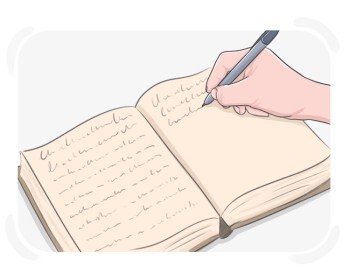
to make a note of something in a hurried and informal style
zrobić szybką notatkę, zanotować
Poprosił uczniów, aby zanotowali kluczowe szczegóły z wykładu.
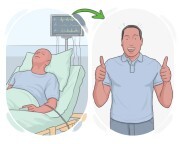
to stay alive or recover after an unpleasant event such as a serious illness
przetrwać, przeżyć
Walczył z poważną chorobą, ale dzięki determinacji i leczeniu medycznemu przeszedł przez to i odzyskał zdrowie.

to suddenly become aware of something that one did not notice before, or that one had forgotten about
uświadomić sobie, przypomnieć sobie
Był pogrążony w myślach, ale wtedy przyszło do niego olśnienie i wiedział, co musi zrobić.
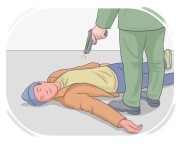
to murder someone
zabić, zlikwidować
Organizacja przestępcza była znana z używania różnych metod, aby pozbyć się tych, którzy sprzeciwiali się ich działalności.
a promise or assurance
słowo, obietnica
Dała słowo, że przybędzie na czas.
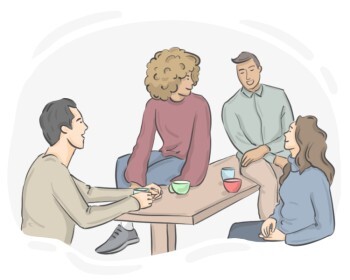
by telling others rather than writing or showing it to them
pocztą pantoflową, z ust do ust
Nie reklamowali wydarzenia; ludzie przyszli dzięki poczcie pantoflowej.
from the very beginning of a particular situation, activity, or process
to finally have a chance to state one's opinions about something after or in the middle of someone else's continuous speech
to manage to state one's opinions regarding something after or in the middle of someone else's prolonged speech
dojść do słowa, wtrącić słowo
Podczas spotkania prezes zdominował rozmowę i nikt nie doszedł do słowa.
used to provide an alternative or clearer way of expressing the same idea
innymi słowy, czyli
Zespół musi pracować wydajniej; innymi słowy, muszą wykonać pracę szybciej.
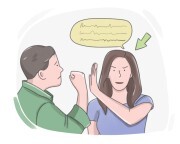
the ultimate and conclusive statement or decision about a subject
ostatnie słowo, ostateczna decyzja
Możemy to omówić, ale ostatnie słowo należy do klienta.
to have a very negative opinion about someone or something and to be unable to say anything positive or complimentary about them
nie powiedzieć nic dobrego, tylko krytykować
Moja ciotka nigdy nie mówi nic dobrego o nowych sąsiadach.
![to [put] in a (good|) word for {sb}](https://cdn.langeek.co/photo/40695/thumb/350?type=jpeg "to [put] in a (good|) word for {sb}")
to talk highly of someone as a way of helping them get an advantage, such as succeeding in a job interview
wstawić się za kimś, polecić kogoś
Nauczyciel wstawił się za nim, co pomogło mu dostać stypendium.
![to [say|give] the word {~noun}](https://cdn.langeek.co/photo/43110/thumb/350?type=jpeg "to [say|give] the word {~noun}")
to order someone to do something for one
wydać rozkaz, nakazać
Oficer wydał rozkaz i wojsko ruszyło naprzód.
beyond description, usually in a negative sense
as it was originally spoken or written, without any changes or omissions

someone who avoids talking much and manages to convey their message in the most concise way possible
człowiek małomówny, oszczędny w słowach
Może jest małomówny, ale jego rady są zawsze jasne.
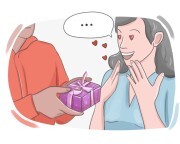
temporarily unable to think of what to say or how to express oneself, often due to shock, surprise, or intense emotion
brak mu słów, zaniemówić
Wiadomość była tak nagła, że wszystkim w pokoju zabrakło słów.
to take back something one has said previously
odwołać swoje słowa, przyznać się do błędu
Krytycy musieli odwołać swoje słowa po tym, jak film zdobył trzy nagrody.
to tell other people what is supposed to stay secret
puścić farbę, wyjawić sekret
Ani słowa o tym.
a word or phrase that becomes popular or fashionable in a particular field or context, often used to impress or persuade others rather than for its actual meaning or value
modne słowo, termin modny
Przemówienie CEO było pełne modnych słów, ale działania firmy nie były z nimi zgodne.
![to [mince] {one's} words](https://cdn.langeek.co/photo/45481/thumb/350?type=jpeg "to [mince] {one's} words")
to choose words carefully so as to avoid offense or give an impression different from the truth
ostrożnie dobierać słowa, owijać w bawełnę
Lekarz nie owijał w bawełnę, gdy wyjaśniał ryzyko.
![to {not} (even|) [know] the meaning of the word](https://cdn.langeek.co/photo/44878/thumb/350?type=jpeg "to {not} (even|) [know] the meaning of the word")
to lack knowledge or understanding of a particular concept or term
nie ma o tym pojęcia, nic z tego nie rozumie
Obiecywał lojalność, ale najwyraźniej nie ma pojęcia, czym ona jest.
