pattern

Книга Solutions - Средне-выше среднего - Раздел 3 - 3C

Здесь вы найдете словарь из Раздела 3 - 3C в учебнике Solutions Upper-Intermediate, такие как "представлять", "опускать", "предвидеть" и т.д.

Обзор

Флэш-карточки

формы

Правописание

Тест

Начать учиться
Solutions - Upper-Intermediate
good
good
[прилагательное]

having a quality that is satisfying

хороший

хороший

Ex: She has a good memory and can remember details easily. 

У нее хорошая память, и она может легко запоминать детали.

Закрыть
Войти
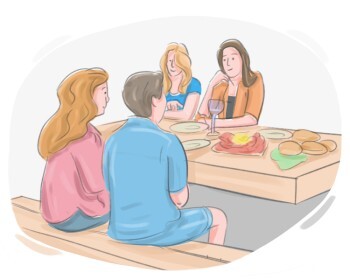
to believe
to believe
[глагол]

to accept something to be true even without proof

верить
верить

Ex: He believes everything he reads online. 
Закрыть
Войти
to meet
to meet
[глагол]

to come together as previously scheduled for social interaction or a prearranged purpose

встречать

встречать

Ex: Let's meet after work. 
Закрыть
Войти
pleasure
pleasure
[существительное]

a feeling of great enjoyment and happiness

удовольствие

удовольствие

Ex: She felt immense pleasure upon hearing the good news about her promotion. 

Она почувствовала огромное удовольствие, услышав хорошие новости о своем повышении.

Закрыть
Войти
to allow
to allow
[глагол]

to let someone or something do a particular thing

разрешать, позволять

разрешать, позволять

Ex: My parents allow me to stay up late on weekends. 
Закрыть
Войти
to introduce
to introduce
[глагол]

to tell someone our name so they can know us, or to tell them someone else's name so they can know each other, normally happening in the first meeting

знакомить

знакомить

Ex: She introduced herself to the new neighbors. 
Закрыть
Войти
colleague
colleague
[существительное]

someone with whom one works

коллега

коллега

Ex: My colleague and I collaborated on a project that received high praise from our manager for its innovative approach. 

Мой коллега и я сотрудничали над проектом, который получил высокую оценку нашего менеджера за инновационный подход.

Закрыть
Войти
to fetch
to fetch
[глагол]

to go and bring a person or thing, typically at someone's request or for a specific purpose

принести

принести

Ex: Can you please fetch my coat from the car?  It's cold outside. 

Не мог бы ты принести мое пальто из машины? На улице холодно.

Закрыть
Войти
kind
kind
[существительное]

a group of people or things that have similar characteristics or share particular qualities

вид, тип

вид, тип

Ex: This kind of music is very popular. 
Закрыть
Войти
to offer
to offer
[глагол]

to present or propose something to someone

предлагать, предложить

предлагать, предложить

Ex: He offered me a seat on the bus. 
Закрыть
Войти
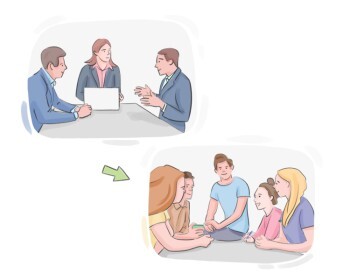
formal
formal
[прилагательное]

used to describe a way of speaking or writing that follows traditional rules and is considered appropriate for serious or professional situations

формальный

формальный

Ex: She gave a formal speech at the ceremony, following all the traditional protocols. 

Она произнесла официальную речь на церемонии, следуя всем традиционным протоколам.
Закрыть
Войти
informal
informal
[прилагательное]

suitable for friendly, relaxed, casual, or unofficial occasions and situations

неофициальный

неофициальный

Ex: The club had an informal dress code, so jeans and t-shirts were acceptable. 

В клубе был неформальный дресс-код, поэтому джинсы и футболки были приемлемы.

Закрыть
Войти
language
language
[существительное]

the system of communication by spoken or written words, that the people of a particular country or region use

язык
язык

Ex: English is widely used as an international language. 
Закрыть
Войти
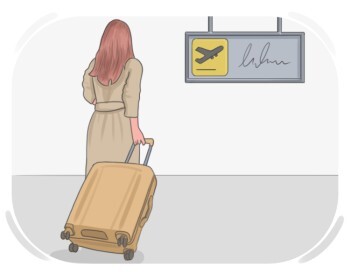
to go away
to go away
[глагол]

to move from a person or place

уезжать

уезжать

Ex: Children often cry when their parents have to go away for work. 

Дети часто плачут, когда их родители должны уходить на работу.
Закрыть
Войти
to depart
to depart
[глагол]

to leave a location, particularly to go on a trip or journey

отходить, уходить

отходить, уходить

Ex: The train is scheduled to depart from the station at 3:00 PM. 

Поезд должен отправиться со станции в 15:00.

Закрыть
Войти
to look at
to look at
[глагол]

to focus one's attention on something or someone in order to observe or examine them

смотреть на

смотреть на

Ex: They need to stop looking at each other. 

Им нужно перестать смотреть друг на друга.

Закрыть
Войти
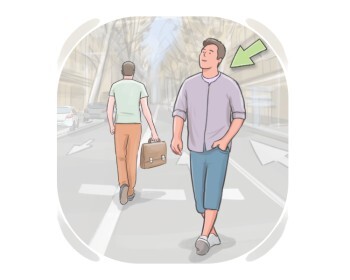
to view
to view
[глагол]

to carefully look at something

осматривать
осматривать

Ex: Visitors can view the paintings in the main gallery. 
Закрыть
Войти
to come up
to come up
[глагол]

to move toward someone, usually in order to talk to them

подходить

подходить

Ex: She saw her friend across the room and decided to come up to say hello. 

Она увидела своего друга через комнату и решила подойти, чтобы поздороваться.

Закрыть
Войти
to arise
to arise
[глагол]

to begin to exist or become noticeable

возникать

возникать

Ex: It was only when the sun set that the need for additional lighting arose in the outdoor event. 

Только когда зашло солнце, возникла необходимость в дополнительном освещении на мероприятии на открытом воздухе.

Закрыть
Войти
to inform
to inform
[глагол]

to give information about someone or something, especially in an official manner

информировать

информировать

Ex: The teacher informed the students about the upcoming exam schedule and its format. 

Учитель проинформировал учеников о предстоящем расписании экзаменов и его формате.

Закрыть
Войти
to submit
to submit
[глагол]

to agree or consent to undergo a particular process, approach, or way of handling

подчиняться, соглашаться

подчиняться, соглашаться

Ex: She submitted to the strict training regimen, believing it would help her improve. 

Она подчинилась строгому режиму тренировок, веря, что это поможет ей улучшиться.

Закрыть
Войти
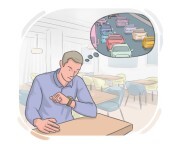
to represent
to represent
[глагол]

to be an image, sign, symbol, etc. of something

представлять, символизировать
представлять, символизировать

Ex: The dove often represents peace. 
Закрыть
Войти
to anticipate
to anticipate
[глагол]

to expect or predict that something will happen

предвосхищать

предвосхищать

Ex: He anticipated a positive response to his proposal. 

Он ожидал положительного ответа на свое предложение.

Закрыть
Войти
to omit
to omit
[глагол]

to leave out or exclude something or someone, usually intentionally, from a list, text, or action

опускать

опускать

Ex: The speaker decided to omit certain details from the presentation to keep it concise. 

Докладчик решил опустить некоторые детали презентации, чтобы сделать её краткой.

Закрыть
Войти
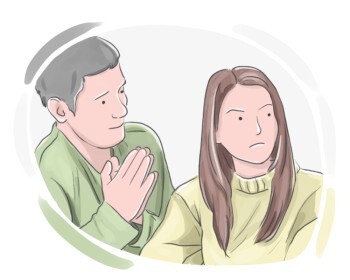
to postpone
to postpone
[глагол]

to arrange or put off an activity or an event for a later time than its original schedule

откладывать

откладывать

Ex: They postponed the meeting until next week due to scheduling conflicts. 

Они перенесли встречу на следующую неделю из-за конфликтов в расписании.
Закрыть
Войти
to apologize
to apologize
[глагол]

to tell a person that one is sorry for having done something wrong

извиняться, просить прощения

извиняться, просить прощения

Ex: When realizing the mistake, he promptly apologized to his friend for the misunderstanding. 

Осознав ошибку, он немедленно извинился перед своим другом за недоразумение.

Закрыть
Войти
to [let]  {sb} know

to give a person information about something

Рассказать или сообщить кому-то

Рассказать или сообщить кому-то

Ex: They have let us know their decision already. 
Закрыть
Войти
to put off
to put off
[глагол]

to cause a person to dislike someone or something

отталкивать

отталкивать

Ex: His arrogance really put me off. 

Его высокомерие действительно меня отпугнуло.

Закрыть
Войти
sorry
sorry
[прилагательное]

feeling ashamed or apologetic about something that one has or has not done

жалкий

жалкий

Ex: He felt sorry for forgetting his friend's birthday and apologized immediately. 

Он почувствовал себя виноватым за то, что забыл день рождения своего друга, и сразу же извинился.

Закрыть
Войти
LanGeek
Скачать приложение LanGeek