pattern

Il libro Solutions - Intermedio Superiore - Unità 3 - 3C

Qui troverai il vocabolario dell'Unità 3 - 3C nel libro di corso Solutions Upper-Intermediate, come "inviare", "omettere", "anticipare", ecc.

Revisione

Flashcard

forme

Ortografia

Quiz

Inizia a imparare
Solutions - Upper-Intermediate
good
good
[aggettivo]

having a quality that is satisfying

buona

buona

Ex: She has a good memory and can remember details easily. 
Chiudi
Accedi
to believe
to believe
[Verbo]

to accept something to be true even without proof

pensare
pensare

Ex: I believed her excuses for missing the meeting. 
Chiudi
Accedi
to meet
to meet
[Verbo]

to come together as previously scheduled for social interaction or a prearranged purpose

incontrare

incontrare

Ex: We will meet at the coffee shop for a chat tomorrow. 
Chiudi
Accedi
pleasure
pleasure
[sostantivo]

a feeling of great enjoyment and happiness

piacere

piacere

Ex: She felt immense pleasure upon hearing the good news about her promotion. 
Chiudi
Accedi
to allow
to allow
[Verbo]

to let someone or something do a particular thing

permettere

permettere

Ex: She allowed her children to play in the park. 
Chiudi
Accedi
to introduce

to tell someone our name so they can know us, or to tell them someone else's name so they can know each other, normally happening in the first meeting

presentare

presentare

Ex: Allow me to introduce my colleague, Mr. Johnson. 
Chiudi
Accedi
colleague
colleague
[sostantivo]

someone with whom one works

collega

collega

Ex: My colleague and I collaborated on a project that received high praise from our manager for its innovative approach. 
Chiudi
Accedi
to fetch
to fetch
[Verbo]

to go and bring a person or thing, typically at someone's request or for a specific purpose

andare a prendere

andare a prendere

Ex: Can you please fetch my coat from the car? It's cold outside. 
Chiudi
Accedi
kind
kind
[sostantivo]

a group of people or things that have similar characteristics or share particular qualities

tipo

tipo

Ex: At the museum, you can explore artifacts and relics from different historical kinds. 
Chiudi
Accedi
to offer
to offer
[Verbo]

to present or propose something to someone

offrire, offrirsi

offrire, offrirsi

Ex: She kindly offered her assistance to anyone in need. 
Chiudi
Accedi
formal
formal
[aggettivo]

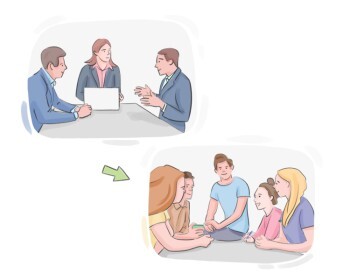
used to describe a way of speaking or writing that follows traditional rules and is considered appropriate for serious or professional situations

formale
formale

Ex: The letter was written in a formal tone, using appropriate salutations and sign-offs. 
Chiudi
Accedi
informal
informal
[aggettivo]

suitable for friendly, relaxed, casual, or unofficial occasions and situations

informale

informale

Ex: The club had an informal dress code, so jeans and t-shirts were acceptable. 
Chiudi
Accedi
language
language
[sostantivo]

the system of communication by spoken or written words, that the people of a particular country or region use

lingua
lingua

Ex: He wants to become bilingual and speak multiple languages fluently. 
Chiudi
Accedi
to go away
to go away
[Verbo]

to move from a person or place

andare via

andare via

Ex: Children often cry when their parents have to go away for work. 
Chiudi
Accedi
to depart
to depart
[Verbo]

to leave a location, particularly to go on a trip or journey

partire

partire

Ex: The train is scheduled to depart from the station at 3:00 PM. 
Chiudi
Accedi
to look at
to look at
[Verbo]

to focus one's attention on something or someone in order to observe or examine them

guardare

guardare

Ex: They need to stop looking at each other. 
Chiudi
Accedi
to view
to view
[Verbo]

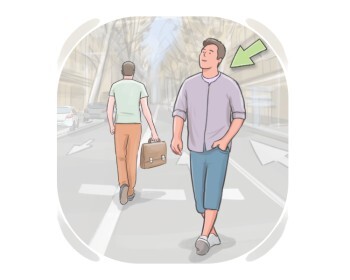
to carefully look at something

vedere
vedere

Ex: I often view the sunrise from my bedroom window. 
Chiudi
Accedi
to come up
to come up
[Verbo]

to move toward someone, usually in order to talk to them

avvicinarsi

avvicinarsi

Ex: She saw her friend across the room and decided to come up to say hello. 
Chiudi
Accedi
to arise
to arise
[Verbo]

to begin to exist or become noticeable

sorgere

sorgere

Ex: Unexpected challenges can arise during the course of a project, requiring swift problem-solving. 
Chiudi
Accedi
to inform
to inform
[Verbo]

to give information about someone or something, especially in an official manner

informare

informare

Ex: The teacher informed the students about the upcoming exam schedule and its format. 
Chiudi
Accedi
to submit
to submit
[Verbo]

to agree or consent to undergo a particular process, approach, or way of handling

sottomettersi, accettare

sottomettersi, accettare

Ex: She submitted to the strict training regimen, believing it would help her improve. 
Chiudi
Accedi
to represent

to be an image, sign, symbol, etc. of something

rappresentare, simbolizzare
rappresentare, simbolizzare

Ex: The national flag represents the unity of the country. 
Chiudi
Accedi
to anticipate

to expect or predict that something will happen

anticipare

anticipare

Ex: He anticipated a positive response to his proposal. 
Chiudi
Accedi
to omit
to omit
[Verbo]

to leave out or exclude something or someone, usually intentionally, from a list, text, or action

omettere

omettere

Ex: The speaker decided to omit certain details from the presentation to keep it concise. 
Chiudi
Accedi
to postpone

to arrange or put off an activity or an event for a later time than its original schedule

rimandare

rimandare

Ex: They postponed the meeting until next week due to scheduling conflicts. 
Chiudi
Accedi
to apologize

to tell a person that one is sorry for having done something wrong

scusarsi, chiedere scusa

scusarsi, chiedere scusa

Ex: When realizing the mistake, he promptly apologized to his friend for the misunderstanding. 
Chiudi
Accedi
to [let]  {sb} know

to give a person information about something

Raccontare o informare qualcuno

Raccontare o informare qualcuno

Ex: By next week, she will have let everyone know about the new policies. 
Chiudi
Accedi
to put off
to put off
[Verbo]

to cause a person to dislike someone or something

disgustare

disgustare

Ex: His arrogance really put me off. 
Chiudi
Accedi
sorry
sorry
[aggettivo]

feeling ashamed or apologetic about something that one has or has not done

spiacente

spiacente

Ex: He felt sorry for forgetting his friend's birthday and apologized immediately. 
Chiudi
Accedi
LanGeek
Scarica l'app LanGeek