pattern

Boek Solutions - Upper-intermediate - Eenheid 3 - 3C

Hier vind je de woordenschat van Unit 3 - 3C in het Solutions Upper-Intermediate cursusboek, zoals "indienen", "weglaten", "anticiperen", etc.

Herzien

Flashcards

vormen

Spelling

Quiz
Begin met leren
Solutions - Upper-Intermediate
good
good
[bijvoeglijk naamwoord]

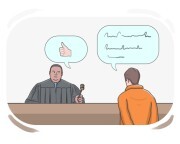
having a quality that is satisfying

goed, uitstekend
goed, uitstekend

Ex: The movie was really good; it made me laugh and cry. 
Sluiten
Inloggen
to believe
to believe
[werkwoord]

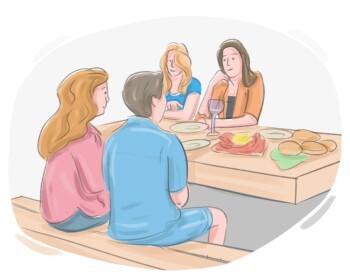
to accept something to be true even without proof

geloven, vertrouwen
geloven, vertrouwen

Ex: You shouldn't believe everything you see on social media. 
Sluiten
Inloggen
to meet
to meet
[werkwoord]

to come together as previously scheduled for social interaction or a prearranged purpose

ontmoeten, samenkomen

ontmoeten, samenkomen

Ex: The two friends decided to meet at the movie theater before the show. 
Sluiten
Inloggen
pleasure
pleasure
[zelfstandig naamwoord]

a feeling of great enjoyment and happiness

plezier, vreugde

plezier, vreugde

Ex: The book brought him pleasure on many quiet afternoons. 
Sluiten
Inloggen
to allow
to allow
[werkwoord]

to let someone or something do a particular thing

toestaan, laten

toestaan, laten

Ex: The rules do not allow smoking in this area. 
Sluiten
Inloggen
to introduce
to introduce
[werkwoord]

to tell someone our name so they can know us, or to tell them someone else's name so they can know each other, normally happening in the first meeting

voorstellen

voorstellen

Ex: Let me introduce you to our new neighbor, Mr. Anderson. 
Sluiten
Inloggen
colleague
colleague
[zelfstandig naamwoord]

someone with whom one works

collega, werkgenoot
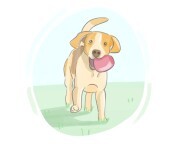
collega, werkgenoot

Ex: I often seek advice from my colleague, who has years of experience in the industry and is always willing to help. 
Sluiten
Inloggen
to fetch
to fetch
[werkwoord]

to go to get someone or something and bring them back

gaan halen,  ophalen
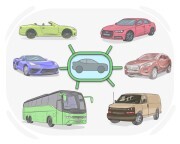
gaan halen, ophalen

Ex: Daniel fetched the children from school before heading home. 
Sluiten
Inloggen
kind
kind
[zelfstandig naamwoord]

a group of people or things that have similar characteristics or share particular qualities

soort, categorie

soort, categorie

Ex: The store sells products of various kinds, from electronics to clothing. 
Sluiten
Inloggen
to offer
to offer
[werkwoord]

to present or propose something to someone

aanbieden, voorstellen

aanbieden, voorstellen

Ex: He generously offered his time and expertise to mentor aspiring entrepreneurs. 
Sluiten
Inloggen
formal
formal
[bijvoeglijk naamwoord]

used to describe a way of speaking or writing that follows traditional rules and is considered appropriate for serious or professional situations

formeel, officieel
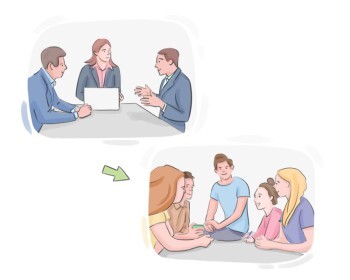
formeel, officieel

Ex: His formal writing style made the academic paper easy to follow and understand. 
Sluiten
Inloggen
informal
informal
[bijvoeglijk naamwoord]

relaxed, casual, and suitable for ordinary or friendly situations rather than formal occasions

informeel
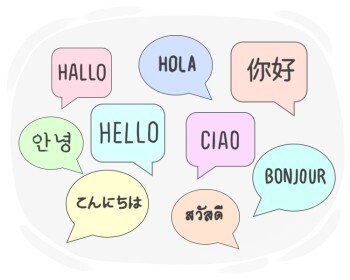
informeel

Ex: Daniel wore informal clothes to the weekend gathering. 
Sluiten
Inloggen
language
language
[zelfstandig naamwoord]

the system of communication by spoken or written words, that the people of a particular country or region use

taal
taal

Ex: They use online resources to study grammar and vocabulary in the language. 
Sluiten
Inloggen
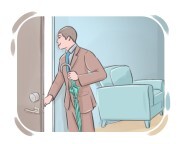
to go away
to go away
[werkwoord]

to move from a person or place

weggaan van iemand of een plaats, een plaats verlaten en weggaan

weggaan van iemand of een plaats, een plaats verlaten en weggaan

Ex: She told the persistent salesperson to go away because she wasn't interested. 

Ze zei tegen de aanhoudende verkoper om weg te gaan omdat ze niet geïnteresseerd was.
Sluiten
Inloggen
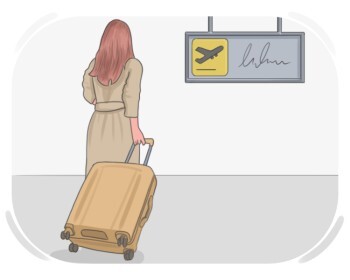
to depart
to depart
[werkwoord]

to leave a place, especially to begin a journey

vertrekken,  weggaan
vertrekken, weggaan

Ex: The train had already departed when Michael reached the station. 
Sluiten
Inloggen
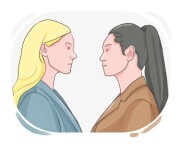
to look at
to look at
[werkwoord]

to focus one's attention on something or someone in order to observe or examine them

kijken naar, observeren

kijken naar, observeren

Ex: The detective looked at the crime scene for clues. 

De detective keek naar de plaats delict voor aanwijzingen.

Sluiten
Inloggen
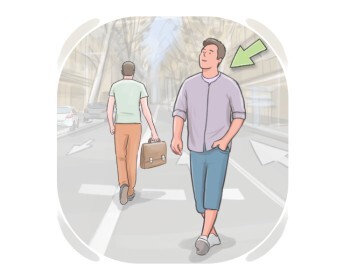
to view
to view
[werkwoord]

to carefully look at something

bekijken, observeren
bekijken, observeren

Ex: I will view the final draft of the report before submitting it. 
Sluiten
Inloggen
to come up
to come up
[werkwoord]

to move toward someone, usually in order to talk to them

naar iemand toe lopen, iemand benaderen

naar iemand toe lopen, iemand benaderen

Ex: During the meeting, my coworker came up to me to discuss a project we were working on together. 

Tijdens de vergadering kwam mijn collega naar me toe om een project te bespreken waar we samen aan werkten.

Sluiten
Inloggen
to arise
to arise
[werkwoord]

to begin to exist or become noticeable

ontstaan, verschijnen

ontstaan, verschijnen

Ex: Tensions began to arise among team members due to differing opinions on the project's direction. 
Sluiten
Inloggen
to inform
to inform
[werkwoord]

to give information about someone or something, especially in an official manner

informeren, inlichten

informeren, inlichten

Ex: The doctor took the time to inform the patient of the potential side effects of the prescribed medication. 
Sluiten
Inloggen
to submit
to submit
[werkwoord]

to agree or consent to undergo a particular process, approach, or way of handling

zich onderwerpen, accepteren

zich onderwerpen, accepteren

Ex: The team decided to submit to the manager's strategy, trusting in his leadership. 
Sluiten
Inloggen
to represent
to represent
[werkwoord]

to be an image, sign, symbol, etc. of something

vertegenwoordigen, symboliseren
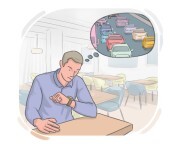
vertegenwoordigen, symboliseren

Ex: Right now, the artwork is actively representing the artist's emotions. 
Sluiten
Inloggen
to anticipate
to anticipate
[werkwoord]

to expect or foresee that something is likely to happen

verwachten,  voorzien
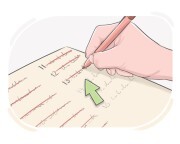
verwachten, voorzien

Ex: The company anticipates that sales will increase next year. 
Sluiten
Inloggen
to omit
to omit
[werkwoord]

to leave out or exclude something or someone, usually intentionally, from a list, text, or action

weglaten, uitsluiten

weglaten, uitsluiten

Ex: Please do not omit any important information when filling out the form. 
Sluiten
Inloggen
to postpone
to postpone
[werkwoord]

to arrange or put off an activity or an event for a later time than its original schedule

uitstellen,  verdagen
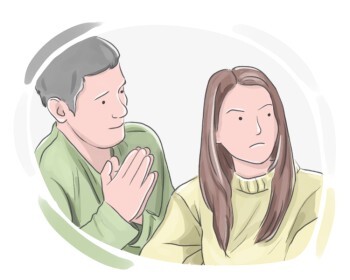
uitstellen, verdagen

Ex: He postponed the project deadline to allow more time for preparation. 
Sluiten
Inloggen
to apologize
to apologize
[werkwoord]

to tell a person that one is sorry for having done something wrong

zich verontschuldigen, excuses aanbieden

zich verontschuldigen, excuses aanbieden

Ex: In a professional setting, it is common to apologize for any errors and take responsibility. 

In een professionele setting is het gebruikelijk om verontschuldigingen aan te bieden voor eventuele fouten en verantwoordelijkheid te nemen.

Sluiten
Inloggen
to [let]  {sb} know

to give a person information about something

Ex: He let me know that he couldn't make it to the meeting. 
Sluiten
Inloggen
to put off
to put off
[werkwoord]

to cause a person to dislike someone or something

afstoten, ontmoedigen

afstoten, ontmoedigen

Ex: She was put off by his constant interruptions during the conversation. 

Ze werd afgeschrikt door zijn constante onderbrekingen tijdens het gesprek.

Sluiten
Inloggen
sorry
sorry
[bijvoeglijk naamwoord]

feeling ashamed or apologetic about something that one has or has not done

verdrietig, berouwvol

verdrietig, berouwvol

Ex: The teacher seemed sorry when she realized the assignment was unclear. 
Sluiten
Inloggen
LanGeek
LanGeek app downloaden