
Le livre Solutions - Intermédiaire Supérieur - Unité 3 - 3C
Ici, vous trouverez le vocabulaire de l'Unité 3 - 3C dans le manuel Solutions Upper-Intermediate, comme "soumettre", "omettre", "anticiper", etc.
Réviser
Flashcards
formes
Orthographe
Quiz

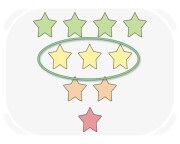
having a quality that is satisfying

bon
Le gâteau avait un goût si bon que tout le monde en a voulu une deuxième part.
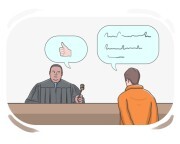
to accept something to be true even without proof
croire
Pendant longtemps, j'ai cru ses récits d'aventure exagérés.
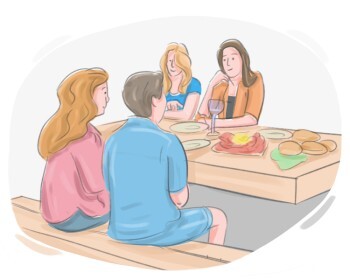
to come together as previously scheduled for social interaction or a prearranged purpose
retrouver
Elle a suggéré de se rencontrer à la bibliothèque pour étudier ensemble.

a feeling of great enjoyment and happiness
plaisir
Les enfants ont crié de plaisir alors qu'ils jouaient dans le parc.

to let someone or something do a particular thing
permettre
La nouvelle politique permet aux employés de travailler à distance.

to tell someone our name so they can know us, or to tell them someone else's name so they can know each other, normally happening in the first meeting
présenter
Puis-je vous présenter à mes camarades de classe ?

someone with whom one works
collègue
Il est important de maintenir une bonne relation avec vos collègues, car le travail d'équipe conduit souvent à de meilleurs résultats sur le lieu de travail.
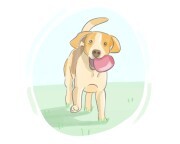
to go and bring a person or thing, typically at someone's request or for a specific purpose
aller chercher
Le chien est dressé à rapporter le journal du pas de la porte chaque matin.

a group of people or things that have similar characteristics or share particular qualities
sorte
Le fermier a cultivé des cultures de genres différents, y compris le blé, le maïs et les pommes de terre.

to present or propose something to someone
proposer, offrir

used to describe a way of speaking or writing that follows traditional rules and is considered appropriate for serious or professional situations
formel, officiel
Elle a prononcé un discours formel lors de la cérémonie, en suivant tous les protocoles traditionnels.
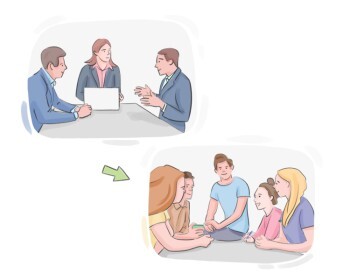
suitable for friendly, relaxed, casual, or unofficial occasions and situations
informel, familier, décontracté
Le langage dans les messages texte est généralement assez informel.
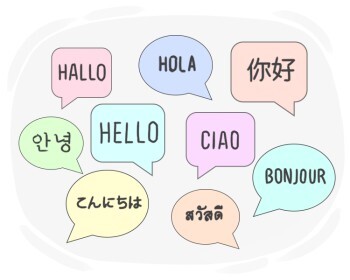
the system of communication by spoken or written words, that the people of a particular country or region use
langue
Apprendre une nouvelle langue ouvre des portes à différentes cultures et opportunités.
to move from a person or place
partir, s’en aller
Le chat errant ne voulait pas s'en aller malgré nos efforts pour le chasser.
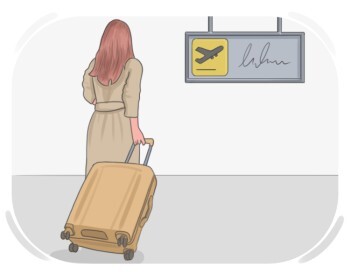
to leave a location, particularly to go on a trip or journey
partir
Après avoir dit au revoir, la famille était prête à partir en vacances en Europe.

to focus one's attention on something or someone in order to observe or examine them
regarder, observer
Le scientifique a soigneusement regardé le spécimen sous le microscope.
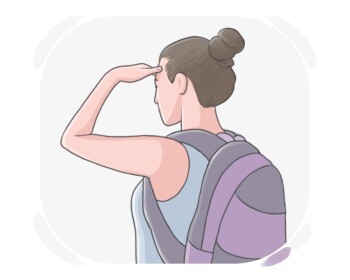
to carefully look at something
inspecter
Elle contemple les détails du tableau avec admiration.
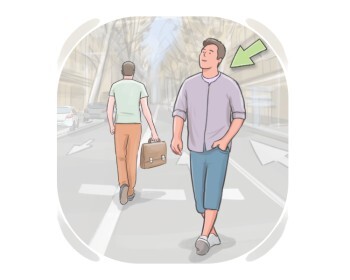
to move toward someone, usually in order to talk to them
s'approcher
Alors que je parcourais le magasin, un vendeur s'est approché et m'a proposé de m'aider à trouver ce que je cherchais.

to begin to exist or become noticeable
survenir, apparaître
Ce n'est que lorsque le soleil s'est couché que le besoin d'un éclairage supplémentaire est apparu lors de l'événement en plein air.

to give information about someone or something, especially in an official manner
informer
Le présentateur de nouvelles informera le public des derniers développements dans l'enquête en cours.
to agree or consent to undergo a particular process, approach, or way of handling
soumettre
Les travailleurs se sont soumis au nouvel horaire de travail, malgré son inconvénient.

to be an image, sign, symbol, etc. of something
représenter
Ses actions représentent constamment ses valeurs.
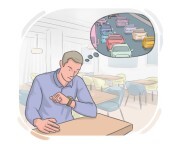
to expect or predict that something will happen
anticiper, prévoir
Elle anticipa que la circulation serait dense pendant l'heure de pointe.
to leave out or exclude something or someone, usually intentionally, from a list, text, or action
omettre, exclure
L'auteur a choisi d'omettre une intrigue secondaire de la version finale du roman.

to arrange or put off an activity or an event for a later time than its original schedule
reporter
Elle a reporté ses vacances à cause d'engagements professionnels imprévus.
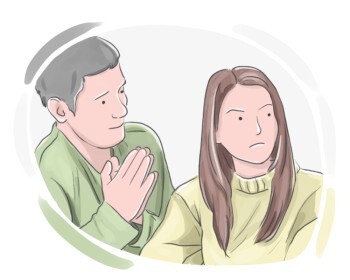
to tell a person that one is sorry for having done something wrong
présenter ses excuses, faire ses excuses
Il est important de s'excuser si vous blessez accidentellement les sentiments de quelqu'un, même involontairement.
to give a person information about something
to cause a person to dislike someone or something
décourager
La violence excessive du film a découragé de nombreux spectateurs.
feeling ashamed or apologetic about something that one has or has not done
désolé
Il a écrit une lettre pour dire à quel point il était désolé de les avoir déçus.
