
Książka Solutions - Średnio zaawansowany wyższy - Jednostka 3 - 3C
Tutaj znajdziesz słownictwo z Unit 3 - 3C w podręczniku Solutions Upper-Intermediate, takie jak "złożyć", "pominąć", "przewidzieć" itp.
Przegląd
Fiszki
formy
Pisownia
Test
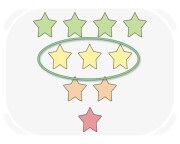
having a quality that is satisfying

dobry, doskonały
Pogoda była dobra, więc zdecydowali się na piknik w parku.
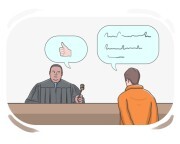
to accept something to be true even without proof
wierzyć, ufać
Uwierzyłem jej wymówkom za opuszczenie spotkania.
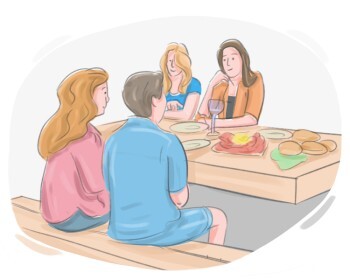
to come together as previously scheduled for social interaction or a prearranged purpose
spotkać się, zebrać się
Spotkamy się w kawiarni na pogawędkę jutro.

a feeling of great enjoyment and happiness
przyjemność, radość
Jej oczy błyszczały z przyjemności, gdy zobaczyła imprezę-niespodziankę.

to let someone or something do a particular thing
pozwalać, zezwalać
Ona pozwoliła swoim dzieciom bawić się w parku.

to tell someone our name so they can know us, or to tell them someone else's name so they can know each other, normally happening in the first meeting
przedstawić
Pozwólcie mi przedstawić mojego kolegę, pana Johnsona.

someone with whom one works
kolega, współpracownik
Mój kolega podzielił się cennymi spostrzeżeniami podczas spotkania, co pomogło nam udoskonalić naszą strategię na nadchodzący kwartał.

to go and bring a person or thing, typically at someone's request or for a specific purpose
przynieść, przytaszczyć
Poprosiła swojego asystenta, aby przyniósł dokumenty z szafy aktowej.

a group of people or things that have similar characteristics or share particular qualities
rodzaj, kategoria
W muzeum możesz eksplorować artefakty i relikwie z różnych historycznych rodzajów.

to present or propose something to someone
oferować, proponować

used to describe a way of speaking or writing that follows traditional rules and is considered appropriate for serious or professional situations
formalny, oficjalny
Jego formalny styl pisania sprawił, że artykuł naukowy był łatwy do śledzenia i zrozumienia.
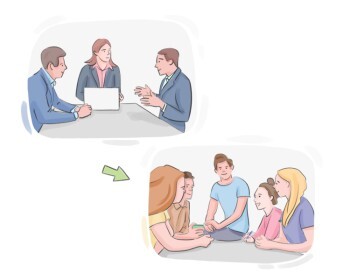
suitable for friendly, relaxed, casual, or unofficial occasions and situations
nieformalny, swobodny
Impreza była nieformalnym spotkaniem przyjaciół.
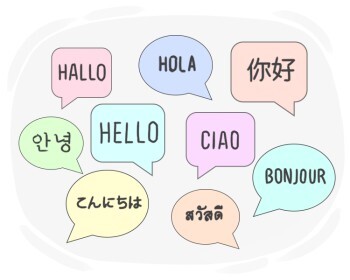
the system of communication by spoken or written words, that the people of a particular country or region use
język
Chce zostać osobą dwujęzyczną i płynnie mówić wieloma językami.
to move from a person or place
odejść, oddalić się
Pies zaczął szczekać, sygnalizując, że chce, aby obcy odszedł.
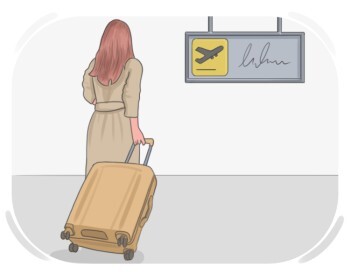
to leave a location, particularly to go on a trip or journey
odjeżdżać
Po miesiącach planowania nadszedł wreszcie dzień, kiedy mogli wyruszyć w podróż przez kraj.

to focus one's attention on something or someone in order to observe or examine them
patrzeć, obserwować
Lekarz spojrzał na prześwietlenie pacjenta, aby ocenić uraz.
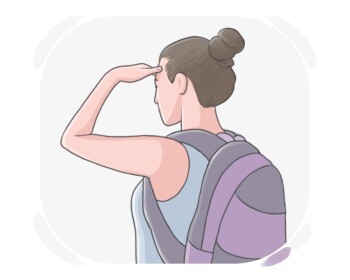
to carefully look at something
oglądać, obserwować
Często oglądam wschód słońca z okna mojej sypialni.
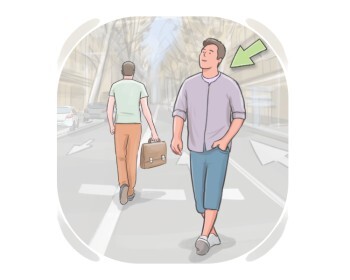
to move toward someone, usually in order to talk to them
podejść, zbliżyć się
Zauważyłem moją sąsiadkę w parku, więc podszedłem do niej, aby porozmawiać o nadchodzącym wydarzeniu społecznościowym.

to begin to exist or become noticeable
powstawać, pojawiać się
Zaczęły pojawiać się napięcia wśród członków zespołu z powodu różnic zdań co do kierunku projektu.
to give information about someone or something, especially in an official manner
informować, powiadamiać
Znak w parku informuje odwiedzających o zasadach i przepisach dotyczących utrzymania czystego środowiska.
to agree or consent to undergo a particular process, approach, or way of handling
poddawać się, akceptować
Uczniowie poddali się zasadom konkursu, aby wziąć udział.

to be an image, sign, symbol, etc. of something
reprezentować, symbolizować
Flaga narodowa reprezentuje jedność kraju.
to expect or predict that something will happen
przewidywać, oczekiwać
Doświadczony szef kuchni mógł przewidzieć potrzeby kuchni, zanim się pojawiły.
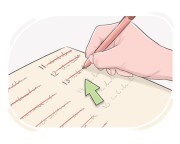
to leave out or exclude something or someone, usually intentionally, from a list, text, or action
pominąć, wykluczyć
Artykuł prasowy celowo pominął nazwiska osób zaangażowanych w delikatną sprawę.

to arrange or put off an activity or an event for a later time than its original schedule
przełożyć, odroczyć
Przekładamy naszą podróż na przyszły miesiąc.
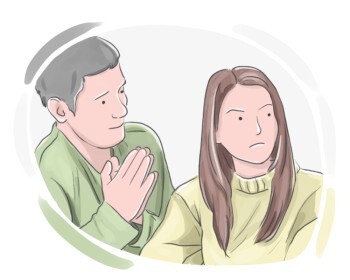
to tell a person that one is sorry for having done something wrong
przepraszać, prosić o wybaczenie
W zeszłym tygodniu szybko przeprosił za nieporozumienie.
to give a person information about something
to cause a person to dislike someone or something
zniechęcać, odstręczać
Początkowo byli podekscytowani podróżą, ale złe recenzje ich zniechęciły.
feeling ashamed or apologetic about something that one has or has not done
przepraszający, żałujący
Jest głęboko przepraszający za raniące słowa, które powiedział podczas kłótni.
