pattern

Cambridge IELTS 17 - Академический - Тест 2 - Чтение - Отрывок 1

Изучайте лексику из Cambridge IELTS 17 Academic, Test 2 Reading Passage 1, и повторяйте полезные слова и выражения из этого текста для чтения.

Обзор

Флэш-карточки

формы

Правописание

Тест
Начать учиться
Cambridge IELTS 17 - Academic
scroll
scroll
[существительное]

a roll of parchment, paper, or other material containing writing or images, often used for historical or religious texts

свиток, пергамент

свиток, пергамент

Закрыть
Войти
to tend
to tend
[глагол]

to care for the needs of someone or something with attention and responsibility

ухаживать, заботиться

ухаживать, заботиться

Ex: The gardener tends to the flowers, making sure they get enough water. 
Закрыть
Войти
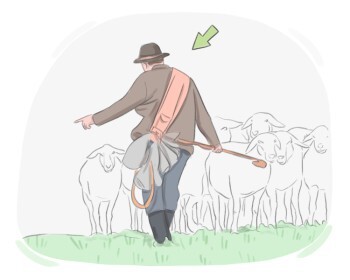
settlement
settlement
[существительное]

an area where a group of families or people live together, often in a newly established community

поселение, колония
поселение, колония

Ex: The new settlement was built near a reliable water source. 
Закрыть
Войти
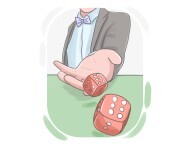
shepherd
shepherd
[существительное]

a person whose job is to tend, guard, and move sheep

пастух, чабан
пастух, чабан

Ex: The shepherd led the sheep back to their pen before sunset. 
Закрыть
Войти
to toss
to toss
[глагол]

to throw something lightly, quickly, or casually

бросать

бросать

Ex: Emma tossed the keys onto the kitchen table. 
Закрыть
Войти
shattering
shattering
[прилагательное]

extremely loud and harsh

оглушительный,  грохочущий

оглушительный, грохочущий

Ex: A shattering crash of thunder woke the entire household. 
Закрыть
Войти
companion
companion
[существительное]

a person or animal that spends time with someone and provides company

спутник, спутница

спутник, спутница

Ex: Emma has been my close companion for many years. 
Закрыть
Войти
to stumble on
to stumble on
[глагол]

to find something or someone unexpectedly

случайно наткнуться на кого-то или что-то, неожиданно найти что-то не разыскивая

случайно наткнуться на кого-то или что-то, неожиданно найти что-то не разыскивая

Ex: While hiking in the woods, we stumbled on an old abandoned cabin. 

Во время прогулки по лесу мы наткнулись на старый заброшенный домик.

Закрыть
Войти
to contain
to contain
[глагол]

to have or hold something within or include something as a part of a larger entity or space

содержать

содержать

Ex: The box contains various items like books and documents. 
Закрыть
Войти
antiquity
antiquity
[существительное]

an object or artifact from an ancient period, often of historical or cultural value

древность, антиквариат

древность, антиквариат

Ex: The museum displayed ancient antiquities, including Greek pottery. 

В музее были выставлены древние древности, включая греческую керамику.
Закрыть
Войти
word
word
[существительное]

a piece of information or news

новость, информация

новость, информация

Ex: We received word that the road had reopened. 
Закрыть
Войти
find
find
[существительное]

the act or result of discovering something, especially something valuable, rare, or previously unknown

находка, открытие
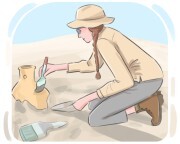
находка, открытие

Ex: The painting was an unexpected find at a local market. 
Закрыть
Войти
archeologist
archeologist
[существительное]

a person whose job is to study ancient societies using facts, objects, buildings, etc. remaining in excavation sites

археолог
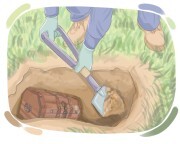
археолог

Закрыть
Войти
to unearth
to unearth
[глагол]

to dig the ground and discover something

раскапывать

раскапывать

Ex: Archaeologists unearthed ancient pottery during the excavation. 

Археологи раскопали древнюю керамику во время раскопок.

Закрыть
Войти
fragment
fragment
[существительное]

a small piece that has broken off or become separated from a larger whole

фрагмент,  осколок

фрагмент, осколок

Ex: Fragments of glass were scattered across the floor. 
Закрыть
Войти
manuscript
manuscript
[существительное]

a document, book, or musical work written by hand, especially one dating from before the invention of printing

рукопись,  манускрипт

рукопись, манускрипт

Ex: The library owns a medieval manuscript written on parchment. 
Закрыть
Войти
Before Common Era
Before Common Era
[наречие]

a secular designation used to represent dates in the Gregorian calendar before the traditional reference point of the birth of Jesus Christ

до н.э.

до н.э.

Закрыть
Войти
Common Era
Common Era
[наречие]

used with a date to refer to things happened or existed after the birth of Christ

Н.Э.

Н.Э.

Ex: The fall of the Western Roman Empire occurred around 476 CE. 
Закрыть
Войти
scholarly
scholarly
[прилагательное]

related to or involving serious academic study

академический

академический

Ex: The scholarly article thoroughly examines the historical context of the Renaissance period. 

Научная статья тщательно исследует исторический контекст эпохи Возрождения.

Закрыть
Войти
debate
debate
[существительное]

a discussion about a particular issue between two opposing sides, mainly held publicly

дискуссия

дискуссия

Ex: The candidates participated in a televised debate about economic policy. 
Закрыть
Войти
prevailing
prevailing
[прилагательное]

existing or occurring commonly

преобладающий, распространённый

преобладающий, распространённый

Ex: The prevailing fashion trend this season is characterized by bold colors and oversized silhouettes. 

Преобладающая модная тенденция этого сезона характеризуется яркими цветами и силуэтами оверсайз.

Закрыть
Войти
to inhabit
to inhabit
[глагол]

to reside in a specific place

населять

населять

Ex: The desert is sparsely inhabited due to its harsh climate. 

Пустыня редко заселена из-за сурового климата.
Закрыть
Войти
troop
troop
[существительное]

armed forces or soldiers, especially by large numbers

войска

войска

Ex: Thousands of troops were sent to the region. 
Закрыть
Войти
devout
devout
[прилагательное]

believing firmly in a particular religion

набожный, благочестивый

набожный, благочестивый

Ex: He leads a devout lifestyle, observing religious rituals with unwavering dedication. 

Он ведет благочестивый образ жизни, соблюдая религиозные ритуалы с непоколебимой преданностью.

Закрыть
Войти
sect
sect
[существительное]

a religious group with beliefs or practices, especially extreme or unusual ones, that separate them from the rest of the people with the religion

секта

секта

Закрыть
Войти
inhabitant
inhabitant
[существительное]

a person or animal that lives in a particular place

житель

житель

Ex: The island has fewer than a thousand inhabitants. 
Закрыть
Войти
siege
siege
[существительное]

the act of surrounding the enemy, a town, etc. and cutting off their supplies so that they would surrender

осада

осада

Ex: The city endured a prolonged siege as enemy forces surrounded it, cutting off all supply routes. 

Город выдержал длительную осаду, когда вражеские силы окружили его, перекрыв все пути снабжения.

Закрыть
Войти
to feature
to feature
[глагол]

to have something as a prominent or distinctive aspect or characteristic

представлять, включать

представлять, включать

Ex: The new smartphone features a high-resolution camera and a long-lasting battery. 
Закрыть
Войти
to date
to date
[глагол]

to determine or figure out when something happened or was created

датировать, определять дату

датировать, определять дату

Ex: Experts dated the painting to the early seventeenth century. 
Закрыть
Войти
biblical
biblical
[прилагательное]

related to or derived from the Bible

библейский

библейский

Ex: The biblical story of Noah's Ark is well-known around the world. 

Библейская история о Ноевом ковчеге известна во всем мире.

Закрыть
Войти
document
document
[существительное]

a computer file, book, piece of paper etc. that is used as evidence or a source of information

документ

документ

Ex: Please bring the required documents to the appointment. 
Закрыть
Войти
regulation
regulation
[существительное]

a rule made by the government, an authority, etc. to control or govern something within a particular area

правило, регулирование

правило, регулирование

Ex: The new regulations require all vehicles to undergo annual emissions testing. 
Закрыть
Войти
occasionally
occasionally
[наречие]

not on a regular basis

время от времени

время от времени

Ex: She visits her grandparents occasionally. 

Она изредка навещает своих бабушку и дедушку.

Закрыть
Войти
exception
exception
[существительное]

a person or thing that does not follow a general rule or is excluded from a class or group

исключение

исключение

Ex: Most of the students passed the exam, and he was the only exception. 
Закрыть
Войти
combination
combination
[существительное]

a unified whole created by joining or mixing two or more distinct elements or parts together

комбинация
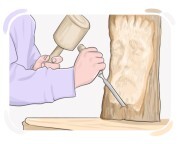
комбинация

Ex: The combination of flour, eggs, and milk makes a smooth batter. 
Закрыть
Войти
to chisel
to chisel
[глагол]

to carve or shape a material, typically wood or stone, by using a sharp-edged tool with a flat metal blade

высекать, вырезать

высекать, вырезать

Ex: The artist chiseled a relief sculpture on the stone wall. 

Художник высек рельефную скульптуру на каменной стене.

Закрыть
Войти
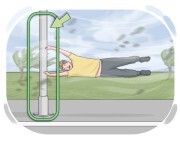
to theorize
to theorize
[глагол]

to formulate a hypothesis to explain something, often as a starting point for further investigation or study

теоретизировать

теоретизировать

Ex: Based on market trends, the company has theorized that launching a new product line would attract a wider customer base. 

Основываясь на рыночных тенденциях, компания выдвинула гипотезу, что запуск новой линейки продуктов привлечет более широкую клиентскую базу.
Закрыть
Войти
to withstand
to withstand
[глагол]

to resist or endure the force, pressure, or challenges imposed upon oneself

выдерживать

выдерживать

Ex: The sturdy structure of the building can withstand strong winds and earthquakes. 

Прочная структура здания может выдерживать сильные ветры и землетрясения.

Закрыть
Войти
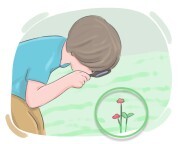
passage
passage
[существительное]

the action of transitioning from one state or condition to another

переход, прохождение
переход, прохождение

Ex: The ritual symbolized the passage from one social role to another. 
Закрыть
Войти
intriguing
intriguing
[прилагательное]

arousing interest and curiosity due to being strange or mysterious

интригующий

интригующий

Ex: The old book contained intriguing symbols and cryptic messages, sparking the reader's curiosity. 

В старой книге содержались интригующие символы и загадочные сообщения, пробуждающие любопытство читателя.

Закрыть
Войти
treasure
treasure
[существительное]

valuable objects or wealth, especially money, precious metals, or jewels that have been collected or stored

сокровище

сокровище

Ex: The explorers searched the island for buried treasure. 
Закрыть
Войти
cache
cache
[существительное]

a secret store of valuables or money

тайник, секретный запас

тайник, секретный запас

Закрыть
Войти
unconventional
unconventional
[прилагательное]

not following established customs or norms

нестандартный, нетрадиционный

нестандартный, нетрадиционный

Ex: His unconventional lifestyle choices often led to interesting conversations at social gatherings. 

Его нетрадиционный выбор образа жизни часто приводил к интересным разговорам на светских мероприятиях.

Закрыть
Войти
supposedly
supposedly
[наречие]

used to suggest that something is assumed to be true, often with a hint of doubt

предположительно

предположительно

Ex: She was supposedly the last person to leave the building, according to eyewitnesses. 

По словам очевидцев, она якобы была последним человеком, покинувшим здание.

Закрыть
Войти
riches
riches
[существительное]

an abundance of material possessions and resources

богатства, состояния

богатства, состояния

Закрыть
Войти
hoard
hoard
[существительное]

a hidden or carefully guarded collection of valuables, money, or other precious items

клад, сокровище

клад, сокровище

Ex: The archaeologists discovered a hoard of ancient coins. 

Археологи обнаружили клад древних монет.

Закрыть
Войти
to pillage
to pillage
[глагол]

to plunder, typically during times of war or civil unrest

грабить

грабить

Ex: The invading army was condemned for its actions as it began to pillage villages, leaving destruction in its wake. 

Вторгшаяся армия была осуждена за свои действия, когда начала грабить деревни, оставляя за собой разрушения.

Закрыть
Войти
hypothesis
hypothesis
[существительное]

a proposed explanation for a situation or set of facts that has not yet been proved

гипотеза

гипотеза

Ex: One hypothesis is that the decline was caused by changing consumer habits. 
Закрыть
Войти
temple
temple
[существительное]

a synagogue, especially one belonging to a Reform or Conservative Jewish congregation

синагога,  храм

синагога, храм

Ex: The family attends temple every Friday evening. 
Закрыть
Войти
orthodox
orthodox
[прилагательное]

related to the beliefs, practices, or traditions that are in accordance with the teachings and customs of the Eastern Orthodox Church

православный, относящийся к Православной церкви

православный, относящийся к Православной церкви

Ex: The Orthodox church in the village holds traditional liturgical services every Sunday. 

Православная церковь в деревне проводит традиционные литургические службы каждое воскресенье.

Закрыть
Войти
archbishop
archbishop
[существительное]

a bishop of the highest rank who oversees other bishops and churches in a large area

архиепископ

архиепископ

Ex: The archbishop addressed the congregation during the ceremony. 
Закрыть
Войти
to acquire
to acquire
[глагол]

to buy or begin to have something

приобретать

приобретать

Ex: Sophie was thrilled to acquire a rare stamp for her collection. 
Закрыть
Войти
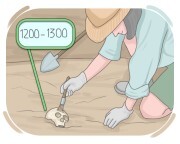
miscellaneous
miscellaneous
[прилагательное]

composed of diverse, various, or unrelated items or elements

разнообразный, разный

разнообразный, разный

Ex: His playlist featured a miscellaneous mix of genres, from classical music to modern pop. 

Его плейлист включал разнообразную смесь жанров, от классической музыки до современной поп-музыки.
Закрыть
Войти
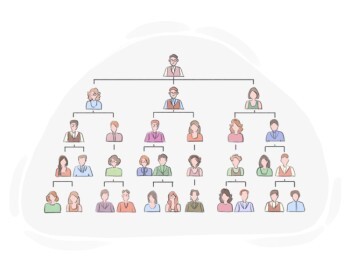
to date back
to date back
[глагол]

to have origins or existence that extends to a specific earlier time

восходить к, датироваться

восходить к, датироваться

Ex: The ancient ruins in the valley date back to the time of the Roman Empire. 

Древние руины в долине относятся ко временам Римской империи.
Закрыть
Войти
institution
institution
[существительное]

a large organization that serves a religious, educational, social, or similar function

учреждение

учреждение

Ex: She works for a major financial institution. 
Закрыть
Войти
statesman
statesman
[существительное]

a skilled and experienced political leader who demonstrates good judgment and leadership in their decisions and actions

государственный деятель, политический лидер

государственный деятель, политический лидер

Ex: The statesman delivered an inspiring speech on international diplomacy. 

Государственный деятель произнес вдохновляющую речь о международной дипломатии.

Закрыть
Войти
to restore
to restore
[глагол]

to repair a work of art, building, etc. so that it is in a good condition again

реставрировать

реставрировать

Ex: Specialists were hired to restore the damaged painting. 
Закрыть
Войти
to decipher
to decipher
[глагол]

to translate a coded or secret message into a readable form

расшифровать, декодировать

расшифровать, декодировать

Ex: The spy worked hard to decipher the encrypted message. 

Шпион усердно работал, чтобы расшифровать зашифрованное сообщение.

Закрыть
Войти
to reassemble
to reassemble
[глагол]

assemble once again, after taking something apart

собирать заново,  пересобирать

собирать заново, пересобирать

Закрыть
Войти
insight
insight
[существительное]

a clear and deep understanding of a person, situation, problem, or subject

озарение

озарение

Ex: The study provides valuable insight into consumer behavior. 
Закрыть
Войти
to indicate
to indicate
[глагол]

to show, point out, or suggest the existence, presence, or nature of something

обозначать

обозначать

Ex: The chart indicates a trend in sales. 
Закрыть
Войти
shift
shift
[существительное]

a significant change in the nature or quality of something

сдвиг, изменение

сдвиг, изменение

Ex: The policy shift improved working conditions. 
Закрыть
Войти
container
container
[существительное]

an object used for holding, storing, or carrying something

тара

тара

Ex: Emma stored the leftovers in a plastic container. 
Закрыть
Войти
academic
academic
[существительное]

a member of the university faculty engaged in teaching or research

академик, преподаватель-исследователь

академик, преподаватель-исследователь

Ex: The academics gathered at the conference to discuss recent research. 
Закрыть
Войти
establishment
establishment
[существительное]

an organization or institution created for a particular function

учреждение, институт

учреждение, институт

Ex: The medical establishment was slow to accept the new treatment. 
Закрыть
Войти
keen
keen
[прилагательное]

having a strong enthusiasm, desire, or excitement for something or someone

увлекающийся
увлекающийся

Ex: She is keen for the project to be completed on time. 
Закрыть
Войти
to piece together
to piece together
[глагол]

to create something by joining separate parts or elements

собирать, восстанавливать

собирать, восстанавливать

Ex: The curator worked to piece together the damaged artwork. 

Куратор работал над тем, чтобы собрать воедино поврежденное произведение искусства.

Закрыть
Войти
annual
annual
[прилагательное]

happening, done, or made once every year

ежегодный
ежегодный

Ex: The company holds an annual meeting every March. 
Закрыть
Войти
occasion
occasion
[существительное]

an official or special ceremony or event

событие

событие

Ex: The graduation ceremony was a memorable occasion for all the students. 
Закрыть
Войти
safekeeping
safekeeping
[существительное]

the responsibility of a guardian or keeper

хранение, опека

хранение, опека

Закрыть
Войти
dealer
dealer
[существительное]

a person who buys and sells things, usually to make money from the difference in price

торговец, дилер

торговец, дилер

Ex: A local coin dealer offered to buy the whole collection. 
Закрыть
Войти
out of use
out of use
[фраза]

no longer done, followed, or needed by people, often because something is old, broken, or replaced by something better

Ex: The tool has fallen out of use in modern farming. 
Закрыть
Войти
sectarian
sectarian
[прилагательное]

relating to a particular group within a religion, especially when that group is separate from or different than others

сектантский, конфессиональный

сектантский, конфессиональный

Ex: Sectarian conflicts have affected many regions in history. 

Сектантские конфликты затронули многие регионы в истории.

Закрыть
Войти
LanGeek
Скачать приложение LanGeek
