pattern

Cambridge IELTS 17 - Academic - Test 2 - Reading - Passage 1

Here you can find the vocabulary from Test 2 - Reading - Passage 1 in the Cambridge IELTS 17 - Academic coursebook, to help you prepare for your IELTS exam.

Review

Flashcards

Forms

Spelling

Quiz
Start learning
Cambridge IELTS 17 - Academic
scroll
scroll
[noun]

a roll of parchment, paper, or other material containing writing or images, often used for historical or religious texts

Close
Sign in
to tend
to tend
[Verb]

to care for the needs of someone or something with attention and responsibility

Ex: The gardener tends to the flowers, ensuring they receive proper water and sunlight. 
Close
Sign in
settlement

an area where a group of families or people live together, often in a newly established community
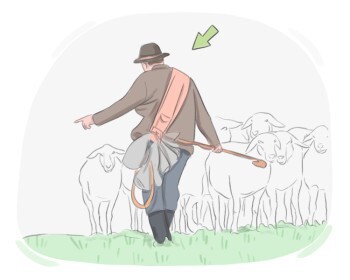
Ex: The settlement grew rapidly as more families moved in. 
Close
Sign in
shepherd
shepherd
[noun]

a person who protects a large group of sheep as a job

Ex: The shepherd guided the flock across the valley. 
Close
Sign in
to toss
to toss
[Verb]

to throw something with a quick and sudden motion

Ex: He decided to toss his keys onto the table as he entered the room. 
Close
Sign in
shattering
shattering
[Adjective]

seemingly loud enough to break something; violently rattling or clattering

Close
Sign in
companion
companion
[noun]

someone or something that regularly keeps another company, providing friendship, support, or association

Ex: She has been his loyal companion for many years. 
Close
Sign in
to stumble on

to find something or someone unexpectedly

Ex: While hiking in the woods, we stumbled on an old abandoned cabin. 
Close
Sign in
to contain

to have or hold something within or include something as a part of a larger entity or space

Ex: The box regularly contains various items like books and documents. 
Close
Sign in
antiquity
antiquity
[noun]

an object or artifact from an ancient period, often of historical or cultural value
Ex: The museum displayed ancient antiquities, including Greek pottery. 
Close
Sign in
word
word
[noun]

a piece of information or news

Ex: I just got the word that the meeting has been postponed. 
Close
Sign in
find
find
[noun]

the act or result of discovering something, especially something valuable, rare, or previously unknown
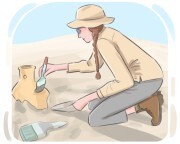
Ex: The archaeologists' latest find was a set of ancient coins. 
Close
Sign in
archeologist

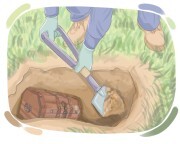
a person whose job is to study ancient societies using facts, objects, buildings, etc. remaining in excavation sites
Close
Sign in
to unearth

to dig the ground and discover something

Ex: Archaeologists unearthed ancient pottery during the excavation. 
Close
Sign in
fragment
fragment
[noun]

a small piece or part that has broken off from a larger whole, often referring to objects or materials

Ex: The archaeologist carefully examined each fragment of pottery found at the excavation site. 
Close
Sign in
manuscript

a written document, book, or musical composition created by hand rather than being produced using a typewriter or printing press

Ex: The historian studied ancient manuscripts to uncover details about daily life in medieval Europe. 
Close
Sign in
Before Common Era

a secular designation used to represent dates in the Gregorian calendar before the traditional reference point of the birth of Jesus Christ

Close
Sign in
Common Era
Common Era
[Adverb]

used with a date to refer to things happened or existed after the birth of Christ

Ex: The fall of the Western Roman Empire occurred around 476 CE. 
Close
Sign in
scholarly
scholarly
[Adjective]

related to or involving serious academic study

Ex: The scholarly article thoroughly examines the historical context of the Renaissance period. 
Close
Sign in
debate
debate
[noun]

a discussion about a particular issue between two opposing sides, mainly held publicly

Ex: The candidates participated in a televised debate to present their views on economic policy. 
Close
Sign in
prevailing
prevailing
[Adjective]

existing or occurring commonly

Ex: The prevailing fashion trend this season is characterized by bold colors and oversized silhouettes. 
Close
Sign in
to inhabit

to reside in a specific place

Ex: Many species of birds inhabit the forest year-round. 
Close
Sign in
troop
troop
[noun]

armed forces or soldiers, especially by large numbers

Ex: The general deployed an elite troop to the front lines to bolster the defensive positions. 
Close
Sign in
devout
devout
[Adjective]

believing firmly in a particular religion

Ex: He leads a devout lifestyle, observing religious rituals with unwavering dedication. 
Close
Sign in
sect
sect
[noun]

a religious group with beliefs or practices, especially extreme or unusual ones, that separate them from the rest of the people with the religion

Close
Sign in
inhabitant

a person or animal that resides in a particular place

Ex: The city has over a million inhabitants, making it one of the largest in the country. 
Close
Sign in
siege
siege
[noun]

the act of surrounding the enemy, a town, etc. and cutting off their supplies so that they would surrender

Ex: The city endured a prolonged siege as enemy forces surrounded it, cutting off all supply routes. 
Close
Sign in
to feature

to have something as a prominent or distinctive aspect or characteristic

Ex: The new smartphone features a high-resolution camera and a long-lasting battery. 
Close
Sign in
to date
to date
[Verb]

to determine or figure out when something happened or was created

Ex: The archaeologists used carbon dating to date the ancient artifacts. 
Close
Sign in
biblical
biblical
[Adjective]

related to or derived from the Bible

Ex: The biblical story of Noah's Ark is well-known around the world. 
Close
Sign in
document
document
[noun]

a computer file, book, piece of paper etc. that is used as evidence or a source of information

Ex: The historian discovered an ancient document that shed light on a lost civilization. 
Close
Sign in
regulation

a rule made by the government, an authority, etc. to control or govern something within a particular area
Ex: The new regulations require all vehicles to undergo emissions testing annually. 
Close
Sign in
occasionally
occasionally
[Adverb]

not on a regular basis

Ex: She visits her grandparents occasionally. 
Close
Sign in
exception
exception
[noun]

a person or thing that does not follow a general rule or is excluded from a class or group

Ex: The school generally does not allow cell phones in class, but there is an exception for students with special needs. 
Close
Sign in
combination

a unified whole created by joining or mixing two or more distinct elements or parts together
Ex: The combination of flour, eggs, and milk results in a smooth pancake batter. 
Close
Sign in
to chisel
to chisel
[Verb]

to carve or shape a material, typically wood or stone, by using a sharp-edged tool with a flat metal blade
Ex: The woodworker carefully chiseled intricate details on the furniture. 
Close
Sign in
to theorize

to formulate a hypothesis to explain something, often as a starting point for further investigation or study
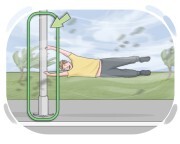
Ex: Scientists theorized that the changes in temperature were causing the polar ice caps to melt more rapidly. 
Close
Sign in
to withstand

to resist or endure the force, pressure, or challenges imposed upon oneself

Ex: The sturdy structure of the building can withstand strong winds and earthquakes. 
Close
Sign in
passage
passage
[noun]

the action of transitioning from one state or condition to another
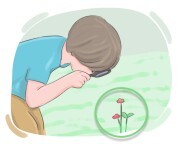
Ex: The ceremony marked the passage from childhood to adulthood. 
Close
Sign in
intriguing
intriguing
[Adjective]

arousing interest and curiosity due to being strange or mysterious

Ex: The old book contained intriguing symbols and cryptic messages, sparking the reader's curiosity. 
Close
Sign in
treasure
treasure
[noun]

accumulated wealth in the form of money or jewels etc.

Close
Sign in
cache
cache
[noun]

a secret store of valuables or money

Close
Sign in
unconventional
unconventional
[Adjective]

not following established customs or norms

Ex: His unconventional style of dress, mixing formal attire with casual elements, always drew attention. 
Close
Sign in
supposedly
supposedly
[Adverb]

used to suggest that something is assumed to be true, often with a hint of doubt

Ex: She was supposedly the last person to leave the building, according to eyewitnesses. 
Close
Sign in
riches
riches
[noun]

an abundance of material possessions and resources

Close
Sign in
hoard
hoard
[noun]

a hidden or carefully guarded collection of valuables, money, or other precious items

Ex: The archaeologists discovered a hoard of ancient coins. 
Close
Sign in
to pillage

to plunder, typically during times of war or civil unrest

Ex: The invading army was condemned for its actions as it began to pillage villages, leaving destruction in its wake. 
Close
Sign in
hypothesis

an explanation based on limited facts and evidence that is not yet proved to be true

Ex: The scientist developed a hypothesis to explain the observed phenomena. 
Close
Sign in
temple
temple
[noun]

(Judaism) the place of worship for a Jewish congregation

Close
Sign in
orthodox
orthodox
[Adjective]

related to the beliefs, practices, or traditions that are in accordance with the teachings and customs of the Eastern Orthodox Church

Ex: The Orthodox church in the village holds traditional liturgical services every Sunday. 
Close
Sign in
archbishop

a bishop of the highest rank who is responsible for all the churches in a specific large area

Ex: The archbishop presided over the diocese, which encompassed several cities and towns. 
Close
Sign in
to acquire

to buy or begin to have something

Ex: Sophie was thrilled to acquire a rare and valuable stamp for her collection. 
Close
Sign in
miscellaneous
miscellaneous
[Adjective]

composed of diverse, various, or unrelated items or elements
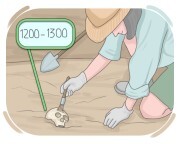
Ex: The box in the attic was filled with miscellaneous items, from old toys to broken gadgets. 
Close
Sign in
to date back

to have origins or existence that extends to a specific earlier time
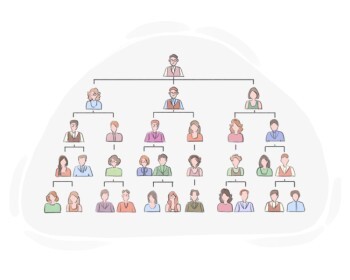
Ex: The ancient ruins in the valley date back to the time of the Roman Empire. 
Close
Sign in
institution

a large organization that serves a religious, educational, social, or similar function

Ex: The university is a well-respected institution known for its research programs. 
Close
Sign in
statesman
statesman
[noun]

a skilled and experienced political leader who demonstrates good judgment and leadership in their decisions and actions
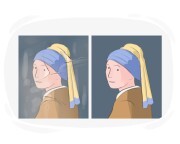
Ex: The statesman delivered an inspiring speech on international diplomacy. 
Close
Sign in
to restore

to repair a work of art, building, etc. so that it is in a good condition again

Ex: The museum hired experts to restore the ancient painting to its original beauty. 
Close
Sign in
to decipher

to translate a coded or secret message into a readable form

Ex: The spy worked hard to decipher the encrypted message. 
Close
Sign in
to reassemble

assemble once again, after taking something apart

Close
Sign in
insight
insight
[noun]

a penetrating and profound understanding that goes beyond surface-level observations or knowledge

Ex: Years of study and contemplation yielded profound insights into the nature of existence. 
Close
Sign in
to indicate

to show, point out, or suggest the existence, presence, or nature of something

Ex: The thermometer indicates that the temperature is rising. 
Close
Sign in
shift
shift
[noun]

a significant change in the nature or quality of something

Ex: The policy shift improved the company's working conditions. 
Close
Sign in
container
container
[noun]

any object that can be used to store something in, such as a bottle, box, etc.

Ex: She placed the leftover food in a container and put it in the fridge. 
Close
Sign in
academic
academic
[noun]

a member of the university faculty engaged in teaching or research

Ex: The academics gathered at the conference to discuss the latest developments in their fields. 
Close
Sign in
establishment

an organization or institution created for a particular function

Ex: The scientific establishment has long debated the origin of the universe. 
Close
Sign in
keen
keen
[Adjective]

having a strong enthusiasm, desire, or excitement for something or someone
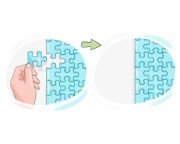
Ex: She was keen to dive into the new book series, devouring each novel with gusto. 
Close
Sign in
to piece together

to create something by joining separate parts or elements

Ex: The curator worked to piece together the damaged artwork. 
Close
Sign in
annual
annual
[Adjective]

happening, done, or made once every year
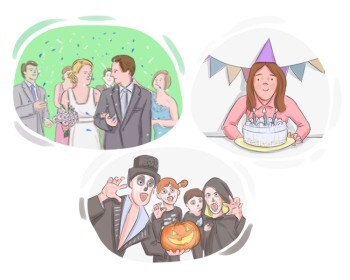
Ex: They celebrated their annual family reunion in the summer. 
Close
Sign in
occasion
occasion
[noun]

an official or special ceremony or event

Ex: The graduation ceremony was a momentous occasion for all the students. 
Close
Sign in
safekeeping

the responsibility of a guardian or keeper

Close
Sign in
dealer
dealer
[noun]

a person who buys and sells things, usually to make money from the difference in price

Ex: She became a trusted antique dealer in her town. 
Close
Sign in
out of use
out of use
[phrase]

no longer done, followed, or needed by people, often because something is old, broken, or replaced by something better

Ex: Gas lamps are mostly out of use in modern cities. 
Close
Sign in
sectarian
sectarian
[Adjective]

relating to a particular group within a religion, especially when that group is separate from or different than others

Ex: Sectarian conflicts have affected many regions in history. 
Close
Sign in
LanGeek
Download LanGeek app