


a person who governs or controls a country or territory
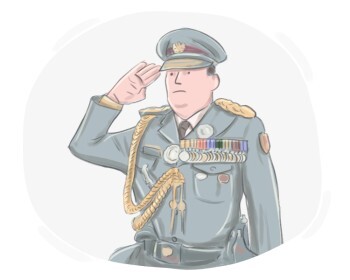
a person who leads or commands others

an official with authority over a particular government department, public service, or area of administration

the person who is the head of a US government department

senior members of a government who make decisions and control the policy of the government

a group of elected people who govern a city, town, etc.
the right of top government leaders to withhold certain information from the public or other branches of government
the right of lawmakers to speak or act in parliament without being sued or prosecuted for what they say
an official command issued by the president that has the force of law
the system of laws that regulates relations between countries
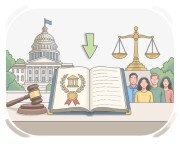
the official laws and principles by which a country or state is governed
relating to or in accordance with the rules laid out in a constitution, which is a set of fundamental laws for a country or organization
regarding a constitution, the fundamental law of a nation, or the principles and structures outlined in a constitution
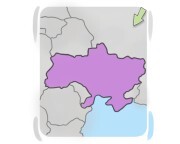
relating to activities, issues, or affairs within a particular country
referring to interactions, relations, or affairs with other nations
someone who works in the civil service
the government departments and agencies that implement policies and provide services, not including elected officials or the military
an official announcement or statement released to inform the public or media
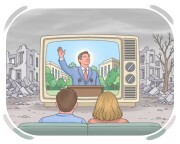
information and statements that are mostly biased and false and are used to promote a political cause or leader
the political propaganda, especially in the form of art, literature, or media, used to promote a particular ideology, cause, or political agenda
