
pattern

South America Vocabulary - Paraguay

Review

Flashcards

Forms

Spelling

Quiz

Start learning
South America Vocabulary
landlocked
landlocked
[Adjective]

(of a region or country) entirely surrounded by land, without any access to the sea or ocean
Close
Sign in
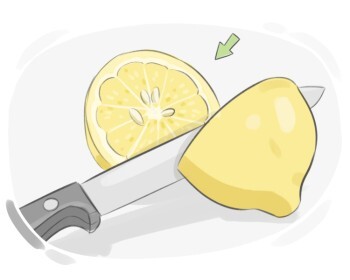
to divide
to divide
[Verb]

to separate people or things into two or more groups, parts, etc.
Ex: The teacher divides the class into small groups for a collaborative project. 
Close
Sign in
border
border
[noun]

a line that separates two countries, provinces, or states from each other

Ex: Diplomatic tensions can escalate when disputes arise over the delineation of borders between nations. 
Close
Sign in
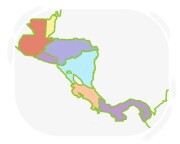
to locate
to locate
[Verb]

to be situated or established in a particular place

Ex: The museum is located near the river. 
Close
Sign in
to go back

to trace the existence or origin of something to a specific point in time
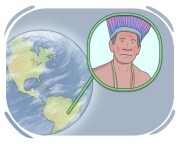
Ex: The tradition of celebrating the festival goes back for centuries. 
Close
Sign in
native
native
[Adjective]

describing the people who have lived in an area for a very long time
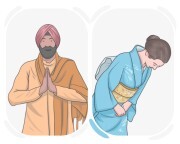
Ex: Native Hawaiians have a unique cultural identity and deep spiritual connection to the islands, which they have called home for centuries. 
Close
Sign in
custom
custom
[noun]

a way of behaving or of doing something that is widely accepted in a society or among a specific group of people

Ex: It is a custom in Japan to take off your shoes before entering a house. 
Close
Sign in
permanent
permanent
[Adjective]

continuing to exist all the time, without significant changes

Ex: The museum's permanent collection includes timeless masterpieces from around the world. 
Close
Sign in
settlement

an area where a group of families or people live together, often in a newly established community

Ex: The settlement grew rapidly as more families moved in. 
Close
Sign in
to gain
to gain
[Verb]

to obtain something through one's own actions or hard work

Ex: She gained recognition in the industry through years of dedication and innovation. 
Close
Sign in
independence

the state of being free from the control of others

Ex: The country gained its independence after years of colonial rule. 
Close
Sign in
to [go] to war
to go to war
[phrase]

(of nations or groups of people) to engage in armed conflict or warfare and enter a state of military confrontation

Ex: The two nations went to war over territorial disputes. 
Close
Sign in
to recover

to become normal again after a period of difficulty

Ex: The economy is slowly starting to recover after the recession. 
Close
Sign in
damage
damage
[noun]

loss or destruction of military equipment

Ex: The battle resulted in significant damage to the army's tanks. 
Close
Sign in
influence
influence
[noun]

the ability to affect people or events, particularly through prestige, status, or authority
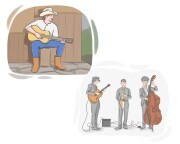
Ex: The lobbyist's influence led to the passing of the new environmental regulations. 
Close
Sign in
folk music

traditional music that is specific to a region or community or modern music imitating that style

Ex: Folk music often tells stories about local history and traditions. 
Close
Sign in
harp
harp
[noun]

a triangular musical instrument with a row of strings that are stretched vertically, played with the fingers
Ex: She practiced the harp diligently every day to prepare for the upcoming recital. 
Close
Sign in
dish
dish
[noun]

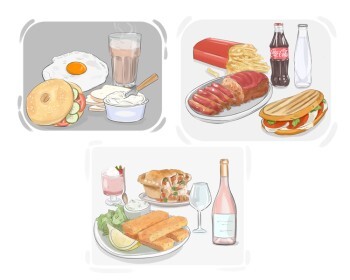
food that is made in a special way as part of a meal

Close
Sign in
cornbread
cornbread
[noun]

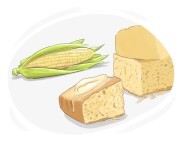
a kind of flat bread made from maize flour, typically in Native American cuisine

Close
Sign in
cornmeal
cornmeal
[noun]

a type of flour made by grinding dried corn kernels

Ex: She used cornmeal to make the cornbread. 
Close
Sign in
herbal
herbal
[Adjective]

relating to or made from herbs, which are plants valued for their medicinal, aromatic, or culinary properties

Ex: Herbal teas, made from various plants and herbs, are often consumed for their health benefits. 
Close
Sign in
parade
parade
[noun]

a public event where people or vehicles orderly move forward, particularly to celebrate a holiday or special day
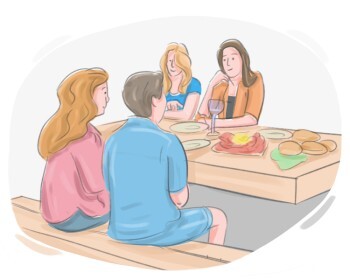
Ex: The city organized a grand parade for the national holiday. 
Close
Sign in
to gather
to gather
[Verb]

to come together in a place, typically for a specific purpose or activity
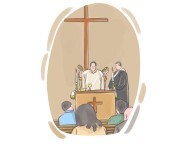
Ex: Every Sunday, the family gathers for a meal at Grandma's house. 
Close
Sign in
church service

a service conducted in a house of worship

Close
Sign in
to attend
to attend
[Verb]

to go to school, university, church, etc. periodically

Ex: Students are expected to attend all classes to ensure academic success. 
Close
Sign in
joyful
joyful
[Adjective]

filled with great happiness and high spirits
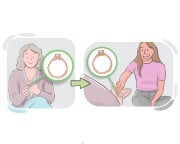
Ex: The children were joyful as they played in the park. 
Close
Sign in
to pass down

to transfer something to the next generation or another person
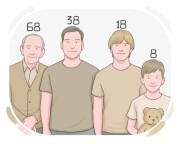
Ex: My grandmother passed down this quilt to me, and I plan to pass it down to my daughter. 
Close
Sign in
generation

people born and living at approximately the same period of time
Ex: The older generation often reminisces about life before smartphones became ubiquitous. 
Close
Sign in
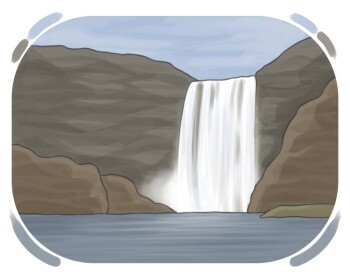
waterfall
waterfall
[noun]

a high place, such as a cliff, from which a river or stream falls
Ex: They hiked for hours to reach the breathtaking waterfall hidden in the forest. 
Close
Sign in
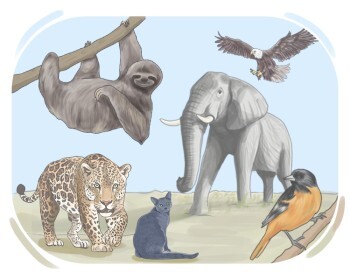
wildlife
wildlife
[noun]

all wild animals, considered as a whole, living in the natural environment
Ex: The national park is home to a variety of wildlife, including bears and wolves. 
Close
Sign in
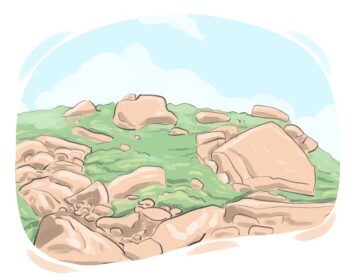
rugged
rugged
[Adjective]

(of land or terrain) rough, uneven, and often difficult to navigate, with features such as steep slopes or rocky surfaces

Ex: The rugged mountains were difficult to climb. 
Close
Sign in
grassland
grassland
[noun]

a large, open, and grass-covered area

Ex: Many animals live in the vast grassland. 
Close
Sign in
cattle ranch

farm consisting of a large tract of land along with facilities needed to raise livestock (especially cattle)

Close
Sign in
economy
economy
[noun]

the system in which money, goods, and services are produced or distributed within a country or region

Ex: The country's economy grew rapidly due to investments in technology and infrastructure. 
Close
Sign in
export
export
[noun]

commodities, goods, or services sold and sent to another country
Ex: The country's main export is coffee. 
Close
Sign in
soybean
soybean
[noun]

a type of plant in the legume family that is high in protein and used in a variety of foods such as tofu and soy milk
Ex: Farmers harvested soybeans at the end of the season. 
Close
Sign in
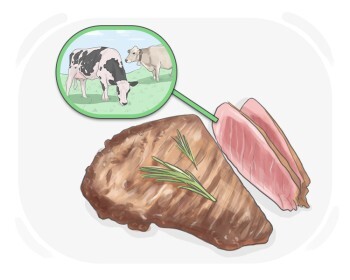
beef
beef
[noun]

meat that is from a cow

Ex: The steakhouse is famous for serving high-quality cuts of beef grilled to perfection. 
Close
Sign in
natural resources

raw materials found in nature that are used by human beings
Ex: Forests and rivers are vital natural resources for many communities. 
Close
Sign in
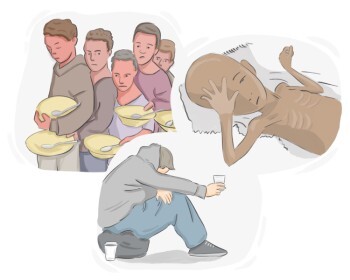
poverty
poverty
[noun]

the condition of lacking enough money or income to afford basic needs like food, clothing, etc.
Ex: Many families in the area live in poverty and struggle to access basic services. 
Close
Sign in
issue
issue
[noun]

problems or difficulties that arise, especially in relation to a service or facility, which require resolution or attention

Ex: The internet service provider resolved the issue with the slow connection promptly. 
Close
Sign in
sense
sense
[noun]

an overall, conscious recognition or understanding of a situation, feeling, or environment
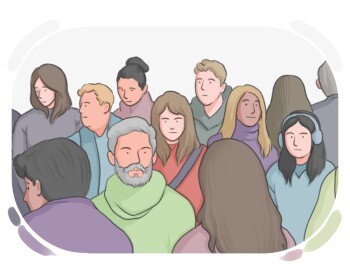
Ex: She had the sense of being a political outsider. 
Close
Sign in
community
community
[noun]

a group of people who live in the same area
Ex: The local community came together to organize a charity fundraiser. 
Close
Sign in
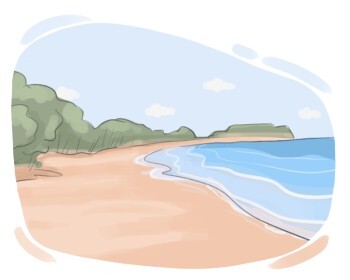
coastline
coastline
[noun]

the boundary between land and water, particularly as seen on a map or from above
Ex: The rugged coastline stretched for miles. 
Close
Sign in
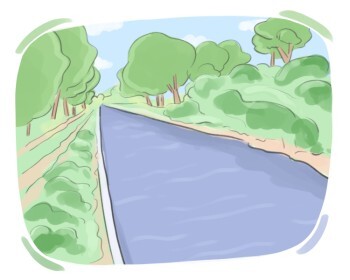
waterway
waterway
[noun]

a river, canal, etc. that boats can navigate through

Close
Sign in
to stand out

to be prominent and easily noticeable

Ex: The glowing neon sign made the cafe stand out among the other businesses on the street. 
Close
Sign in
LanGeek
Download LanGeek app