

pattern

Middle East Vocabulary - Iraq

Review

Flashcards

Spelling

Quiz

Start learning
Middle East Vocabulary
clay tablet

a small, flat piece of clay that has been molded and hardened, typically used as a medium for writing or inscribing information in ancient civilizations

Ex: In ancient Mesopotamia, clay tablets were used for recording administrative documents such as inventories, contracts, and receipts. 
Close
Sign in
invention
invention
[noun]

something new, especially a device, method, or process, that has been created or developed

Ex: The telephone was an invention that transformed long-distance communication. 
Close
Sign in
record
record
[noun]

an item that provides lasting evidence or information about past events, actions, or conditions

Ex: The diary served as a personal record of her daily life and thoughts. 
Close
Sign in
to [get|be] caught up in {sth}

to involuntarily become deeply involved or invested in something

Ex: I didn't mean to argue, but I got caught up in the heat of the moment. 
Close
Sign in
wonder
wonder
[noun]

an object, event, or phenomenon that evokes admiration, amazement, or awe
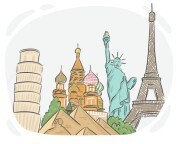
Ex: The Taj Mahal is one of the world's greatest wonders. 
Close
Sign in
landmark
landmark
[noun]

a structure or a place that is historically important

Ex: The Great Wall of China is a remarkable landmark that stretches across thousands of miles and has stood for centuries. 
Close
Sign in
remnant
remnant
[noun]

a tiny fragment or piece that survives after the larger part has been used, removed, or destroyed
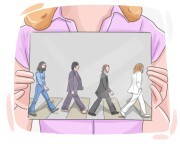
Ex: The crumbling walls were the only remnants of the ancient fortress. 
Close
Sign in
iconic
iconic
[Adjective]

widely recognized and regarded as a symbol of a particular time, place, or culture

Ex: He gave an iconic performance that will be remembered for years. 
Close
Sign in
spiral
spiral
[Adjective]

having a shape that winds around a central point or axis

Ex: The staircase featured a spiral design, allowing for a compact and visually striking ascent. 
Close
Sign in
minaret
minaret
[noun]

a thin and tall tower, often on top of a mosque, from which Muslim are summoned to prayers

Close
Sign in
stunning
stunning
[Adjective]

causing strong admiration or shock due to beauty or impact

Ex: The stunning landscape of the countryside was captured in the artist's painting. 
Close
Sign in
gem
gem
[noun]

a person or thing that is exceptionally outstanding

Ex: The newly discovered novel was a literary gem, praised for its profound insights and beautiful prose. 
Close
Sign in
well preserved
well preserved
[Adjective]

kept in good condition or protected from damage, even after a long time

Ex: The castle is well preserved and still open to visitors. 
Close
Sign in
chaos
chaos
[noun]

a situation of extreme confusion and lack of order
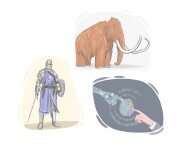
Ex: The blackout caused complete chaos in the city. 
Close
Sign in
era
era
[noun]

a period of history characterized by particular events, developments, or features

Ex: The discovery marked the beginning of a new era in medicine. 
Close
Sign in
to awe
to awe
[Verb]

to inspire a feeling of admiration, reverence, or fear in someone, often due to the perceived greatness, beauty, or power of something

Ex: The majestic mountain peaks awe visitors with their sheer size and beauty. 
Close
Sign in
grandeur
grandeur
[noun]

the striking magnificence or impressive beauty of something

Ex: The royal wedding was an event of unparalleled grandeur, attracting attention from around the world. 
Close
Sign in
in addition to
in addition to
[preposition]

used to add extra or supplementary information

Ex: In addition to his degree in engineering, he also has a diploma in music. 
Close
Sign in
domed
domed
[Adjective]

having a hemispherical vault or dome

Close
Sign in
shrine
shrine
[noun]

a place or building for people to pray in, which is considered holy by many due to its connection with a sacred person, event, or object

Ex: Pilgrims from around the world visit the shrine to pay their respects and seek blessings. 
Close
Sign in
sacred
sacred
[Adjective]

connected with God or a god, and considered holy or deeply respected in religious contexts
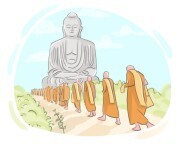
Ex: The river is considered sacred in many indigenous cultures. 
Close
Sign in
pilgrimage

a journey or religious expedition to a sacred place or shrine, typically undertaken for spiritual or religious reasons

Ex: Every year, devout Hindus embark on a pilgrimage to the sacred city of Varanasi to bathe in the holy Ganges River. 
Close
Sign in
alongside
alongside
[preposition]

in collaboration or cooperation with

Ex: She worked alongside her colleagues to complete the project. 
Close
Sign in
spirituality

the quality of relating to the human spirit or religious matters rather than material things

Ex: Meditation can enhance a sense of spirituality. 
Close
Sign in
admiration

a feeling of much respect for and approval of someone or something

Ex: She looked at the artwork with great admiration, appreciating the artist's skill and creativity. 
Close
Sign in
reverence
reverence
[noun]

a great and intense feeling of respect or admiration

Ex: The monk bowed with reverence before the ancient statue, honoring its significance. 
Close
Sign in
to draw
to draw
[Verb]

to elicit or provoke a particular reaction or response

Ex: The comedian's jokes never failed to draw laughter from the audience. 
Close
Sign in
complex
complex
[Adjective]

having or made of several parts

Ex: The human brain is a complex organ with billions of interconnected neurons. 
Close
Sign in
growing
growing
[Adjective]

tending to increase in amount or degree
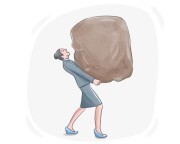
Ex: The growing demand for electric cars is changing the automotive industry. 
Close
Sign in
to go through

to experience or endure something, particularly a difficult or challenging situation
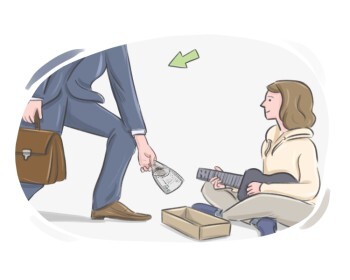
Ex: After losing his job, John had to go through a period of financial hardship. 
Close
Sign in
generous
generous
[Adjective]

having a willingness to freely give or share something with others, without expecting anything in return
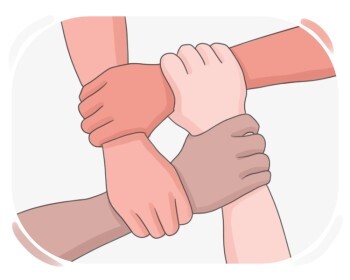
Ex: She's a generous donor, always contributing to charitable causes and helping those in need. 
Close
Sign in
ethnic group

a group of people who share a common culture, language, religion, or ancestry
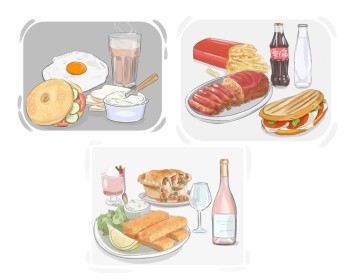
Ex: The country is home to many ethnic groups. 
Close
Sign in
dish
dish
[noun]

food that is made in a special way as part of a meal

Ex: Pasta is one of her favorite dishes. 
Close
Sign in
kebab
kebab
[noun]

food made with pieces of meat and vegetables roasted or grilled on fire, typically on a skewer

Ex: They ordered chicken kebabs served with a side of rice and tzatziki sauce. 
Close
Sign in
to [lay|provide] the [foundation] for {sth}

to establish the basic principles or groundwork needed for the development of something more complex or substantial in the future

Ex: Careful planning laid the foundations for the nation’s economic miracle. 
Close
Sign in
contribution

someone or something's role in achieving a specific result, particularly a positive one

Ex: Employees are rewarded based on their individual contributions to the company's success. 
Close
Sign in
epic
epic
[noun]

a long poem in narrative form giving an account of the extraordinary deeds and adventures of a nation's heroes or legends

Ex: The Iliad is one of the greatest epics of ancient Greek literature. 
Close
Sign in
to [go] on a journey

to travel to a place, often for a long distance or a special purpose

Ex: They decided to go on a journey across Europe. 
Close
Sign in
eternal life

life without beginning or end

Close
Sign in
along the way

during a process, activity, or period of time

Ex: She learned many valuable lessons along the way. 
Close
Sign in
cradle of civilization

a place where one of the earliest human civilizations developed
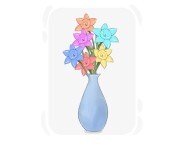
Ex: Mesopotamia is often called the cradle of civilization. 
Close
Sign in
diverse
diverse
[Adjective]

showing a variety of distinct types or qualities
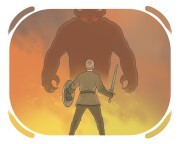
Ex: The team consisted of individuals from diverse backgrounds, bringing a range of experiences and perspectives to the table. 
Close
Sign in
courage
courage
[noun]

the ability to face danger, difficulty, or fear without giving up
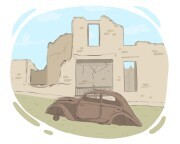
Ex: It took courage for Emma to speak publicly about her experience. 
Close
Sign in
ruin
ruin
[noun]

the remains of a building, town, or other structure that has been destroyed or fallen into decay
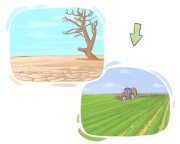
Ex: Tourists explored the ruins of the ancient city. 
Close
Sign in
fertile
fertile
[Adjective]

(of land or soil) able to produce crops or plants well
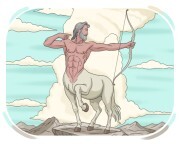
Ex: The fertile soil in the valley yielded abundant harvests of wheat and corn each year. 
Close
Sign in
myth
myth
[noun]

a traditional story about gods, heroes, or supernatural events, often explaining a culture's history, beliefs, or natural phenomena

Ex: Greek myths often tell stories about gods interacting with humans. 
Close
Sign in
stability
stability
[noun]

the quality of continuing without significant change or variation over time
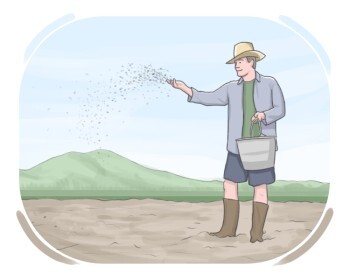
Ex: The agreement brought greater stability to prices. 
Close
Sign in
to farm
to farm
[Verb]

to earn a living by cultivating crops or raising animals for food, goods, or other products

Ex: She decided to farm full-time after years of working in the city. 
Close
Sign in
to shape
to shape
[Verb]

to exert a significant influence on the development, nature, or outcome of something

Ex: Early childhood experiences can shape a person's personality and attitudes later in life. 
Close
Sign in
birthplace

the location where something began, developed, or was first created

Ex: Ancient Greece is often called the birthplace of democracy. 
Close
Sign in
wedge-shaped
wedge-shaped
[Adjective]

having broad surfaces that taper toward a narrow edge or end

Ex: A wedge-shaped stone held the door open. 
Close
Sign in
talented
talented
[Adjective]

possessing a natural skill or ability for something

Ex: She is a talented dancer, known for her grace and precision on stage. 
Close
Sign in
cuneiform
cuneiform
[noun]

one of the earliest known writing systems in human history, characterized by wedge-shaped marks or symbols impressed on clay tablets using a stylus

Close
Sign in
LanGeek
Download LanGeek app