


to occupy a particular amount of space or time

including or consisting of many different types
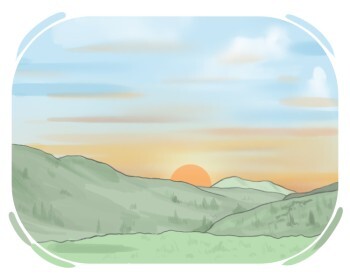
an area of scenery visible in a single view

(of plants) existing and growing densely close together with little space in between, creating a lush and impenetrable area
consisting of, containing, or covered with sand
to do or carry out a method, action, or habit
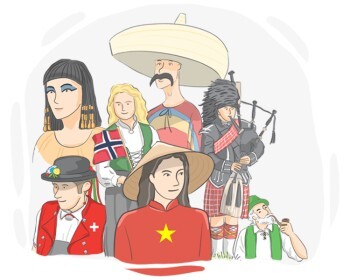
the practice of including people from a range of social, cultural, ethnic, and other backgrounds in a group or organization

far away in distance or position
to depend on someone or something for support and assistance
a social group of families or communities connected by shared ancestry, culture, language, traditions, or leadership
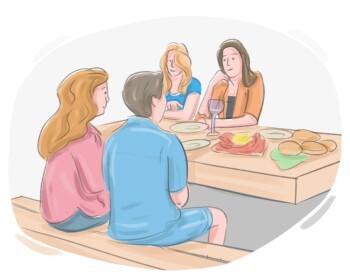
(of people) to form a united group
an inhabitant of a particular area or community
a brief or partial view of someone or something
a person who moves to a new area to live and establish a community
to change one's behavior or habits in order to deal successfully with a new situation or environment
to cultivate land in order to grow crops or raise livestock
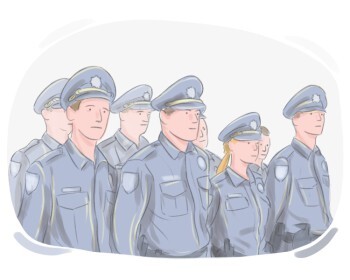
a group of trained and organized people such as the police, soldiers, etc.

(of a country, state, etc.) function without being controlled or influenced by others
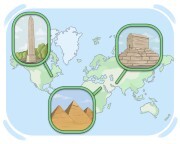
the traditions, customs, achievements, and cultural features passed down through generations within a society or community
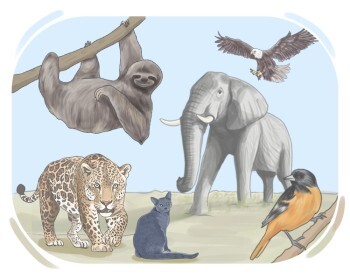
wild animals living freely in their natural environment, considered collectively
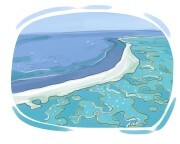
a ridge of rock or a line of sand near the surface of a body of water
found only in small numbers so considered interesting or valuable
any living thing that is able to move on its own, such as an animal, fish, etc.
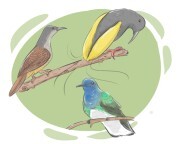
any tropical bird, the male of which is colorful and displays unique courtship skills, originated in Papua New Guinea and Australia
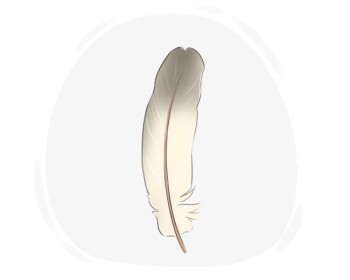
one of the light, flat structures that grow from and cover a bird's body

a unique marsupial adapted to life in the trees, known for its agility, powerful limbs, and ability to leap from tree to tree in rainforests of Australia and Papua New Guinea

a large terrestrial bird with a tall crest that is related to the emu, originated in Australia
flightless birds having flat breastbones lacking a keel for attachment of flight muscles: ostriches; cassowaries; emus; moas; rheas; kiwis; elephant birds
an arboreal marsupial known for its round body, long prehensile tail, and soft fur, found in Australia, New Guinea, and nearby islands
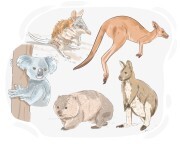
any of the order of mammals that carry their young babies in a pouch, such as kangaroos, found either in Australia or Americas
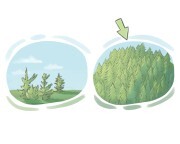
containing plenty of things or people in a small space
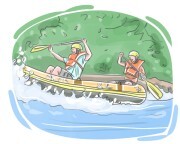
the practice of using a raft to travel with the flow of a river as a sport or hobby
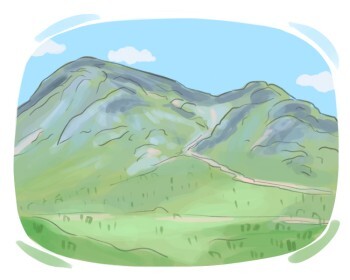
land with mountains or hills

a specific point or location identified relative to surrounding features in an area or region

someone who jumps into a body of water as a sport
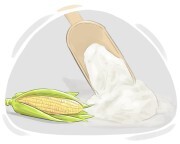
a white carbohydrate food substance that exists in flour, potatoes, rice, etc.
a person who swims near the surface of the water while using a snorkel to breathe
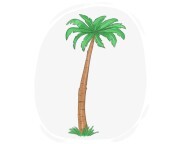
a tall tree with a straight trunk and big leaves at the top that looks like an umbrella
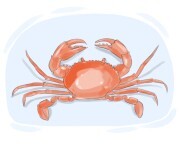
a sea creature with eight legs, two pincers, and a hard shell, which is able to live on land
having a taste like smoke
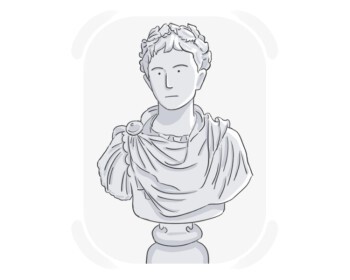
a three-dimensional work of art made by shaping, carving, casting, or otherwise forming material
made or constructed by interlacing threads or strips of material or other elements into a whole

| East Asia and Oceania Vocabulary | |||
|---|---|---|---|
| China | Japan | South Korea | North Korea |
| Mongolia | Taiwan | Fiji | Australia |
| Papua New Guinea | New Zealand | ||
