

pattern

SAT Word Skills 4 - Lesson 3

Review

Flashcards

Spelling

Quiz

Start learning
SAT Word Skills 4
sepulcher
sepulcher
[noun]

a chamber made out of rock, used as a tomb for dead people in the past

Ex: The excavation team plans to carefully open the sepulcher to examine the burial site. 
Close
Sign in
sepulchral
sepulchral
[Adjective]

relating to places where the dead were buried

Ex: The sepulchral atmosphere of the ancient tomb left visitors with a sense of solemn reverence. 
Close
Sign in
to coalesce

to blend different elements together to form a unified whole

Ex: The artist coalesced various colors and textures to create a captivating painting. 
Close
Sign in
coalition
coalition
[noun]

an alliance between two or more countries or between political parties when forming a government or during elections

Ex: The coalition government was formed by two major political parties to ensure stability and consensus on key policy issues. 
Close
Sign in
to coagulate

to change from a liquid to a semi-solid or solid state, often through the process of clotting or curdling

Ex: When making homemade yogurt, the milk begins to coagulate as the live cultures work to thicken it. 
Close
Sign in
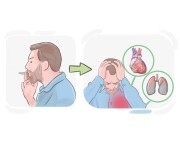
to aggrieve

to cause someone to feel distress or sorrow
Ex: His actions continue to aggrieve her, as she struggles to forgive him for the hurtful words. 
Close
Sign in
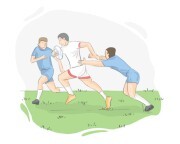
to aggress

to attack or advance forcefully towards the opponent
Ex: The forward decided to aggress the defense early in the game. 
Close
Sign in
to aggravate

to make a problem, situation, or condition worse or more serious

Ex: Ignoring medication can aggravate the symptoms of a chronic illness. 
Close
Sign in
depository

a place for keeping things safe

Ex: The digital archives serve as a depository for millions of historical records, keeping them safe from damage. 
Close
Sign in
depositor
depositor
[noun]

someone who puts money in a bank

Ex: The bank guarantees security for every depositor’s funds, ensuring financial safety. 
Close
Sign in
deposition

removal of someone from a position of authority, especially a leader or monarch

Ex: If the deposition of the dictator succeeds, the country may enter a new era of democracy and reform. 
Close
Sign in
propriety
propriety
[noun]

the way of behaving that is considered to be morally and socially correct and acceptable

Ex: She was known for her propriety at social gatherings. 
Close
Sign in
proprietary
proprietary
[Adjective]

(of a product) having a registered trademark owned by a particular company or person

Ex: After the release of the proprietary product, the company saw a significant increase in sales. 
Close
Sign in
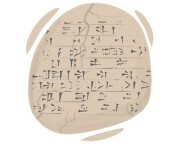
missive
missive
[noun]

a letter which is usually long and official
Ex: The CEO sent out a missive to all employees regarding the upcoming changes in company policy. 
Close
Sign in
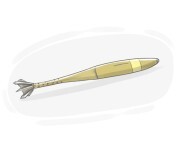
projectile

any object fired or thrown at a person or thing for the purpose of hurting or destroying them

Ex: During the battle, soldiers threw improvised projectiles at the enemy to defend their position. 
Close
Sign in
convention

a formal agreement between countries

Ex: The convention for writing dates in the U.S. is month-day-year. 
Close
Sign in
conventional
conventional
[Adjective]

generally accepted and followed by many people
Ex: In many cultures, it is conventional for brides to wear white dresses on their wedding day. 
Close
Sign in
arcane
arcane
[Adjective]

requiring specialized or secret knowledge to comprehend fully

Ex: The arcane nature of the formula made it difficult for outsiders to grasp. 
Close
Sign in
arcade
arcade
[noun]

an arch-covered passage along the side of a group of buildings

Ex: The old arcade has stood the test of time, with its stone arches providing a historic charm to the modern city. 
Close
Sign in
archive
archive
[noun]

a place or a collection of records or documents of historical importance

Ex: The library's archive contains rare manuscripts and historical documents dating back centuries. 
Close
Sign in
LanGeek
Download LanGeek app