


a type of urban public transport using trains that are smaller and lighter than regular trains, often running on tracks in city streets or on dedicated lines
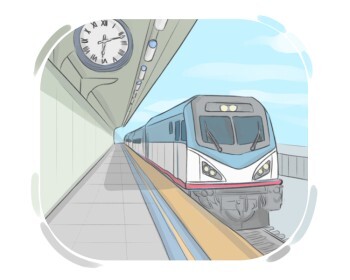
a series of connected carriages that travel on a railroad, often pulled by a locomotive
(of a train) to travel along a track on wheels, carrying passengers or goods
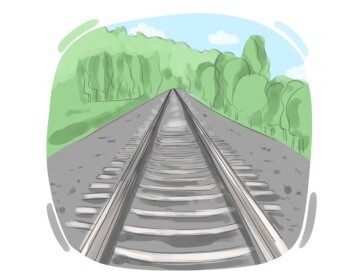
a pair of metal bars that trains use to move
being present, existing, or in circulation in the current time or situation
pulled or powered by a horse or horses
a machine that uses steam made from boiling water to produce power and make parts move
a source of power used for lighting, heating, and operating machines
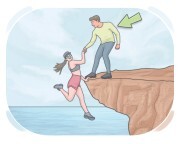
able to be trusted to perform consistently well and meet expectations
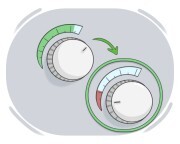
to make something smaller in amount, degree, price, etc.
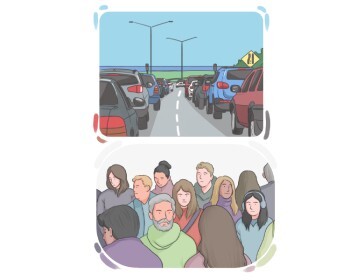
the coming and going of cars, airplanes, people, etc. in an area at a particular time

the natural world around us where people, animals, and plants live
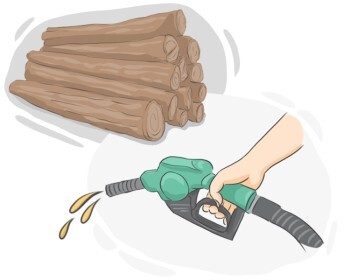
any substance that can produce energy or heat when burned
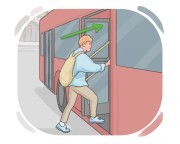
to enter a bus, ship, airplane, etc.
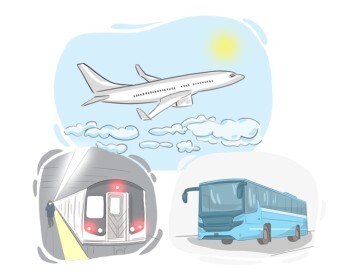
a system or method for carrying people or goods from one place to another by cars, trains, etc.
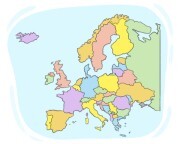
the second smallest continent, next to Asia in the east, the Atlantic Ocean in the west, and the Mediterranean Sea in the south
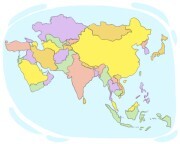
the largest continent in the world
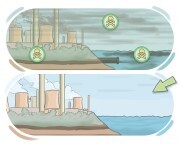
not causing or spreading pollution or contamination, especially radioactive contamination
| Public Transportation Vocabulary | |||
|---|---|---|---|
| Train | Subway | Bus | Taxi |
| Cable Car | Tram | Monorail | Shuttle Bus |
| Trolleybus | Light Rail | High-speed Train | Jeepney |
| Chiva Bus | Funicular | Tuk-tuk | People Mover |
| Airport Shuttle | Matatu | Double-decker Bus | Jitney |
