

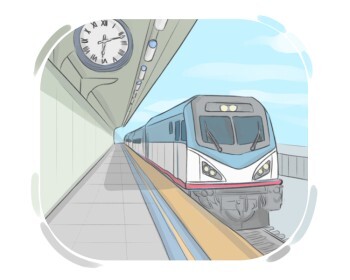
a series of connected carriages that travel on a railroad, often pulled by a locomotive
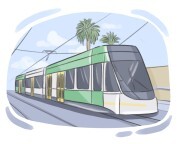
a vehicle that is powered by electricity and moves on rails in a street, used for transporting passengers
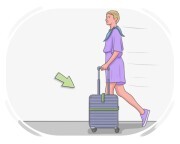
to hold someone or something and take them from one place to another
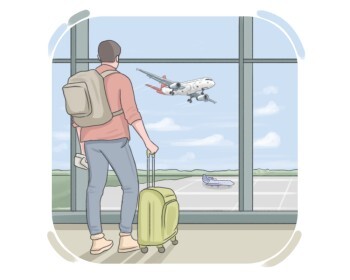
a large place where planes take off and land, with buildings and facilities for passengers to wait for their flights
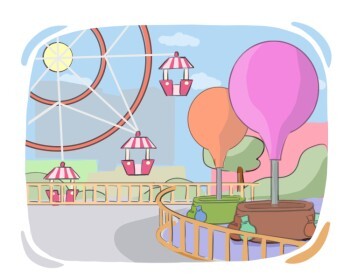
a large park, with machines and games that are all related to a single concept, designed for public entertainment
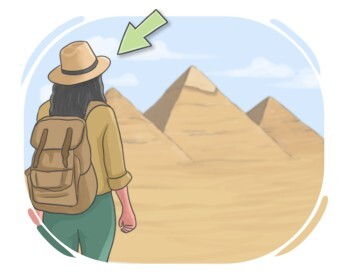
someone who enters a place, such as a building, city, or website, for a particular purpose
providing help when needed

(of a train) to travel along a track on wheels, carrying passengers or goods
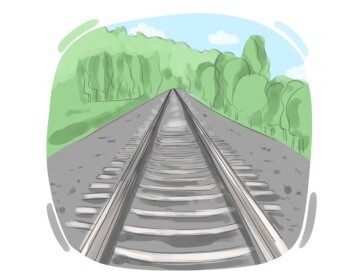
a pair of metal bars that trains use to move
a physical structure that directs and supports the movement of a vehicle, especially in systems like trains, trams, or automated transit
the path or direction along which something moves or travels
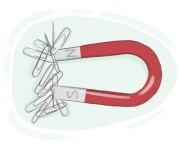
an object that produces an invisible field capable of attracting certain metals without physical contact
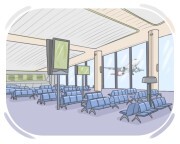
a building where trains, buses, planes, or ships start or finish their journey
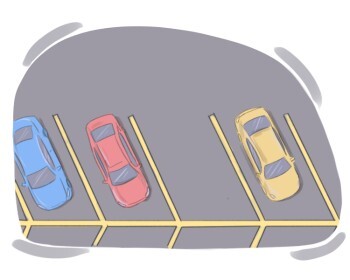
the most commonly used doorway or access point to a building, venue, or enclosed space

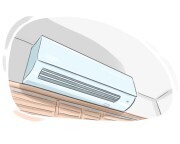
a system that controls the temperature and humidity in a house, car, etc.

the natural world around us where people, animals, and plants live
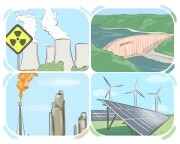
a source of power that can be used to produce heat, light, or to operate different machines
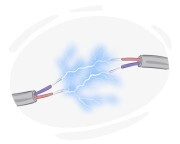
a source of power used for lighting, heating, and operating machines
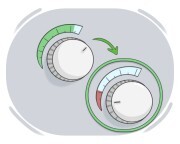
to make something smaller in amount, degree, price, etc.
| Public Transportation Vocabulary | |||
|---|---|---|---|
| Train | Subway | Bus | Taxi |
| Cable Car | Tram | Monorail | Shuttle Bus |
| Trolleybus | Light Rail | High-speed Train | Jeepney |
| Chiva Bus | Funicular | Tuk-tuk | People Mover |
| Airport Shuttle | Matatu | Double-decker Bus | Jitney |
