


a bus that operates using electricity from overhead wires rather than an internal combustion engine
to operate using a specific energy source
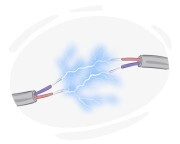
a source of power used for lighting, heating, and operating machines
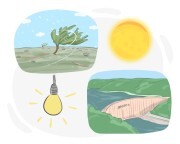
the energy that is obtained through different means, such as electrical or solar, to operate different equipment or machines
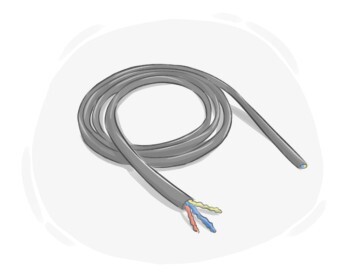
a long and thin piece of metal that carries an electric current
to make or design something that did not exist before
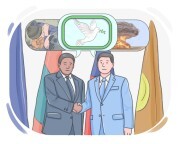
the most important thing that is said or done which highlights the purpose of something
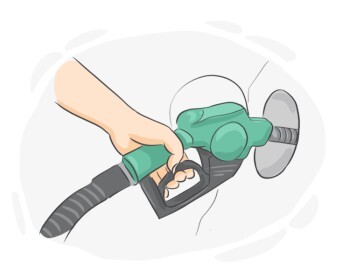
a liquid used by cars, trucks, etc. as a fuel
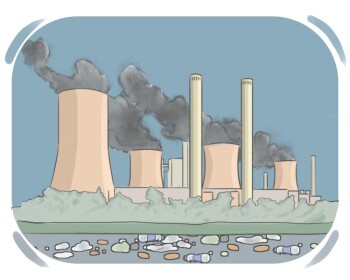
a change in water, air, etc. that makes it harmful or dangerous

the natural world around us where people, animals, and plants live
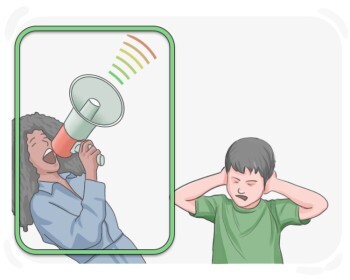
producing or having a lot of loud and unwanted sound
the curve theoretically assumed by a perfectly flexible and inextensible cord of uniform density and cross section hanging freely from two fixed points
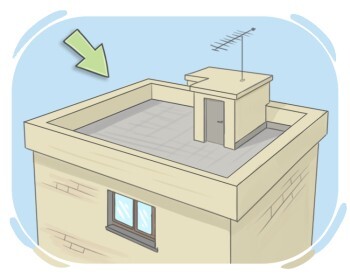
the structure that creates the outer top part of a vehicle, building, etc.
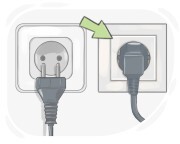
to be joined or linked together
electrical energy used to light, heat, and run devices
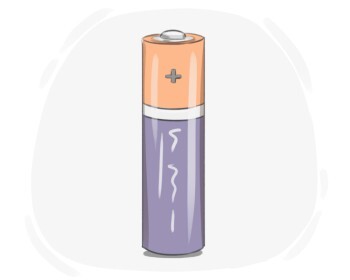
an object that turns chemical energy to electricity to give power to a device or machine
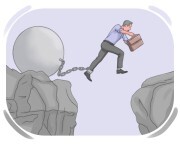
an intangible difficulty or challenge that must be overcome
a disruption or complete loss of electrical supply to a particular area
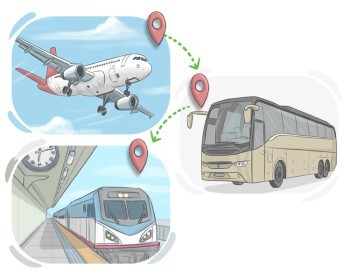
| Public Transportation Vocabulary | |||
|---|---|---|---|
| Train | Subway | Bus | Taxi |
| Cable Car | Tram | Monorail | Shuttle Bus |
| Trolleybus | Light Rail | High-speed Train | Jeepney |
| Chiva Bus | Funicular | Tuk-tuk | People Mover |
| Airport Shuttle | Matatu | Double-decker Bus | Jitney |
