pattern

Cambridge IELTS 15 - Academic - Test 1 - Reading - Passage 1

Here you can find the vocabulary from Test 1 - Reading - Passage 1 in the Cambridge IELTS 15 - Academic coursebook, to help you prepare for your IELTS exam.

Review

Flashcards

Forms

Spelling

Quiz
Start learning
Cambridge IELTS 15 - Academic
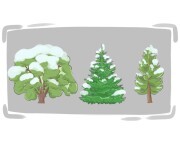
evergreen
evergreen
[Adjective]

(of a plant or shrub) retaining leaves all year round

Ex: Pine trees are evergreen and provide color in winter. 
Close
Sign in
to branch
to branch
[Verb]

to grow or extend new branches from the main trunk or stem of a tree or plant

Ex: In spring, the apple tree begins to branch, producing delicate blossoms that will eventually yield fruit. 
Close
Sign in
foliage
foliage
[noun]

a plant or tree's branches and leaves collectively

Ex: The dense foliage provided a cool shade on a hot day. 
Close
Sign in
to encase
to encase
[Verb]

to surround or cover something completely with a protective structure

Ex: The delicate artifact was carefully encased in a glass display for preservation. 
Close
Sign in
fleshy
fleshy
[Adjective]

(of plant or fruit tissue) soft, juicy, and succulent, often with a high water content

Ex: She plucked a fleshy strawberry from the garden and enjoyed its juicy sweetness. 
Close
Sign in
husk
husk
[noun]

outer membranous covering of some fruits or seeds

Close
Sign in
to split
to split
[Verb]

to separate or divide something along a straight line

Ex: The woodcutter split the large log for firewood. 
Close
Sign in
ridge
ridge
[noun]

any long raised border or margin of a bone or tooth or membrane

Close
Sign in
lacy
lacy
[Adjective]

made of or resembling lace

Close
Sign in
crimson
crimson
[noun]

a deep and vivid red color

Close
Sign in
aril
aril
[noun]

fleshy and usually brightly colored cover of some seeds that develops from the ovule stalk and partially or entirely envelops the seed

Close
Sign in
prized
prized
[Adjective]

considered highly valuable or esteemed
Ex: Her prized accomplishment was winning the prestigious award for her research. 
Close
Sign in
cuisine
cuisine
[noun]

a method or style of cooking that is specific to a country or region

Ex: They sampled a variety of Asian cuisine, including sushi, dim sum, and curry. 
Close
Sign in
flavoring
flavoring
[noun]

a substance or combination of substances used to enhance or impart a specific taste to food or beverages

Ex: The cinnamon flavoring added a warm and aromatic touch to the baked apples. 
Close
Sign in
medicinal
medicinal
[Adjective]

having properties or qualities suitable for treating or curing illnesses or promoting health

Ex: She brewed a cup of medicinal tea to soothe her sore throat. 
Close
Sign in
preservative
preservative
[Adjective]

having the quality or effect of protecting something from decay, damage, or loss

Ex: The preservative coating on the wood kept it from rotting. 
Close
Sign in
agent
agent
[noun]

a substance that exerts some force or effect

Close
Sign in
merchant
merchant
[noun]

someone who buys and sells goods wholesale

Ex: The merchant traveled across the seas to trade spices and silk with distant lands. 
Close
Sign in
to reveal
to reveal
[Verb]

to make information that was previously unknown or kept in secrecy publicly known
Ex: In her memoir, the author courageously revealed her struggles with mental illness. 
Close
Sign in
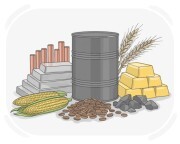
commodity
commodity
[noun]

(economics) an unprocessed material that can be traded in different exchanges or marketplaces

Ex: Oil has long been a highly valued commodity on the global market, influencing economies and politics. 
Close
Sign in
venetian
venetian
[Adjective]

of or relating to or characteristic of Venice or its people

Close
Sign in
dominance
dominance
[noun]

the state of having superiority over another party in terms of power, knowledge, influence, etc.

Close
Sign in
to exploit

to utilize or take full advantage of something, often resources, opportunities, or skills

Ex: The innovative chef knew how to exploit the diverse flavors of exotic spices to create unique and delightful dishes. 
Close
Sign in
to subcontract

arranged for contracted work to be done by others

Close
Sign in
trader
trader
[noun]

someone whose job is selling or buying shares, goods, or currencies

Ex: He works as a stock trader, buying and selling shares on behalf of clients. 
Close
Sign in
to flow
to flow
[Verb]

to be present or available in large amounts

Ex: Donations for the charity flowed in after the event, exceeding expectations. 
Close
Sign in
commercial
commercial
[Adjective]

related to the purchasing and selling of different goods and services

Ex: Commercial transactions involve the exchange of goods or services for money. 
Close
Sign in
fleet
fleet
[noun]

a group of aircraft belonging to and operated by the same company or organization

Ex: The airline expanded its fleet with new long-range jets. 
Close
Sign in
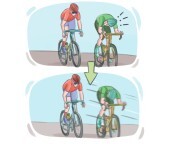
swiftly
swiftly
[Adverb]

in a quick or immediate way

Ex: The gazelle moved swiftly to evade the approaching predator. 
Close
Sign in
to lock out

to exclude someone or something from participation or access

Ex: People with criminal records are often locked out of the job market due to discrimination and hiring biases. 
Close
Sign in
to soar
to soar
[Verb]

to increase rapidly to a high level

Ex: The price of Bitcoin soared to an all-time high last week. 
Close
Sign in
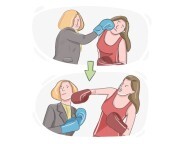
to fight back

to resist or defend oneself against an attack or challenge, often by taking action to counter the aggression or difficulty
Ex: Despite the challenges, she decided to fight back and overcome the obstacles in her path. 
Close
Sign in
to found
to found
[Verb]

to create or establish an organization or place, especially by providing the finances
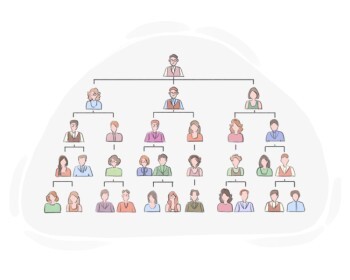
Ex: The university was founded in the early 1900s. 
Close
Sign in
corporation

a company or group of people that are considered as a single unit by law

Ex: The corporation expanded its operations into international markets last year. 
Close
Sign in
operation
operation
[noun]

a business especially one run on a large scale

Close
Sign in
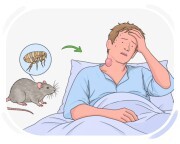
plague
plague
[noun]

a dangerous disease spread by rats that causes fever and swellings, often kills if infected
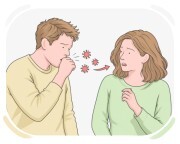
Ex: The plague, also known as the Black Death, is a deadly infectious disease caused by the bacterium Yersinia pestis. 
Close
Sign in
contagious
contagious
[Adjective]

(of a disease) transmittable from one person to another through close contact

Ex: COVID-19 is highly contagious, spreading easily among individuals in crowded places. 
Close
Sign in
desperate
desperate
[Adjective]

(of people) behaving dangerously or aggressively due to the circumstances

Ex: The police issued a warning about a desperate fugitive who was considered armed and dangerous. 
Close
Sign in
short
short
[Adjective]

lacking a sufficient amount of something in general

Ex: The report was short on facts and figures. 
Close
Sign in
sultan
sultan
[noun]

the ruler of a Muslim country, especially in the former Ottoman Empire

Ex: The sultan held great power over his empire. 
Close
Sign in
to maintain

to make something stay in the same state or condition

Ex: The janitor regularly maintains cleanliness in the office by cleaning and organizing. 
Close
Sign in
neutral
neutral
[Adjective]

not favoring either side in a conflict, competition, debate, etc.

Ex: It’s important to keep a neutral tone when discussing sensitive topics. 
Close
Sign in
presence
presence
[noun]

the state of being present; current existence

Close
Sign in
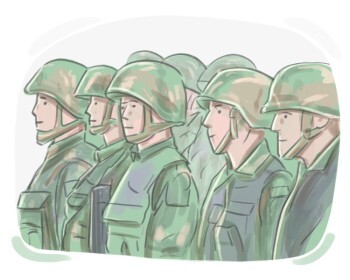
troop
troop
[noun]

armed forces or soldiers, especially by large numbers

Ex: The general deployed an elite troop to the front lines to bolster the defensive positions. 
Close
Sign in
invader
invader
[noun]

a person or group that enters a place by force to take control

Ex: The invader crossed the border at night. 
Close
Sign in
to take over

to gain control or possession of something through force, effort, or strategy

Ex: The new CEO plans to take the company over and implement significant changes. 
Close
Sign in
investment

something purchased with the expectation that it will become more valuable or useful over time

Ex: The artwork was an investment that paid off after a few years. 
Close
Sign in
to concentrate

to bring people or things together in one place

Ex: The event organizers concentrated all the volunteers in the main hall. 
Close
Sign in
to uproot
to uproot
[Verb]

to remove something, such as a plant or tree, by pulling it completely out of the ground
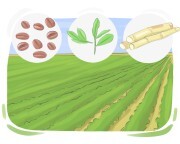
Ex: They uprooted the old tree to make space for a new playground. 
Close
Sign in
plantation

a large piece of land used for growing sugar cane, coffee, tea, etc., particularly in a hot country

Ex: The plantation produced large quantities of sugarcane for export. 
Close
Sign in
zone
zone
[noun]

a specific area with unique characteristics
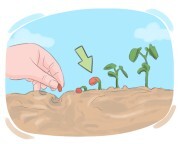
Ex: This park has a zone for picnics and another for sports. 
Close
Sign in
seedling
seedling
[noun]

a young plant that develops from a seed, typically in the early stages of growth after germination

Ex: The gardeners planted seedlings in the greenhouse to prepare them for transplantation. 
Close
Sign in
authority
authority
[noun]

official permission, sanction, or approval

Ex: You need authority to access the restricted area. 
Close
Sign in
lime
lime
[noun]

a white or gray powder made by heating certain types of rocks and is commonly used in building materials, making soil less acidic, or treating water
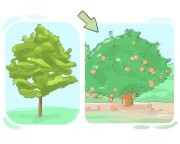
Ex: Lime was added to the soil to help crops grow better. 
Close
Sign in
fertile
fertile
[Adjective]

(of an animal, person, or plant) able to produce offspring, fruit, or seed

Ex: She learned that some plants are more fertile in certain climates. 
Close
Sign in
sliver
sliver
[noun]

a thin fragment or slice (especially of wood) that has been shaved from something

Close
Sign in
compromise

a middle state between two opposing situations that is reached by slightly changing both of them, so that they can coexist

Ex: They reached a compromise by agreeing to share responsibilities equally. 
Close
Sign in
settlement

an official agreement that puts an end to a dispute

Ex: The two companies reached a settlement that resolved the patent infringement lawsuit. 
Close
Sign in
treaty
treaty
[noun]

an official agreement between two or more governments or states
Ex: The two countries signed a peace treaty to end decades of conflict and establish diplomatic relations. 
Close
Sign in
intent
intent
[Adjective]

having a strong resolve or determination to achieve a particular goal or outcome

Ex: She was intent on finishing the project before the deadline. 
Close
Sign in
to secure
to secure
[Verb]

to reach or gain a particular thing, typically requiring significant amount of effort

Ex: After months of negotiations, they finally secured a contract with the new client. 
Close
Sign in
hold
hold
[noun]

influence or control over something or someone

Ex: Fear had a strong hold on the community. 
Close
Sign in
in turn
in turn
[Adverb]

in a sequential manner, referring to actions or events occurring in a specific order

Ex: Each participant presented their findings in turn during the conference. 
Close
Sign in
monopoly
monopoly
[noun]

a situation in which one organization or entity exclusively controls the production, distribution, or trade of a product or service, making other rivals unable to compete

Ex: Many indie bookstores face challenges in a landscape dominated by the monopoly of major online retailers. 
Close
Sign in
to smuggle

to move goods or people illegally and secretly into or out of a country

Ex: Border patrol intercepted a group trying to smuggle undocumented migrants into the country. 
Close
Sign in
to thrive
to thrive
[Verb]

(of an animal, child, or plant) to grow with strength, health, or energy
Ex: The baby thrived in the loving and supportive care of her family. 
Close
Sign in
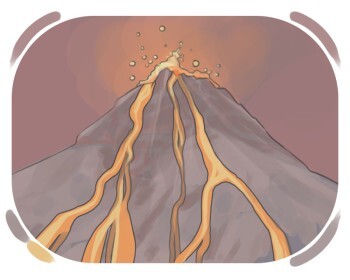
volcanic eruption

the sudden release of lava, gases, and ash from a volcano

Ex: The volcanic eruption sent ash clouds high into the sky. 
Close
Sign in
to wipe out

to completely remove or destroy something so that it no longer exists

Ex: The rapid industrialization of the region wiped out the natural resources in a matter of years. 
Close
Sign in
grove
grove
[noun]

a small group of trees planted closely together, often cultivated for their ornamental value or fruit production
Ex: The olive grove stretched across the hillside, producing a bounty of fruits each year. 
Close
Sign in
to seize
to seize
[Verb]

to suddenly and forcibly take hold of something

Ex: In a panic, she reached out to seize her falling phone before it hit the ground. 
Close
Sign in
to transplant

to remove a plant from its original place and replant it somewhere else

Ex: Gardeners often transplant young seedlings from the nursery to the garden beds for better growth and spacing. 
Close
Sign in
tonne
tonne
[noun]

a unit of weight equivalent to 1000 kilograms

Close
Sign in
nation
nation
[noun]

a country considered as a group of people that share the same history, language, etc., and are ruled by the same government

Ex: France is a nation known for its art, cuisine, and strong sense of national identity. 
Close
Sign in
to cultivate

to grow plants or crops, especially for farming or commercial purposes

Ex: The farm cultivates wheat to supply local bakeries. 
Close
Sign in
to [spare] no expense

to spend as much money as needed to get the best result without trying to save money

Ex: They spare no expense when it comes to quality. 
Close
Sign in
LanGeek
Download LanGeek app