

pattern

Nepravidelná Slova - Nepravidelná množná čísla z řečtiny

Revize

Kartičky

Pravopis

Kvíz

Začněte se učit
Categorized English Irregular Words
analysis
analysis
[Podstatné jméno]

a methodical examination of the whole structure of something and the relation between its components

analýza, metodické zkoumání

analýza, metodické zkoumání

Ex: The financial analysis revealed the strengths and weaknesses of the company's budget. 
antithesis
antithesis
[Podstatné jméno]

the direct opposite or contrasting counterpart to something

antiteze, protiklad

antiteze, protiklad

Ex: Dark is the antithesis of light, just as ignorance is the antithesis of knowledge. 

Protiklad tmy je světlo, stejně jako nevědomost je protikladem vědění.
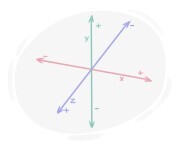
axis
axis
[Podstatné jméno]

a straight line that defines the symmetry or structure of a figure or object

osa, osa symetrie

osa, osa symetrie

Ex: In geometry, an axis helps describe orientation and symmetry. 

V geometrii pomáhá osa popsat orientaci a symetrii.

basis
basis
[Podstatné jméno]

the underlying principles that serve as the foundation upon which something is initiated, developed, calculated, or explained

základ, báze

základ, báze

Ex: The policy decision was made on the basis of historical trends and current socioeconomic research. 

Politické rozhodnutí bylo učiněno na základě historických trendů a současného socioekonomického výzkumu.
crisis
crisis
[Podstatné jméno]

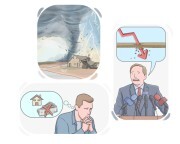
a period of serious difficulty or danger that requires immediate action

krize, nouzová situace
krize, nouzová situace

Ex: The country faced a severe economic crisis. 
criteria
criteria
[Podstatné jméno]

the particular characteristics that are considered when evaluating something

kritéria, parametry

kritéria, parametry

Ex: The criteria for this research study include patient age and medical history. 
diagnosis
diagnosis
[Podstatné jméno]

the identification of an illness, condition, or other problem by examining its signs, symptoms, or causes

diagnóza, diagnostika

diagnóza, diagnostika

Ex: Further tests were needed before the doctors could make a final diagnosis. 
ellipsis
ellipsis
[Podstatné jméno]

(grammar) the act of omitting a word or words from a sentence, when the meaning is complete and the omission is understood from the context

elipsa, vynechání

elipsa, vynechání

Ex: The reporter used ellipses to omit irrelevant details from the interview transcript. 

Reportér použil tři tečky k vynechání nepodstatných detailů z přepisu rozhovoru.

emphasis
emphasis
[Podstatné jméno]

special importance given to something over other items or considerations

důraz, zdůraznění

důraz, zdůraznění

Ex: The speaker placed emphasis on job creation and economic growth as the key priorities for their policy agenda. 

Řečník kladl důraz na tvorbu pracovních míst a hospodářský růst jako klíčové priority své politické agendy.

hypothesis
hypothesis
[Podstatné jméno]

a proposed explanation for a situation or set of facts that has not yet been proved

hypotéza,  domněnka

hypotéza, domněnka

Ex: He proposed a hypothesis to explain the unusual pattern. 
neurosis
neurosis
[Podstatné jméno]

a mental condition that is not caused by organic disease in which one is constantly anxious, worried, and stressed

neuróza, neurotická porucha

neuróza, neurotická porucha

Ex: Symptoms of neurosis can include persistent feelings of sadness, irritability, and fear, often without a clear or rational cause. 

Příznaky neurózy mohou zahrnovat přetrvávající pocity smutku, podrážděnosti a strachu, často bez jasné nebo racionální příčiny.

paralysis
paralysis
[Podstatné jméno]

a complete or partial loss of the ability to move and feel different parts of one's body, mainly caused by disease or an injury to the nerves

ochrnutí

ochrnutí

parenthesis
parenthesis
[Podstatné jméno]

either of the symbols ( ) used in writing to enclose extra information that is given or to group a symbolic unit in logic or mathematics

závorka, závorka

závorka, závorka

Ex: The sentence was interrupted by a thought in parenthesis (a common occurrence in informal writing). 

Věta byla přerušena myšlenkou v závorkách (běžný jev v neformálním psaní).

phylum
phylum
[Podstatné jméno]

(biology) a taxonomic category between a class and a kingdom

kmen, phylum

kmen, phylum

synopsis
synopsis
[Podstatné jméno]

a brief summary or overview of the plot, characters, and major events of a book, movie, or other narrative work

synopse, shrnutí

synopse, shrnutí

synthesis
synthesis
[Podstatné jméno]

the process of combining different ideas, information, or elements into a coherent whole

syntéza

syntéza

Ex: Effective research often involves the synthesis of information from many sources. 
thesis
thesis
[Podstatné jméno]

a long piece of academic writing based on research, submitted as part of a university degree

disertační práce,  diplomová práce

disertační práce, diplomová práce

Ex: The professor supervised several students working on their theses. 
criterion
criterion
[Podstatné jméno]

a standard model which one uses as a reference when judging something

kritérium, referenční model

kritérium, referenční model

Ex: Quality should be the criterion against which each product is measured. 
phenomenon
phenomenon
[Podstatné jméno]

an observable fact, event, or situation, often unusual or not yet fully explained

jev, pozorovatelný fakt

jev, pozorovatelný fakt

Ex: The comet's appearance was an extraordinary phenomenon. 
LanGeek
Stáhnout aplikaci LanGeek