pattern

Cuvinte Neregulate - Plurale neregulate de origine greacă

Revizuire

Fișe de studiu

Ortografie

Chestionar

Începe să înveți
Categorized English Irregular Words
analysis
analysis
[substantiv]

a methodical examination of the whole structure of something and the relation between its components

analiză, examinare metodologică

analiză, examinare metodologică

Ex: The scientist's detailed analysis of the data led to a groundbreaking discovery. 
Închide
Conectare
antithesis
antithesis
[substantiv]

the direct opposite or contrasting counterpart to something

anteză, opus

anteză, opus

Ex: Whereas optimism sees possibilities, pessimism is more or less its antithesis of always anticipating the worst. 

În timp ce optimismul vede posibilități, pesimismul este mai mult sau mai puțin antiteza sa, anticipând întotdeauna ce este mai rău.
Închide
Conectare
axis
axis
[substantiv]

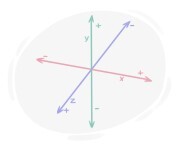
a straight line that defines the symmetry or structure of a figure or object

axă, axă de simetrie

axă, axă de simetrie

Ex: The artist drew an axis to guide the proportions of the face. 

Artistul a desenat o axă pentru a ghida proporțiile feței.

Închide
Conectare
basis
basis
[substantiv]

the underlying principles that serve as the foundation upon which something is initiated, developed, calculated, or explained

fundament, bază

fundament, bază

Ex: The researcher built his theory on the basis of numerous experiments and verifiable data. 

Cercetătorul și-a construit teoria pe baza numeroaselor experimente și a datelor verificabile.
Închide
Conectare
crisis
crisis
[substantiv]

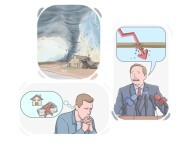
a period of serious difficulty or danger that requires immediate action

criză, situație de urgență
criză, situație de urgență

Ex: During times of crisis, it's essential to remain calm and focused in order to effectively manage the situation and ensure the safety of those involved. 
Închide
Conectare
criteria
criteria
[substantiv]

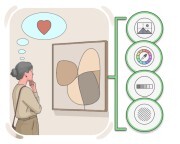
the particular characteristics that are considered when evaluating something

criterii, parametri
criterii, parametri

Ex: The criteria for choosing the winner of the art contest are creativity and technique. 
Închide
Conectare
diagnosis
diagnosis
[substantiv]

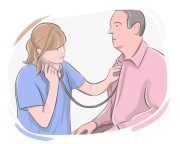
the identification of an illness, condition, or other problem by examining its signs, symptoms, or causes

diagnostic, diagnoză

diagnostic, diagnoză

Ex: The doctor confirmed the diagnosis after reviewing the test results. 
Închide
Conectare
ellipsis
ellipsis
[substantiv]

(grammar) the act of omitting a word or words from a sentence, when the meaning is complete and the omission is understood from the context

elipsă, omisiune

elipsă, omisiune

Ex: The author used an ellipsis to suggest a pause or unfinished thought in the dialogue. 

Autorul a folosit punctele de suspensie pentru a sugera o pauză sau un gând neterminat în dialog.

Închide
Conectare
emphasis
emphasis
[substantiv]

special importance given to something over other items or considerations

accent, importanță

accent, importanță

Ex: In her closing argument, the lawyer underscored the emphasis that should be given to the eyewitness testimony over other alleged evidence. 

În argumentul său final, avocatul a subliniat accentul care ar trebui acordat mărturiei oculare față de alte dovezi pretinse.

Închide
Conectare
hypothesis
hypothesis
[substantiv]

a proposed explanation for a situation or set of facts that has not yet been proved

ipoteză,  presupunere

ipoteză, presupunere

Ex: One hypothesis is that the decline was caused by changing consumer habits. 
Închide
Conectare
neurosis
neurosis
[substantiv]

a mental condition that is not caused by organic disease in which one is constantly anxious, worried, and stressed

neuroză, tulburare nevrotică

neuroză, tulburare nevrotică

Ex: Neurosis often manifests as chronic anxiety, obsessive behaviors, or phobias that interfere with daily functioning. 

Neuroza se manifestă adesea ca anxietate cronică, comportamente obsessive sau fobii care interferează cu funcționarea zilnică.
Închide
Conectare
paralysis
paralysis
[substantiv]

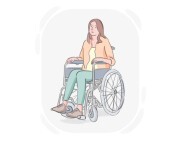
a complete or partial loss of the ability to move and feel different parts of one's body, mainly caused by disease or an injury to the nerves

paralizie

paralizie

Închide
Conectare
parenthesis
parenthesis
[substantiv]

either of the symbols ( ) used in writing to enclose extra information that is given or to group a symbolic unit in logic or mathematics

paranteză, paranteză

paranteză, paranteză

Ex: In mathematics, a parenthesis is used to group numbers or operations together, as in (3 + 5) × 2. 

În matematică, o paranteză este utilizată pentru a grupa numere sau operații, ca în (3 + 5) × 2.

Închide
Conectare
phylum
phylum
[substantiv]

(biology) a taxonomic category between a class and a kingdom

încrengătură, phylum

încrengătură, phylum

Închide
Conectare
synopsis
synopsis
[substantiv]

a brief summary or overview of the plot, characters, and major events of a book, movie, or other narrative work

sinopsis, rezumat

sinopsis, rezumat

Închide
Conectare
synthesis
synthesis
[substantiv]

the process of combining different ideas, information, or elements into a coherent whole

sinteză

sinteză

Ex: The report is based on a synthesis of findings from several studies. 
Închide
Conectare
thesis
thesis
[substantiv]

a long piece of academic writing based on research, submitted as part of a university degree

teză,  lucrare de diplomă

teză, lucrare de diplomă

Ex: Emma is writing her thesis on renewable energy. 
Închide
Conectare
criterion
criterion
[substantiv]

a standard model which one uses as a reference when judging something

criteriu, model de referință

criteriu, model de referință

Ex: The four-cylinder engine serves as the criterion when deciding the performance level of compact cars. 
Închide
Conectare
phenomenon
phenomenon
[substantiv]

an observable fact, event, or situation, often unusual or not yet fully explained

fenomen, fapt observabil

fenomen, fapt observabil

Ex: The spread of the disease became a global phenomenon. 
Închide
Conectare
LanGeek
Descarcă aplicația LanGeek