
Kniha English File – Základní - Lekce 7A
Zde najdete slovní zásobu z Lekce 7A v učebnici English File Elementary, jako "vynálezce", "román", "zpívat" atd.
Revize
Kartičky
tvary
Pravopis
Kvíz
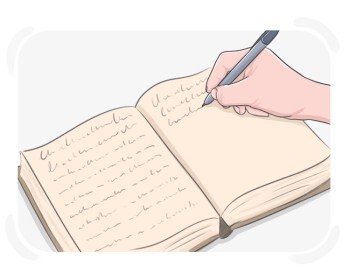
to make letters, words, or numbers on a surface, usually on a piece of paper, with a pen or pencil

psát
Můžete napsat svou adresu na tento formulář?
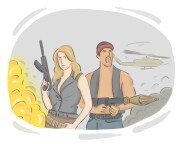
to play or perform a role in a play, movie, etc.
hrát, zahrát
Ve filmu bude talentovaná herečka hrát roli odhodlaného detektiva, který řeší složitý případ.
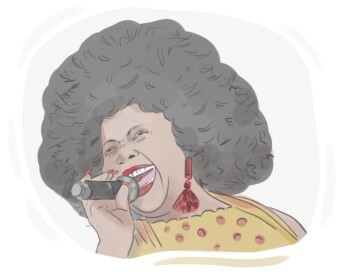
to use one's voice in order to produce musical sounds in the form of a tune or song
zpívat
Zpěvák zpíval blues s velkým citem.

to cover a surface or object with a colored liquid, usually for decoration
malovat, natírat
Rozhodli se natřít vnější část svého domu veselou žlutou barvou.
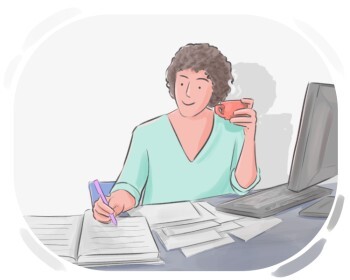
to write a literary piece with a lot of consideration
složit, psát
V tiché knihovně se posadila, aby složila promyšlený dopis svému dávno ztracenému příteli.

to write a musical piece
skládat, psát
Požádali ji, aby složila skladbu pro nadcházející koncert.
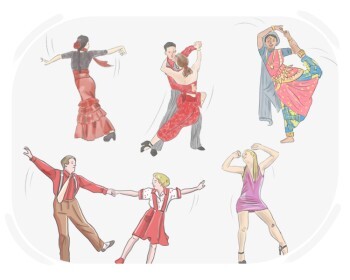
to move the body to music in a special way
tančit
Během karnevalu všichni tančili v ulicích.

to give instructions to actors and organize the scenes or flow of a movie, play, etc.
režírovat, řídit
Během zkoušek se režisér soustředil na režírování pohybů a výrazů herců, aby vyjádřil zamýšlené emoce.
to make or design something that did not exist before
vynalézt, vytvořit
Do roku 2030 mohou vědci vynalézt lék na tuto nemoc.
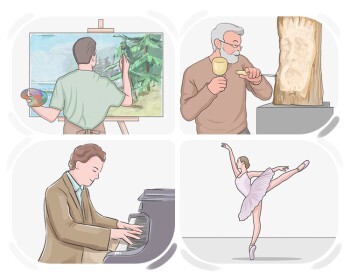
the use of creativity and imagination to express emotions and ideas by making things like paintings, sculptures, music, etc.
umění
Balet je umění, které krásným způsobem spojuje pohyb a hudbu.

a long written story that usually involves imaginary characters and places
román, kniha
Thrillerový román mě udržel vzhůru celou noc, nemohl jsem ho odložit.
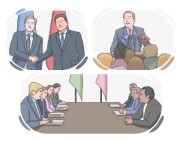
a set of ideas and activities involved in governing a country, state, or city
politika
Přednáška profesora o americké politice pokryla historický vývoj jejích politických stran.
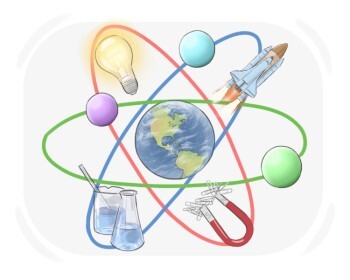
knowledge about the structure and behavior of the natural and physical world, especially based on testing and proving facts
věda
Zkoumáme různé obory vědy, jako je chemie a astronomie.
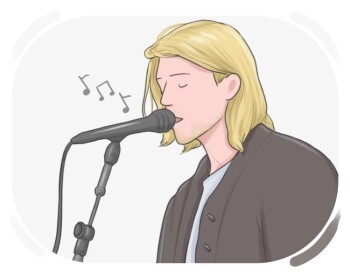
someone whose job is to use their voice for creating music
zpěvák, zpěvačka
Zpěvačka předvedla své populární písně na hudebním festivalu.
someone whose job involves writing articles, books, stories, etc.
spisovatel, autor
Spisovatel podepisoval knihy pro své fanoušky na akci.
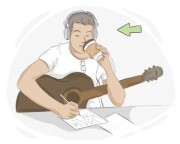
a person who writes music as their profession
skladatel, autor hudby
Obdivovala schopnost skladatele bezproblémově míchat různé hudební styly.
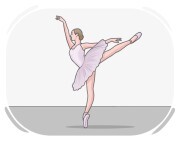
someone whose profession is dancing
tanečník, tanečnice
Je to zkušený lidový tanečník a vystupoval na mnoha kulturních festivalech.
a person in charge of a movie or play who gives instructions to the actors and staff
režisér
Pracuje se známým režisérem na svém dalším filmu.
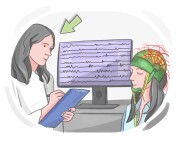
someone who makes or designs something that did not exist before
vynálezce, tvůrce
Alexander Graham Bell, vynálezce telefonu, navždy změnil způsob, jakým lidé komunikují na velké vzdálenosti.
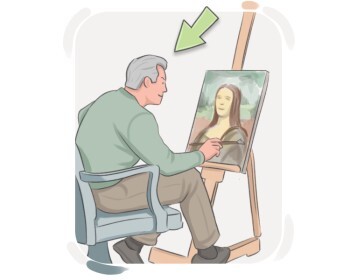
someone who creates drawings, sculptures, paintings, etc. either as their job or hobby
umělec, malíř
Pouliční umělec kreslil portréty pro kolemjdoucí.
a writer who explores characters, events, and themes in depth through long narrative stories, particularly novels
romanopisec, spisovatel
Čerpá často inspiraci z vlastních životních zkušeností, aby vytvořila přesvědčivé postavy jako romanopisec.
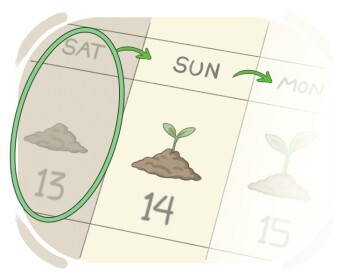
the 24-hour period immediately preceding the current day
včera, předchozí den
Uchovala si včerejší noviny pro kupóny.
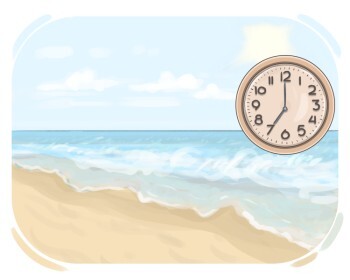
the time of day that is between when the sun starts to rise and the middle of the day at twelve o'clock
ráno, dopoledne
Mám ranní rutinu, která zahrnuje čištění zubů a oblékání.
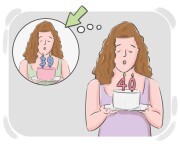
immediately preceding the present time
poslední, předchozí
Viděl jsi zprávy o bouři, která udeřila včera v noci?
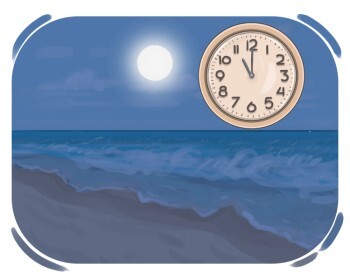
the time when the sun goes down, it gets dark outside, and we sleep
noc, večer
Rád si čtu knihu před spaním v noci.
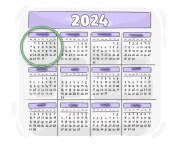
each of the twelve named divisions of the year, like January, February, etc.
měsíc
Rád si na začátku každého měsíce stanovuji cíle.
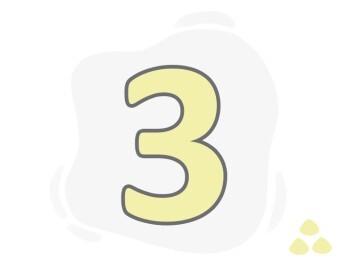
the number 3
tři, číslo tři
Mám tři oblíbené barvy: červenou, modrou a zelenou.
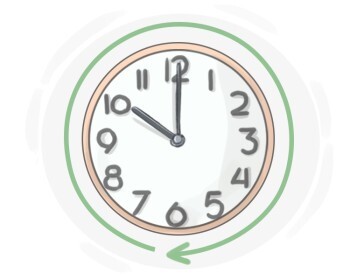
a period of time that is made up of twenty-four hours
den
Rád si večer dám šálek čaje, abych se po dlouhém dni uvolnil.

the number 5
pět, číslo pět
Pro náš skupinový projekt potřebujeme pět tužek.
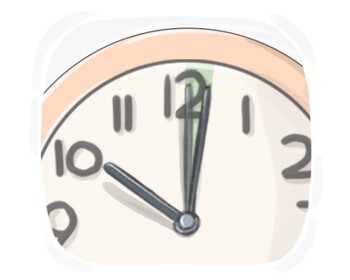
each of the sixty parts that creates one hour and is made up of sixty seconds
minuta
Rád si dám krátkou přestávku každých 30 minut studia.
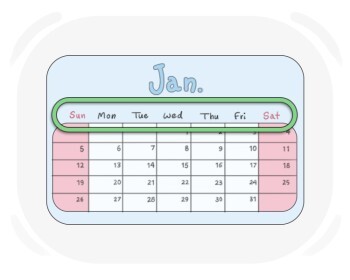
a period of time that is made up of seven days in a calendar
týden
Snaží se cvičit alespoň třikrát týdně.
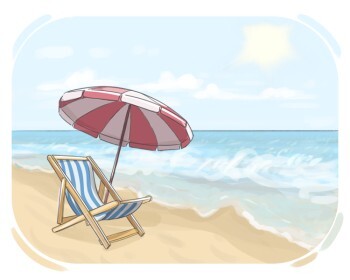
the season that comes after spring and in most countries summer is the warmest season
léto, letní období
Léto je období pro venkovní koncerty a festivaly.
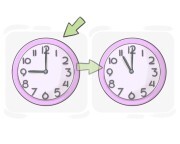
at an earlier point in time
dříve, předtím
Už jste se mě na tuto otázku dříve ptal.
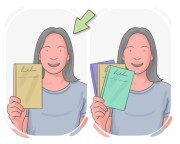
used when we want to talk about a person or thing for the first time or when other people may not know who or what they are
jeden, jedna
Byli nadšení, že viděli padající hvězdu na obloze.
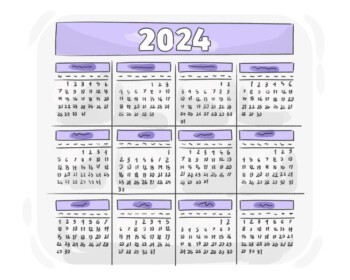
a period of time that is made up of twelve months, particularly one that starts on January first and ends on December thirty-first
rok, léto
Těším se na nový rok a příležitosti, které může přinést.

used to state how long it will be until something happens
v
Večeře bude hotová za půl hodiny.
