
pattern

Klíčová slovní zásoba alkoholických nápojů - Beer

Revize

Kartičky

tvary

Pravopis

Kvíz

Začněte se učit
Key Alcoholic Drinks Vocabulary
beer
beer
[Podstatné jméno]

a drink that is alcoholic and made from different types of grain

pivo

pivo

Ex: The Oktoberfest celebration featured traditional German beers, delighting the attendees .

Oslavy Oktoberfestu představily tradiční německá piva, čímž potěšily účastníky.

favorite
favorite
[Přídavné jméno]

liked or preferred the most among the rest that are from the same category

oblíbený, preferovaný

oblíbený, preferovaný

Ex: The local park is a favorite for families to picnic and play.

Místní park je oblíbeným místem pro rodiny, které chtějí piknikovat a hrát si.

drink
drink
[Podstatné jméno]

any liquid that we can drink

nápoj, pití

nápoj, pití

Ex: The menu featured a variety of drinks, from cocktails to soft drinks .

Nabídka obsahovala různé nápoje, od koktejlů po nealkoholické nápoje.

to drink
to drink
[sloveso]

to put water, coffee, or other type of liquid inside of our body through our mouth

pít

pít

Ex: My parents always drink orange juice for breakfast .

Moji rodiče vždy pijí pomerančový džus k snídani.

around the (world|globe)

in many different countries and regions of Earth

Ex: Her music is appreciated by fans all around the world.
water
water
[Podstatné jméno]

a liquid with no smell, taste, or color, that falls from the sky as rain, and is used for washing, cooking, drinking, etc.

voda

voda

Ex: The swimmer jumped into the pool and splashed water everywhere .

Plavec skočil do bazénu a všude rozstříkal vodu.

barley
barley
[Podstatné jméno]

a single seed or grain of the cereal plant barley

zrno ječmene, ječmen

zrno ječmene, ječmen

Ex: The soup included a handful of barley for texture .

Polévka obsahovala hrst ječmene pro texturu.

hops
hops
[Podstatné jméno]

twining perennials having cordate leaves and flowers arranged in conelike spikes; the dried flowers of this plant are used in brewing to add the characteristic bitter taste to beer

chmel, chmelové šištice

chmel, chmelové šištice

yeast
yeast
[Podstatné jméno]

a type of fungus capable of converting sugar into alcohol and carbon dioxide, used in making alcoholic drinks and bread swell

kvasnice, ferment

kvasnice, ferment

Ex: I need to activate the yeast by dissolving it in warm water before adding it to the bread dough .

Potřebuji aktivovat kvasnice rozpuštěním v teplé vodě před přidáním do těsta na chléb.

ingredient
ingredient
[Podstatné jméno]

a food item that forms part of a recipe or culinary mixture

přísada, složka

přísada, složka

Ex: Each ingredient was carefully weighed before mixing .

Každá složka byla před smícháním pečlivě zvážena.

to mix
to mix
[sloveso]

to combine two or more distinct substances or elements to form a unified whole

míchat, smíchat

míchat, smíchat

Ex: The baker diligently mixed the batter to ensure a smooth and uniform texture for the cake .

Pekař pečlivě smíchal těsto, aby zajistil hladkou a jednotnou texturu dortu.

to sit
to sit
[sloveso]

to be or remain in a specific state or position

zůstat, pobývat

zůstat, pobývat

Ex: The old barn has sat empty for decades , slowly succumbing to decay .

Stará stodola stála prázdná po desetiletí, pomalu podléhající zkáze.

process
process
[Podstatné jméno]

a specific course of action that is performed in order to accomplish a certain objective

proces, postup

proces, postup

Ex: The scientific process involves observation , hypothesis , experimentation , and analysis .

Vědecký proces zahrnuje pozorování, hypotézu, experimentování a analýzu.

alcohol
alcohol
[Podstatné jméno]

any drink that can make people intoxicated, such as wine, beer, etc.

alkohol

alkohol

Ex: He prefers wine over other types of alcohol.

Upřednostňuje víno před jinými druhy alkoholu.

flavor
flavor
[Podstatné jméno]

the specific taste that a type of food or drink has

chuť, aroma

chuť, aroma

Ex: The flavor of the soup was enhanced with fresh herbs .

Chuť polévky byla zvýrazněna čerstvými bylinkami.

early
early
[Přídavné jméno]

existed or happened a time long ago

raný, pradávný

raný, pradávný

Ex: Early records indicate that the area was inhabited by nomadic tribes .

Rané záznamy naznačují, že oblast byla obývána kočovnými kmeny.

Iraq
Iraq
[Podstatné jméno]

a Middle Eastern country between Saudi Arabia and Iran

Irák, Irák

Irák, Irák

simple
simple
[Přídavné jméno]

not involving difficulty in doing or understanding

jednoduchý, snadný

jednoduchý, snadný

Ex: The instructions were simple to follow , with clear steps outlined .

Pokyny byly jednoduché k následování, s jasnými kroky nastíněnými.

tool
tool
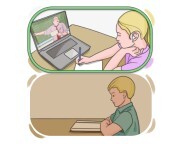
[Podstatné jméno]

something such as a hammer, saw, etc. that is held in the hand and used for a specific job

nástroj
nástroj

Ex: A wrench is a handy tool for tightening or loosening bolts and nuts .

Klíč je užitečný nástroj pro utahování nebo povolování šroubů a matic.

today
today
[Příslovce]

at the present time

dnes, v současnosti
dnes, v současnosti

Ex: Numerous children in underprivileged communities today do not have access to quality education.

Mnoho dětí v znevýhodněných komunitách dnes nemá přístup ke kvalitnímu vzdělání.

grain
grain
[Podstatné jméno]

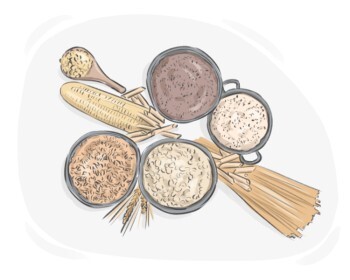
the small seeds of wheat, corn, rice, and other such crops

zrno, obilí

zrno, obilí

Ex: The grains were milled into flour for baking .

Zrna byla rozemleta na mouku pro pečení.

skill
skill
[Podstatné jméno]

an ability to do something well, especially after training

dovednost, umění

dovednost, umění

Ex: The athlete 's skill in dribbling and shooting made him a star player on the basketball team .

Dovednost atleta v driblování a střelbě z něj udělala hvězdného hráče basketbalového týmu.

to spread
to spread
[sloveso]

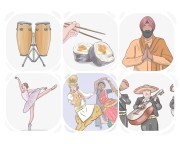
to make more people know or be aware of something by sharing or promoting it

šířit, propagovat
šířit, propagovat

Ex: The early Christians spread their faith through letters and teachings .

První křesťané šířili svou víru prostřednictvím dopisů a učení.

culture
culture
[Podstatné jméno]

the general beliefs, customs, and lifestyles of a specific society

kultura

kultura

Ex: We experienced the local culture during our stay in Italy .

Zažili jsme místní kulturu během našeho pobytu v Itálii.

middle age
middle age
[Podstatné jméno]

the time or period of one's life when they are not young anymore and are not old yet

střední věk, zralý věk
střední věk, zralý věk

Ex: Middle age is sometimes called the " sandwich generation " phase .

Střední věk se někdy nazývá fáze "sendvičové generace".

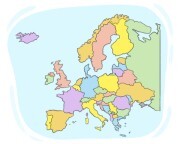
Europe
Europe
[Podstatné jméno]

the second smallest continent‌, next to Asia in the east, the Atlantic Ocean in the west, and the Mediterranean Sea in the south

Evropa

Evropa

Ex: Many tourists visit Europe to experience its vibrant nightlife and entertainment .

Mnoho turistů navštěvuje Evropu, aby zažilo její pulzující noční život a zábavu.

common
common
[Přídavné jméno]

frequently found, happening, or seen

běžný, častý

běžný, častý

Ex: It 's common to see tourists in the city during the summer .

Během léta je běžné vidět ve městě turisty.

monastery
monastery
[Podstatné jméno]

a building where a group of monks live and pray

klášter, opatství

klášter, opatství

Ex: The abbot of the monastery oversees its spiritual and administrative matters .

Opat kláštera dohlíží na jeho duchovní a administrativní záležitosti.

religious
religious
[Přídavné jméno]

related to or associated with religion, faith, or spirituality

náboženský, duchovní

náboženský, duchovní

Ex: The architectural style of the building reflected religious influences .

Architektonický styl budovy odrážel náboženské vlivy.

monk
monk
[Podstatné jméno]

a member of a male religious group that lives in a monastery

mnich, řeholník

mnich, řeholník

Ex: The monk's robe and shaved head were symbols of his commitment to his religious order .

Mnichův hábit a oholená hlava byly symboly jeho oddanosti k jeho náboženskému řádu.

important
important
[Přídavné jméno]

having a lot of value

důležitý, rozhodující

důležitý, rozhodující

Ex: The important issue at hand is ensuring the safety of the workers .

Důležitou otázkou je zajištění bezpečnosti pracovníků.

visitor
visitor
[Podstatné jméno]

someone who enters a place, such as a building, city, or website, for a particular purpose

návštěvník, host

návštěvník, host

Ex: As a tourist destination , the city attracts millions of visitors each year , eager to explore its attractions and culture .

Jako turistická destinace město každý rok přitahuje miliony návštěvníků, kteří se těší na prozkoumání jeho atrakcí a kultury.

safe
safe
[Přídavné jméno]

(of an action) free from danger, harm, or serious risk

bezpečný, neškodný

bezpečný, neškodný

Ex: This food is safe to eat even after being frozen for weeks .

Toto jídlo je bezpečné k jídlu i po týdnech zmrazení.

germ
germ
[Podstatné jméno]

a small living organism that causes disease or infection

zárodek, bakterie

zárodek, bakterie

nowadays
nowadays
[Příslovce]

at the present era, as opposed to the past

dnes, v současné době

dnes, v současné době

Ex: It 's common for teenagers nowadays to have smartphones .

V dnešní době je běžné, že teenageři mají chytré telefony.

business
business
[Podstatné jméno]

the activity of providing services or products in exchange for money

podnikání, firma

podnikání, firma

Ex: He started a landscaping business after graduating from college .

Po absolvování vysoké školy začal s krajinářským podnikáním.

light
light
[Přídavné jméno]

(of drinks) containing a lower amount of alcohol, calories, or sugar compared to its standard version

lehký, light

lehký, light

Ex: She asked for a light wine to accompany the seafood , which pairs well with delicate flavors .

Požádala o lehké víno k mořským plodům, které se dobře hodí k jemným chutím.

strong
strong
[Přídavné jméno]

describing drink that contains a large amount of a substance (like alcohol, caffeine, or flavor)

silný, intenzivní

silný, intenzivní

Ex: He brewed a strong pot of black tea to stay awake .

Uvařil silný konvici černého čaje, aby zůstal vzhůru.

festival
festival
[Podstatné jméno]

a series of performances of music, plays, movies, etc. typically taking place in the same location every year

festival

festival

Ex: They attended a cultural festival held in their town .

Zúčastnili se kulturního festivalu konaného v jejich městě.

fun
fun
[Přídavné jméno]

providing entertainment or amusement

zábavný, veselý

zábavný, veselý

Ex: Riding roller coasters at the theme park is always a fun experience .

Jízda na horských drahách v zábavním parku je vždy zábavný zážitek.

event
event
[Podstatné jméno]

anything that takes place, particularly something important

událost, akce

událost, akce

Ex: Graduation day is a significant event in the lives of students and their families .

Den promoce je významnou událostí v životě studentů a jejich rodin.

to meet
to meet
[sloveso]

to come together as previously scheduled for social interaction or a prearranged purpose

setkat se, sejít se

setkat se, sejít se

Ex: The two friends decided to meet at the movie theater before the show .

Dva přátelé se rozhodli setkat v kině před představením.

to enjoy
to enjoy
[sloveso]

to take pleasure or find happiness in something or someone

užívat si, mít rád

užívat si, mít rád

Ex: Despite the rain , they enjoyed the outdoor concert .

Navzdory dešti si užili venkovní koncert.

recipe
recipe
[Podstatné jméno]

the instructions on how to cook a certain food, including a list of the ingredients required

recept
recept

Ex: By experimenting with different recipes, she learned how to create delicious vegetarian meals .

Experimentováním s různými recepty se naučila, jak vytvořit chutné vegetariánské pokrmy.

ancient
ancient
[Přídavné jméno]

related or belonging to a period of history that is long gone

starověký, dávný

starověký, dávný

Ex: The museum housed artifacts from ancient Egypt, including pottery and jewelry.

Muzeum uchovávalo artefakty ze starověkého Egypta, včetně keramiky a šperků.

LanGeek
Stáhnout aplikaci LanGeek