
Cambridge IELTS 19 - Akademický - Test 4 - Poslech - Část 2 (1)
Zde najdete slovní zásobu z Testu 4 - Poslech - Část 2 (1) v učebnici Cambridge IELTS 19 - Academic, která vám pomůže připravit se na vaši zkoušku IELTS.
Revize
Kartičky
tvary
Pravopis
Kvíz


a group of individuals who come together based on shared interests, hobbies, activities, or objectives

klub, kroužek
Ráda se účastní klubu vaření, aby vyzkoušela nové recepty.
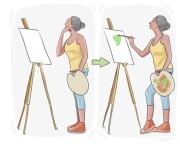
to make a new interest or hobby a regular part of one's life
přijmout, začít
Na jaře se dám na zahradničení.

a set of planned actions or steps to be followed in order to achieve specific goals or complete a task
program, plán
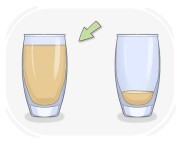
to become more powerful, intense, or larger in quantity
hromadit se, zesilovat
Postupem času se na půdě může nahromadit nepořádek, pokud se neřeší.
![to [take] part](https://cdn.langeek.co/photo/60819/thumb/350?type=jpeg "to [take] part")
to participate in something, such as an event or activity
to understand something such as an explanation, story, or the meaning of something
rozumět, následovat
Vyprávění knihy bylo snadné sledovat, což z ní udělalo rychlé a příjemné čtení.
to encourage or influence someone, or oneself, to work harder
tlačit, povzbuzovat
Povzbuzuje svůj tým, aby riskoval, ale příliš je netlačí.
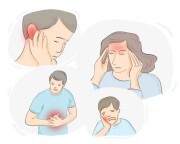
to have an illness or disease
trpět, onemocnět
Dítě trpělo vysokou horečkou a kašlem, což rodiče přimělo vzít ho k lékaři.
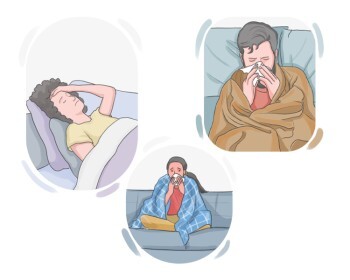
a medical problem, such as a disorder, illness, etc.
stav, onemocnění
Pacienti s tímto onemocněním často uvádějí různé příznaky, které se mohou lišit závažností.
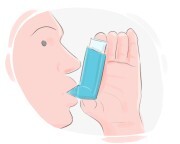
a disease that causes shortness of breath and difficulty in breathing
astma, onemocnění dýchacích cest
Je důležité, aby lidé s astmatem úzce spolupracovali se svými poskytovateli zdravotní péče, aby zvládli svůj stav a předešli zhoršení.
to design something for a particular audience or market
zaměřit se na, cílit na
Nová marketingová kampaň společnosti si klade za cíl zvýšit povědomí o značce mezi mileniály.
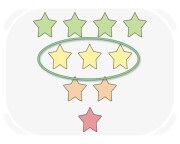
a standard level that is considered to be ordinary or usual
průměr, standardní úroveň
Jeho výkon byl mírně pod průměrem týmu.
the state of being in good physical condition, typically as a result of regular exercise and proper nutrition
fitness, fyzická kondice
Udržování fyzické kondice je nezbytné pro zdravý a aktivní životní styl.

related to or involving only one certain thing
specifický, určitý
Učitel požádal studenty, aby pro svůj úkol poskytli konkrétní příklady historických událostí.
being connected either logically or causally or by shared characteristics
související s, spojený s

(usually plural) a set of things that allow someone to achieve their goal or live comfortably
potřeby, nezbytnosti
Základní potřeby novorozence zahrnují plenky, umělé mléko nebo mateřské mléko a oblečení.
a small, unspecified number of things or people, usually two or a few
pár, dva tři
Pár studentů zůstalo, aby pomohlo uklidit třídu.

a helpful suggestion or a piece of advice
tip, rada
(of a person) lacking training or experience in a particular field or activity
nový, nezkušený
Protože je v vaření nový, pečlivě dodržoval recept.
physically feeling relaxed and not feeling pain, stress, fear, etc.
pohodlný, komfortní
Během hodiny jógy vypadal pohodlně, prokazoval pružnost a lehkost v pozicích.

to measure how long an event, action, or someone performing an action takes
měřit čas, časovat
Ona časuje své studijní sezení, aby maximalizovala produktivitu.
![to [get|take|keep] {one's} mind off {sth}](https://cdn.langeek.co/photo/46354/thumb/350?type=jpeg "to [get|take|keep] {one's} mind off {sth}")
to distract someone's attention or thoughts away from something, typically something stressful, worrisome, or unpleasant
přijít na jiné myšlenky, odvést pozornost od něčeho
Nic ho nedokázalo přivést na jiné myšlenky než na ztracené dítě.
a recurring sequence or interval in the timing of events or actions
rytmus, takt
Stroj pracuje v ustáleném rytmu.
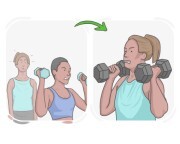
having a strong desire to win or succeed
konkurenceschopný, ambiciózní
Její konkurenční duch ji přiměl hledat vedoucí pozice a vynikat v kariéře.
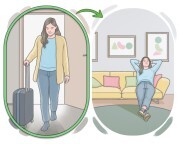
only a short time ago
právě, teprve
Právě volala, aby řekla, že je na cestě.
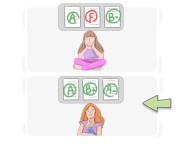
following the same course of action or behavior over time
důsledný, pravidelný
Konzistentní plán psaní autora jim umožnil vydat knihu každý rok.
many times or habitually
pravidelně, často
Tým pravidelně trénuje do pozdního večera.

to postpone an appointment or arrangement
odložit, přeložit
Už dvakrát odložili termín svatby.
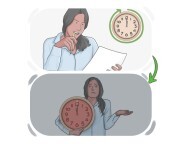
to be without or to not have enough of something that is needed or desirable
postrádat, mít nedostatek
Úspěch obchodního návrhu byl ohrožen, protože postrádal jasnou strategii.
to surpass someone or something in development, achievement, or advancement
předstihnout, nechat za sebou
Rychlý rozvoj umělé inteligence ponechal pozadu mnoho odvětví, automatizoval úkoly a transformoval procesy.
having a pleasing or agreeable nature
vítaný, příjemný
Nová politika získala velmi vítanou odezvu od zaměstnanců.
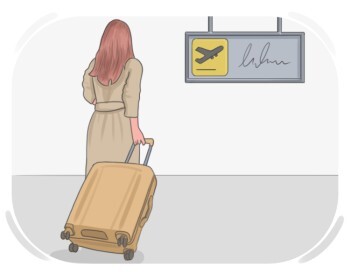
to go someplace with another person
jít s, doprovázet
Jdu do parku. Chtěl bys jít se mnou?
![to {not} [look] back](https://cdn.langeek.co/photo/47230/thumb/350?type=jpeg "to {not} [look] back")
to have no desire or intention to return to past circumstances
jít dál bez ohlédnutí, minulost ho už netáhne
Starý obchodní model nechala za sebou a šla dál bez lítosti.
someone who feels active, alert, and works best early in the day
ranní ptáče, ranní člověk
Pro ranního ptáčete je snazší účastnit se ranních schůzek.
a small amount or short experience of something given as a sample to let someone try it
vzorek, ochutnávka
Výstava nabízí ochutnávku umělcovy práce.
