
Cambridge IELTS 19 - Akademicki - Test 4 - Słuchanie - Część 2 (1)
Tutaj możesz znaleźć słownictwo z Testu 4 - Słuchanie - Część 2 (1) w podręczniku Cambridge IELTS 19 - Academic, aby pomóc Ci przygotować się do egzaminu IELTS.
Przegląd
Fiszki
formy
Pisownia
Test

a group of individuals who come together based on shared interests, hobbies, activities, or objectives

klub, koło
Założyli klub, aby zwiększyć świadomość na temat problemów środowiskowych.
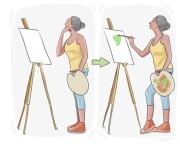
to make a new interest or hobby a regular part of one's life
przyjmować, zaczynać
Zacznijmy nawyk podejmowania czytania przed snem.

a set of planned actions or steps to be followed in order to achieve specific goals or complete a task
program, plan

to become more powerful, intense, or larger in quantity
gromadzić się, wzmacniać się
Ekscytacja zaczyna narastać w miarę zbliżania się daty koncertu.
![to [take] part](https://cdn.langeek.co/photo/60819/thumb/350?type=jpeg "to [take] part")
to participate in something, such as an event or activity
to understand something such as an explanation, story, or the meaning of something
rozumieć, podążać
Akcent mówcy był silny, co utrudniało śledzenie jego prezentacji.
to encourage or influence someone, or oneself, to work harder
pchać, zachęcać
Muszę popchnąć siebie, aby wyjść ze strefy komfortu.
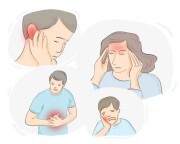
to have an illness or disease
cierpieć, chorować
Dostęp do wysokiej jakości opieki zdrowotnej ma kluczowe znaczenie dla osób cierpiących na choroby przewlekłe, zapewniając terminową diagnozę i skuteczne leczenie.
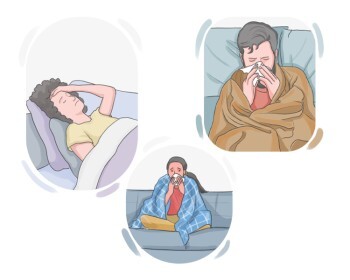
a medical problem, such as a disorder, illness, etc.
stan, choroba
Trwają badania mające na celu lepsze zrozumienie podstawowych przyczyn tego stanu i opracowanie skutecznych metod leczenia.
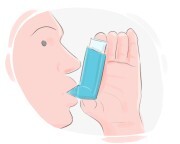
a disease that causes shortness of breath and difficulty in breathing
astma, choroba układu oddechowego
Leczenie astmy często obejmuje inhalatory, które dostarczają leki w celu otwarcia dróg oddechowych i zmniejszenia stanu zapalnego.
to design something for a particular audience or market
celować w, kierować do
Linia mody jest skierowana do klientów wysokiej klasy, którzy cenią luksus i ekskluzywność.
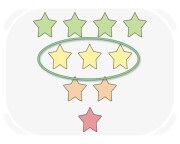
a standard level that is considered to be ordinary or usual
średnia, standardowy poziom
Ona zarabia przeciętną pensję dla kogoś w jej zawodzie.
the state of being in good physical condition, typically as a result of regular exercise and proper nutrition
sprawność fizyczna, kondycja
Program fitness obejmuje zarówno ćwiczenia sercowo-naczyniowe, jak i trening siłowy.

related to or involving only one certain thing
specyficzny, określony
Ma specyficzne preferencje dotyczące kuchni włoskiej, gdy jada na mieście.
being connected either logically or causally or by shared characteristics
związany z, powiązany z

(usually plural) a set of things that allow someone to achieve their goal or live comfortably
potrzeby, konieczności
Dobrze wyposażona skrzynka z narzędziami z różnymi narzędziami spełnia potrzeby złotej rączki.
a small, unspecified number of things or people, usually two or a few
kilka, dwa trzy
Byłem w Paryżu kilka razy wcześniej.

a helpful suggestion or a piece of advice
wskazówka, rada
(of a person) lacking training or experience in a particular field or activity
nowy, niedoświadczony
Ponieważ jest nowy w gotowaniu, dokładnie przestrzegał przepisu.
physically feeling relaxed and not feeling pain, stress, fear, etc.
wygodny, komfortowy
Starsza kobieta wydawała się wygodna w swoim ulubionym fotelu przy kominku.

to measure how long an event, action, or someone performing an action takes
mierzyć czas, chronometrować
Mierzymy czas gotowania różnych dań na obiad.
![to [get|take|keep] {one's} mind off {sth}](https://cdn.langeek.co/photo/46354/thumb/350?type=jpeg "to [get|take|keep] {one's} mind off {sth}")
to distract someone's attention or thoughts away from something, typically something stressful, worrisome, or unpleasant
oderwać myśli od czegoś, zająć czymś głowę
Weekendowy wyjazd może na chwilę oderwać twoje myśli od pracy.
a recurring sequence or interval in the timing of events or actions
rytm, takt
Codzienne rutyny ustanawiają rytm dla dzieci.
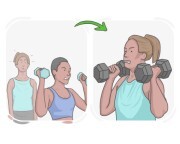
having a strong desire to win or succeed
konkurencyjny, ambitny
Konkurencyjny przedsiębiorca był nieugięty w dążeniu do możliwości biznesowych i rozszerzaniu swojej firmy.
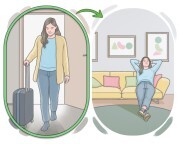
only a short time ago
właśnie, dopiero co
Właśnie opuścili budynek.
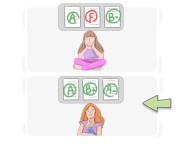
following the same course of action or behavior over time
konsekwentny, regularny
Nauczyciel pochwalił ucznia za jego konsekwentną frekwencję i udział w zajęciach.
many times or habitually
regularnie, często
Regularnie gubię klucze w tym bałaganiarskim mieszkaniu.

to postpone an appointment or arrangement
przełożyć, odroczyć
Wydarzenie inauguracyjne zostało przełożone z powodu trudności technicznych.
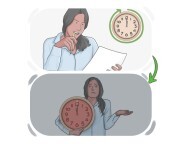
to be without or to not have enough of something that is needed or desirable
brakować, nie mieć wystarczająco
Jego esej został obniżony, ponieważ brakowało mu głębi i analizy krytycznej.
to surpass someone or something in development, achievement, or advancement
wyprzedzić, zostawić w tyle
Młody geniusz pozostawił w tyle swoich rówieśników w dążeniach akademickich, wyróżniając się w każdym przedmiocie, który podjął.
having a pleasing or agreeable nature
mile widziany, przyjemny
Chłodniejsza pogoda była mile widzianą zmianą po fali upałów.
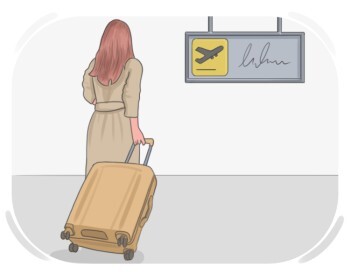
to go someplace with another person
iść razem, towarzyszyć
Wybieramy się w podróż samochodową w ten weekend. Chcesz pojechać z nami?
![to {not} [look] back](https://cdn.langeek.co/photo/47230/thumb/350?type=jpeg "to {not} [look] back")
to have no desire or intention to return to past circumstances
iść dalej bez żalu, nie tęsknić za dawnym życiem
Sprzedałem samochód, zacząłem jeździć do pracy rowerem i nigdy tego nie żałowałem.
someone who feels active, alert, and works best early in the day
ranny ptaszek, osoba poranna
Poranne ptaszki często wolą ćwiczyć wczesnym rankiem.
a small amount or short experience of something given as a sample to let someone try it
próbka, zapowiedź
Odwiedzający otrzymali próbkę lokalnego jedzenia na festiwalu.
