
Cambridge English: CAE (C1 Advanced) - Dinámicas de Medios, Publicación e Información
Aprenda vocabulario avanzado de CAE para medios y editorial, incluyendo periodismo, publicaciones, radiodifusión, flujo de información, audiencias, reportajes y distribución de contenido.
Revisión
Tarjetas de memoria
formas
Ortografía
Cuestionario


(of news) to be released or made known to the public

difundir

the number of copies of a newspaper or magazine regularly distributed or sold
tirada
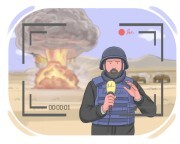
to provide a report on or talk about an event in a news piece or media
cubrir, tratar, tocar
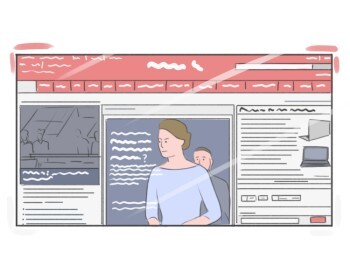
important social or political events that are happening and are covered in the news
temas de actualidad
Los debates sobre la actualidad a menudo dominan los programas de entrevistas matutinos.

the statistical study of populations, including their size, distribution, composition, and changes over time due to factors such as birth, death, migration, and aging
demografía, estudio demográfico
El campo de la demografía abarca una amplia gama de métodos y teorías utilizadas para estudiar las poblaciones humanas y sus dinámicas.

to write something for the first time that needs corrections for the final presentation
hacer un borrador
an observable fact, event, or situation, often unusual or not yet fully explained
fenómeno, hecho observable
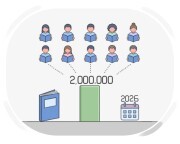
the number of people who read a particular magazine, newspaper, or book on a regular basis
lectores
the total income generated from business activities or other sources
ingresos
(with reference to a newspaper, magazine, story, etc.) to print and publish
publicar, imprimir
a book or a document that supplies information in a research and is referred to
fuente
an arrangement where an individual or entity pays a recurring fee or provides contact info to access content, services, or updates from a specific source
suscripción, abono

a small portable computer with a flat touchscreen as its main means of control
tableta
a movement or shift from one stage, activity, subject, or place to another
transición, paso
a hypothetical sequence of events or a plausible situation that could unfold
escenario, hipótesis
La novela explora un escenario distópico donde la tecnología controla cada aspecto de la sociedad.
public attention or publicity received by a person, organization, product, or work
exposición, publicidad
using websites and apps to interact and build social relationships
servicio de red social
El auge de las redes sociales ha cambiado la forma en que las personas se comunican y comparten información.
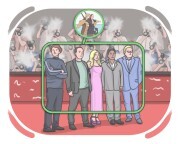
all the actors and actresses in a movie, play, etc.
reparto
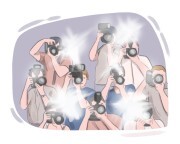
used to describe someone or something that attracts a great deal of public attention
en el ojo público, bajo la mirada pública
No le gusta estar en el ojo público y prefiere una vida tranquila.

freelance photographers who aggressively pursue and take pictures of celebrities, often in invasive or intrusive ways
paparazzi
A pesar de los intentos por evitar la atención, el cantante era constantemente acosado por los paparazzi.
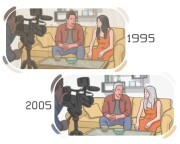
a TV or radio show, broadcast regularly, dealing with the routine life of a group of people and their problems
telenovela
Solía escuchar telenovelas en la radio con su abuela.

the main bad character in a movie, story, play, etc.
villano
Los motivos del villano se revelaron al final de la historia.
a person who describes and discusses an event for a live broadcast as it happens
comentarista
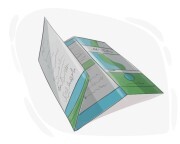
a small piece of paper that has information about something being advertised, usually printed in color and handed out to people by hand
folleto, volante
Distribuyeron folletos para promocionar el concierto.
to suddenly appear very briefly on a screen or display
aparecer brevemente, mostrarse de repente
La advertencia aparece intermitentemente de manera repetida.
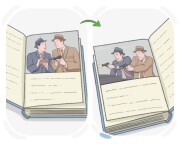
the events that are crucial to the formation and continuity of a story in a movie, play, novel, etc.
argumento, trama
(of a film or video) featuring written translations of spoken dialogue displayed on the screen, typically in a language different from the original audio
subtitulado, con subtítulos
Él prefiere las películas subtituladas a las versiones dobladas.

to represent someone or something in a picture, painting, drawing, or other visual artwork
representar, pintar

a person, brand, or product widely known and recognized by the general public
nombre conocido por todos, nombre familiar
Su novela la convirtió en un nombre familiar en los círculos literarios.

to make a person, place, or thing widely known, often for the first time
dar a conocer, poner en el mapa
Los platos únicos del chef lo dieron a conocer.
to simplify or reduce the intellectual content of something in order to make it more accessible or appealing to a wider audience
simplificar demasiado el contenido intelectual de algo, hacer algo más simple y menos exigente para un público amplio
La presentación fue inicialmente demasiado técnica, por lo que tuvieron que simplificarla para el público no experto.
