
Cambridge English: CAE (C1 Advanced) - Dinamiche dei Media, dell'Editoria e dell'Informazione
Impara il vocabolario avanzato CAE per i media e l'editoria, tra cui giornalismo, pubblicazioni, trasmissioni, flusso di informazioni, pubblico, reportage e distribuzione dei contenuti.
Revisione
Flashcard
forme
Ortografia
Quiz


(of news) to be released or made known to the public

mancare

the number of copies of a newspaper or magazine regularly distributed or sold
tiratura
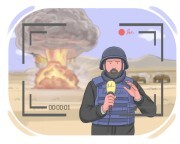
to provide a report on or talk about an event in a news piece or media
riportare
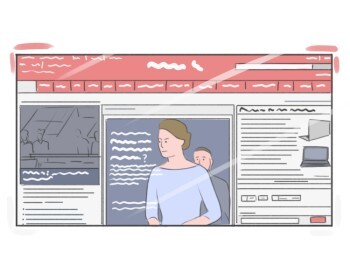
important social or political events that are happening and are covered in the news
attualità
La rivista pubblica articoli approfonditi sugli avvenimenti attuali ogni settimana.

the statistical study of populations, including their size, distribution, composition, and changes over time due to factors such as birth, death, migration, and aging
demografia, studio demografico
I cambiamenti nella demografia possono avere profonde implicazioni per l'assistenza sanitaria, l'istruzione e i servizi sociali.

to write something for the first time that needs corrections for the final presentation
schizzare
an observable fact, event, or situation, often unusual or not yet fully explained
fenomeno, fatto osservabile
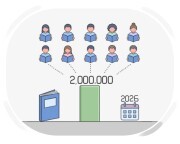
the number of people who read a particular magazine, newspaper, or book on a regular basis
pubblico, lettori
the total income generated from business activities or other sources
entrata
(with reference to a newspaper, magazine, story, etc.) to print and publish
pubblicare, stampare
a book or a document that supplies information in a research and is referred to
fonte
an arrangement where an individual or entity pays a recurring fee or provides contact info to access content, services, or updates from a specific source
abbonamento, sottoscrizione

a small portable computer with a flat touchscreen as its main means of control
tablet
a movement or shift from one stage, activity, subject, or place to another
transizione, passaggio
a hypothetical sequence of events or a plausible situation that could unfold
scenario, ipotesi
public attention or publicity received by a person, organization, product, or work
esposizione, visibilità
using websites and apps to interact and build social relationships
rete sociale
La strategia di marketing dell'azienda include una forte attenzione ai social network per raggiungere un pubblico più ampio.
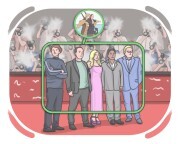
all the actors and actresses in a movie, play, etc.
cast

used to describe someone or something that attracts a great deal of public attention
sotto i riflettori, al centro dell'attenzione
Vivere sotto i riflettori può essere estenuante.

freelance photographers who aggressively pursue and take pictures of celebrities, often in invasive or intrusive ways
paparazzo
L'attrice ha assunto della sicurezza per proteggerla dai paparazzi mentre partecipava alla prima del film.

a TV or radio show, broadcast regularly, dealing with the routine life of a group of people and their problems
telenovela
Le lotte dei personaggi nella telenovela sembrano così reali e riconoscibili per molti spettatori.

the main bad character in a movie, story, play, etc.
cattivo
Il pubblico ha fischiato quando il cattivo è apparso sul palco.
a person who describes and discusses an event for a live broadcast as it happens
commentatore
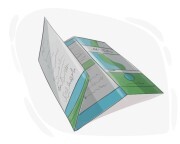
a small piece of paper that has information about something being advertised, usually printed in color and handed out to people by hand
volantino, pieghevole
Ha letto un volantino sui corsi di lingua.
to suddenly appear very briefly on a screen or display
apparire brevemente, comparire all'improvviso
Hanno notato che lo stesso allarme è apparso improvvisamente ieri.
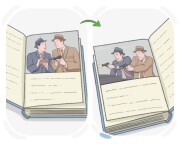
the events that are crucial to the formation and continuity of a story in a movie, play, novel, etc.
traccia
(of a film or video) featuring written translations of spoken dialogue displayed on the screen, typically in a language different from the original audio
sottotitolato, con sottotitoli
Ha imparato nuove frasi da programmi sottotitolati.

to represent someone or something in a picture, painting, drawing, or other visual artwork
dipingere

a person, brand, or product widely known and recognized by the general public
nome familiare, brand noto
È diventato un nome familiare dopo aver vinto la competizione internazionale.

to make a person, place, or thing widely known, often for the first time
far conoscere, portare alla ribalta
Quella canzone ha fatto conoscere il giovane artista.
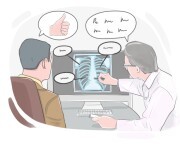
to simplify or reduce the intellectual content of something in order to make it more accessible or appealing to a wider audience
semplificare eccessivamente il contenuto intellettuale di qualcosa, rendere qualcosa più semplice e meno impegnativo per un pubblico ampio
Il gergo complesso del manuale è stato semplificato per aiutare i clienti a risolvere i problemi da soli.
