
Cambridge English: CAE (C1 Advanced) - メディア、出版、情報のダイナミクス
メディアと出版に関する上級CAE語彙を学びましょう。ジャーナリズム、出版物、放送、情報の流れ、視聴者、報道、コンテンツ配信などが含まれます。
レビュー
フラッシュカード
語形
綴り
クイズ


(of news) to be released or made known to the public

発表する, 明らかにする

the number of copies of a newspaper or magazine regularly distributed or sold
発行部数
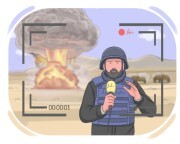
to provide a report on or talk about an event in a news piece or media
取材する, 報道する
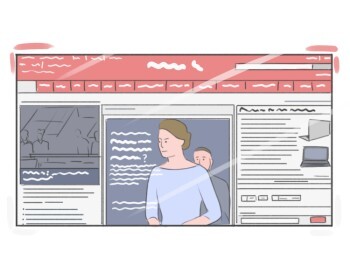
important social or political events that are happening and are covered in the news
時事問題, 現在の出来事
ニュース番組は世界中の時事問題に焦点を当てています。

the statistical study of populations, including their size, distribution, composition, and changes over time due to factors such as birth, death, migration, and aging
人口統計学, 人口統計学的調査
人口統計学は、人口の成長と分布における傾向とパターンについて貴重な洞察を提供します。

to write something for the first time that needs corrections for the final presentation
草案を作成する, 下書きする
an observable fact, event, or situation, often unusual or not yet fully explained
現象, 観測可能な事実
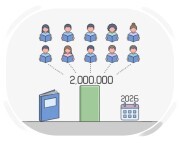
the number of people who read a particular magazine, newspaper, or book on a regular basis
読者数, 読者層
the total income generated from business activities or other sources
収益, 売上高
(with reference to a newspaper, magazine, story, etc.) to print and publish
掲載する, 印刷する
a book or a document that supplies information in a research and is referred to
情報源, 参照文献
an arrangement where an individual or entity pays a recurring fee or provides contact info to access content, services, or updates from a specific source
サブスクリプション, 購読

a small portable computer with a flat touchscreen as its main means of control
タブレット
a movement or shift from one stage, activity, subject, or place to another
移行, 転換
a hypothetical sequence of events or a plausible situation that could unfold
シナリオ, 仮説
public attention or publicity received by a person, organization, product, or work
露出, 宣伝
using websites and apps to interact and build social relationships
ソーシャルネットワーキング, ソーシャルネットワーク
ソーシャルネットワーキングは、企業が顧客と関わるための重要なツールとなっています。
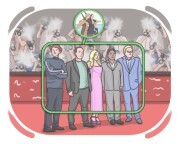
all the actors and actresses in a movie, play, etc.
キャスト, 配役

used to describe someone or something that attracts a great deal of public attention
世間の注目を浴びて, 公の場で注目される
有名俳優として、彼は人生の大半を世間の注目を浴びて過ごした。

freelance photographers who aggressively pursue and take pictures of celebrities, often in invasive or intrusive ways
パパラッチ, 有名人カメラマン
パパラッチは有名人の家の外に集まり、有名な俳優を一目見ようと期待していた。
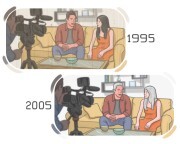
a TV or radio show, broadcast regularly, dealing with the routine life of a group of people and their problems
ソープオペラ, 連続テレビドラマ
彼女はお気に入りのソープオペラを一度も見逃さない。

the main bad character in a movie, story, play, etc.
悪役, 敵対者
悪役は王国を乗っ取ることを企んだ。
a person who describes and discusses an event for a live broadcast as it happens
コメンテーター, 実況アナウンサー
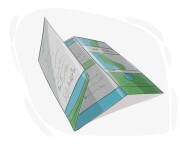
a small piece of paper that has information about something being advertised, usually printed in color and handed out to people by hand
チラシ, フライヤー
彼女は新しいカフェのチラシを配った。
to suddenly appear very briefly on a screen or display
一瞬表示される, 突然現れる
今のところ何も突然表示されていません。

the events that are crucial to the formation and continuity of a story in a movie, play, novel, etc.
プロット, 筋書き
(of a film or video) featuring written translations of spoken dialogue displayed on the screen, typically in a language different from the original audio
字幕付きの, 字幕が付いた
昨夜、字幕付きの日本の映画を観ました。

to represent someone or something in a picture, painting, drawing, or other visual artwork
描く, 表現する

a person, brand, or product widely known and recognized by the general public
誰もが知る名前, おなじみの名前
その会社はスタートアップから家名へとわずか数年で成長しました。
![to [put] {sb/sth} on the map](https://cdn.langeek.co/photo/40461/thumb/350?type=jpeg "to [put] {sb/sth} on the map")
to make a person, place, or thing widely known, often for the first time
有名にする, 注目を集めさせる
その映画は小さな町を有名にした。
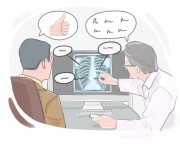
to simplify or reduce the intellectual content of something in order to make it more accessible or appealing to a wider audience
知的内容を一般向けに過度に単純化する, 一般向けに内容を浅く分かりやすくする
先生は、すべての生徒が概念を理解できるようにレッスンを簡素化することに決めました。
| Cambridge English: CAE (C1 Advanced) | |||
|---|---|---|---|
| 物理的外見と形態 | 学術研究と資格 | スキルと能力 | 犯罪と法的結果 |
| 衣類、コストとスタイル | 歴史的社会と経済システム | 仕事のパフォーマンスと条件 | 財務管理と経済的健康 |
| 企業構造と戦略的行動 | ソーシャルナビゲーションと行動パターン | 視点、信念、そして課題への取り組み | 特性と自己概念 |
| 認知プロセスと記憶 | 分析、判断と問題解決 | 革新、開発と機能 | 迷信と超自然的 |
| メディア、出版、情報のダイナミクス | 感情状態と反応 | コミュニケーション的解釈と表現 | 公式コミュニケーションと情報交換 |
