
Cambridge English: CAE (C1 Advanced) - Dynamika médií, vydavatelství a informací
Naučte se pokročilou slovní zásobu CAE pro média a vydavatelství, včetně žurnalistiky, publikací, vysílání, toku informací, publika, reportáže a distribuce obsahu.
Revize
Kartičky
tvary
Pravopis
Kvíz


(of news) to be released or made known to the public

zveřejnit, odhalit

the number of copies of a newspaper or magazine regularly distributed or sold
náklad
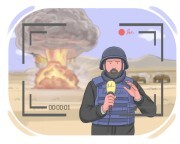
to provide a report on or talk about an event in a news piece or media
pokrývat, referovat
important social or political events that are happening and are covered in the news
aktuální události, současné dění
Časopis každý týden publikuje pronikavé články o aktuálních událostech.

the statistical study of populations, including their size, distribution, composition, and changes over time due to factors such as birth, death, migration, and aging
demografie, demografická studie
Změny v demografii mohou mít hluboké důsledky pro zdravotní péči, vzdělávání a sociální služby.

to write something for the first time that needs corrections for the final presentation
vypracovat návrh, napsat první verzi
an observable fact, event, or situation, often unusual or not yet fully explained
jev, pozorovatelný fakt
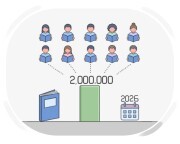
the number of people who read a particular magazine, newspaper, or book on a regular basis
četnost čtenářů, čtenářská obec
the total income generated from business activities or other sources
příjmy, výnosy
(with reference to a newspaper, magazine, story, etc.) to print and publish
publikovat, tisknout
a book or a document that supplies information in a research and is referred to
zdroj, reference
an arrangement where an individual or entity pays a recurring fee or provides contact info to access content, services, or updates from a specific source
předplatné, odběr
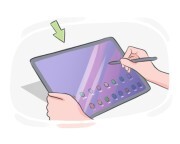
a small portable computer with a flat touchscreen as its main means of control
tablet
a movement or shift from one stage, activity, subject, or place to another
přechod, přeměna
a hypothetical sequence of events or a plausible situation that could unfold
scénář, hypotéza
Vědec představil nejhorší scénář změny klimatu a zdůraznil nutnost okamžité akce.
public attention or publicity received by a person, organization, product, or work
expozice, publicita
using websites and apps to interact and build social relationships
sociální sítě, sociální networking
Marketingová strategie společnosti zahrnuje silné zaměření na sociální sítě, aby oslovila širší publikum.
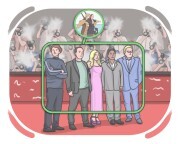
all the actors and actresses in a movie, play, etc.
obsazení, herci
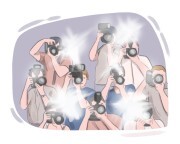
used to describe someone or something that attracts a great deal of public attention
na očích veřejnosti, pod veřejným dohledem
Žít na očích veřejnosti může být vyčerpávající.

freelance photographers who aggressively pursue and take pictures of celebrities, often in invasive or intrusive ways
paparazzi, fotografové celebrit
Herečka si najala ochranku, aby ji chránila před paparazzi při účasti na filmové premiéře.
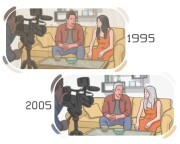
a TV or radio show, broadcast regularly, dealing with the routine life of a group of people and their problems
mýdlová opera, seriál
Boj postav v telenovele působí mnoha divákům tak skutečně a srozumitelně.
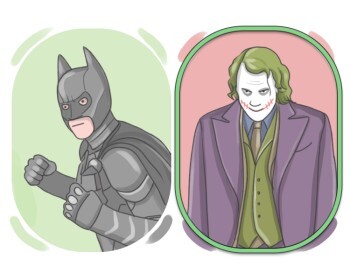
the main bad character in a movie, story, play, etc.
padouch, antagonista
Publikum vypískalo, když se na jevišti objevil padouch.
a person who describes and discusses an event for a live broadcast as it happens
komentátor, komentátorka
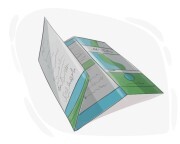
a small piece of paper that has information about something being advertised, usually printed in color and handed out to people by hand
leták, prospekt
Přečetla si leták o jazykových kurzech.
to suddenly appear very briefly on a screen or display
objevit se na okamžik, náhle se objevit
Na obrazovce proběhla varovná zpráva.
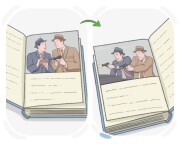
the events that are crucial to the formation and continuity of a story in a movie, play, novel, etc.
děj, zápletka
(of a film or video) featuring written translations of spoken dialogue displayed on the screen, typically in a language different from the original audio
s titulky, opatrovaný titulky
Naučila se nové fráze z titulkovaných pořadů.

to represent someone or something in a picture, painting, drawing, or other visual artwork

a person, brand, or product widely known and recognized by the general public
jméno známé všem, známé jméno
Ten herec se díky úspěšnému seriálu stal známým jménem.

to make a person, place, or thing widely known, often for the first time
proslavit, dostat do povědomí
Ta píseň mladého umělce proslavila.
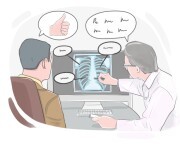
to simplify or reduce the intellectual content of something in order to make it more accessible or appealing to a wider audience
zjednodušit intelektuální obsah něčeho pro širší publikum, udělat něco jednodušší a méně náročné pro široké publikum
Složitý žargon v manuálu byl zjednodušen, aby zákazníkům pomohl řešit problémy samostatně.
