
Cambridge English: CPE (C2 Proficiency) - Argumento y Desprecio
Aprenda vocabulario avanzado de CPE para la argumentación y la descalificación, incluyendo disputas, críticas, insultos, acusaciones, burlas, ataques verbales y desacuerdos hostiles.
Revisión
Tarjetas de memoria
formas
Ortografía
Cuestionario

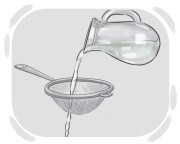
to waste time and energy on something that cannot be changed or revived

to give or have opinions that differ from those officially or commonly accepted

disentir
Es importante para una democracia saludable permitir a los ciudadanos disentir libremente y expresar sus opiniones.
a display of excessive pride, often through loud claims
fanfarronería, bravuconería
Ella vio a través de su braggadocio y supo que estaba enmascarando una profunda inseguridad.
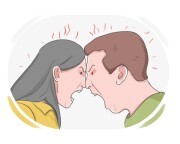
to argue over unimportant things in an ongoing and repetitive way
reñir, discutir
La pareja solía discutir por las tareas domésticas, lo que llevaba a desacuerdos frecuentes y menores.
a dull, overused statement said to comfort someone but that fails to do so
bromuro, lugar común
Los folletos de la conferencia estaban llenos de bromuros reconfortantes que todos ignoraban.
a constant finding of small faults or griping over minor issues instead of offering solutions
criticón
Su carping durante la presentación distrajo a todos de los puntos principales.
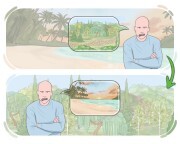
to make objections, often over small details without a good reason
poner reparos
En lugar de disfrutar de la caminata escénica, él ponía pegas al nivel de dificultad del sendero.
a statement or advice that is no longer effective or interesting because it has been repeated over and over again
tópico
La charla del entrenador estaba llena de perogrulladas cansadas sobre el trabajo duro y la dedicación.

a negative attitude or reaction toward something that one desires but cannot have or achieve, often by minimizing its importance or worth
despecho, desdén por despecho
Su crítica al coche caro sonaba a despecho.
(of a position, argument, theory, etc.) not capable of being supported, defended, or justified when receiving criticism or objection
indefendible
La idea resultó ser insostenible cuando se sometió a un mayor escrutinio.
to demonstrate that a claim, theory, or statement is untrue
contradecir, refutar
Sus experimentos contradicen la suposición de que la sustancia era inerte.

to express one's disagreement, refusal, or reluctance
exceptuar
En lugar de estar abiertamente de acuerdo, John objetó y sugirió explorar soluciones alternativas.
to disagree or deny that something is true
negar
Es difícil negar el impacto del cambio climático en nuestro medio ambiente.
to argue over unimportant things or to complain about them
poner pegas, hacer objeciones de poca monta
Ella no quería discutir sobre el costo; solo quería que el proyecto se completara a tiempo.

to argue and express one's disagreement or objection to something
protestar
Los estudiantes protestaron ante la administración por la estricta política de código de vestimenta.
to question someone's honesty, quality, motive, etc.
impugnar
Durante años, ella había impugnado la equidad del proceso sin ninguna prueba.
to strongly discourage someone from doing something
disuadir fuertemente, desaconsejar enérgicamente
Los letreros disuadían a los excursionistas de tomar caminos peligrosos.
