
Cambridge English: CPE (C2 Proficiency) - Argument a Pomluva
Naučte se pokročilou slovní zásobu CPE pro argumentaci a dehonestaci, včetně sporů, kritiky, urážek, obvinění, posměchu, verbálních útoků a nepřátelského nesouhlasu.
Revize
Kartičky
tvary
Pravopis
Kvíz

![to [flog] a dead horse](https://cdn.langeek.co/photo/40835/thumb/350?type=jpeg "to [flog] a dead horse")
to waste time and energy on something that cannot be changed or revived

to give or have opinions that differ from those officially or commonly accepted

nesouhlasit, mít odlišný názor
Studenti jsou povzbuzováni k tomu, aby nesouhlasili s respektem a zapojili se do konstruktivní debaty ve třídě.
a display of excessive pride, often through loud claims
chlubení, vychloubání
Politické projevy mohou sklouznout k chlubení, pokud se řečník soustředí pouze na sebechválu.

to argue over unimportant things in an ongoing and repetitive way
hašteřit se, přít se
Sousedé se často hádali o parkovací místa, což způsobovalo napětí v komunitě.
a dull, overused statement said to comfort someone but that fails to do so
bromid, otřepaná fráze
Bromid trenéra před zápasem—« hrajte tvrdě, nechte vše na hřišti »—působil unaveně a neinspirativně.
a constant finding of small faults or griping over minor issues instead of offering solutions
drobnostkářství, remcání
Mám dost tvého carping—pokud máš řešení, mluv.
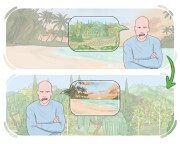
to make objections, often over small details without a good reason
hledat chyby, přesně se držet předpisů
I když většina ocenila snahu, několik by hledalo chyby na zvoleném barevném schématu projektu.
a statement or advice that is no longer effective or interesting because it has been repeated over and over again
klišé, otřepaná fráze
Jeho odpověď nebyla nic víc než bezvýznamná otřepaná fráze, která nenabízela žádné skutečné řešení.

a negative attitude or reaction toward something that one desires but cannot have or achieve, often by minimizing its importance or worth
kyselé hrozny, uražená závist
Jeho poznámky o vítězi nebyly nic než kyselé hrozny.
(of a position, argument, theory, etc.) not capable of being supported, defended, or justified when receiving criticism or objection
neudržitelný, neobhajitelný
Jeho tvrzení bylo neudržitelné, jakmile byly předloženy protiargumenty.
to demonstrate that a claim, theory, or statement is untrue
vyvracet, popírat
Fotografický důkaz vyvrátil její verzi událostí.

to express one's disagreement, refusal, or reluctance
namítat, váhat
Váhal s přijetím povýšení, nejistý, zda je připraven na odpovědnost.
to disagree or deny that something is true
odporovat, popírat
Svědecká výpověď přímo vyvrátila obviněného alibi, což vzbudilo pochybnosti o jeho nevinnosti.
to argue over unimportant things or to complain about them
přít se o nepodstatné věci, stěžovat si na maličkosti
Místo toho, aby poskytl konstruktivní zpětnou vazbu, jen hádal o každém aspektu prezentace.

to argue and express one's disagreement or objection to something
protestovat, namítat
Když se zaměstnanci dozvěděli o navrhovaných sníženích mezd, protestovali u vedení.
to question someone's honesty, quality, motive, etc.
zpochybnit, zavrhovat
Během konference zpochybňoval integritu výzkumníka.
to strongly discourage someone from doing something
rozhodně odrazovat, důrazně zrazovat
Úřady odradily lidi od vstupu do nebezpečné oblasti.
| Cambridge English: CPE (C2 Proficiency) | |||
|---|---|---|---|
| Fyzické Popisy | Tvary terénu | Objekty a Materiály | Obřady a Slavnosti |
| Stvoření a Kausalita | Argument a Pomluva | Zemědělství a Potraviny | Nekonvenční Státy |
| Rodina a Manželství | Bydlení a Obývání | Vůně a Chuť | Koncepční Extrémy |
| Podobnost a Rozdíl | |||
