
Cambridge English: CPE (C2 Proficiency) - Argument & Disparagement
Learn advanced CPE vocabulary for argument and disparagement, including disputes, criticism, insults, accusations, mockery, verbal attacks, and hostile disagreement.
Review
Flashcards
Forms
Spelling
Quiz
![to [flog] a dead horse](https://cdn.langeek.co/photo/40835/thumb/350?type=jpeg "to [flog] a dead horse")
to waste time and energy on something that cannot be changed or revived

to give or have opinions that differ from those officially or commonly accepted
a display of excessive pride, often through loud claims
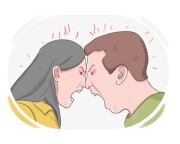
to argue over unimportant things in an ongoing and repetitive way
a dull, overused statement said to comfort someone but that fails to do so
a constant finding of small faults or griping over minor issues instead of offering solutions
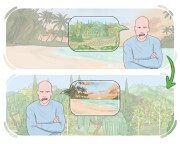
to make objections, often over small details without a good reason
a statement or advice that is no longer effective or interesting because it has been repeated over and over again

a negative attitude or reaction toward something that one desires but cannot have or achieve, often by minimizing its importance or worth
(of a position, argument, theory, etc.) not capable of being supported, defended, or justified when receiving criticism or objection
to demonstrate that a claim, theory, or statement is untrue

to express one's disagreement, refusal, or reluctance
to disagree or deny that something is true
to argue over unimportant things or to complain about them

to argue and express one's disagreement or objection to something
| Cambridge English: CPE (C2 Proficiency) | |||
|---|---|---|---|
| Physical Descriptions | Landforms | Objects & Materials | Ceremonies & Revelry |
| Creation & Causation | Argument & Disparagement | Agriculture & Food | Unconventional States |
| Family & Marriage | Dwelling & Inhabiting | Scent & Flavor | Conceptual Extremes |
| Similarity & Difference | |||
