El libro Total English - Intermedio - Unidad 4 - Vocabulario

Aquí encontrarás las palabras de la Unidad 4 - Vocabulario en el libro de curso Total English Intermediate, como "factura", "reducción", "prestar", etc.

review-disable

Revisión

flashcard-disable

Tarjetas de memoria

spelling-disable

Ortografía

quiz-disable

Cuestionario

Empezar a aprender
El libro Total English - Intermedio
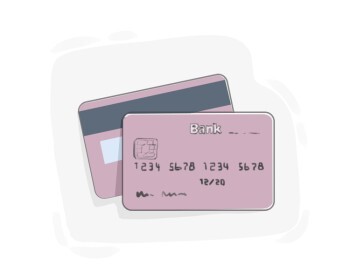
debit card [Sustantivo]

a small plastic card we use to pay for what we buy with the money taken directly from our bank account

اجرا کردن

tarjeta de débito

Ex: He uses his debit card to pay his monthly bills .

Él usa su tarjeta de débito para pagar sus facturas mensuales.

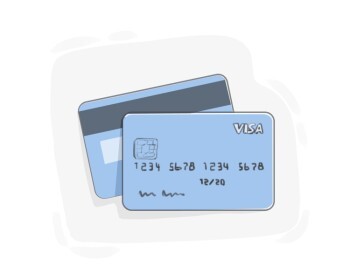
credit card [Sustantivo]

a plastic card, usually given to us by a bank, that we use to pay for goods and services

اجرا کردن

tarjeta de crédito

Ex: He applied for a new credit card with a lower interest rate .

Solicitó una nueva tarjeta de crédito con una tasa de interés más baja.

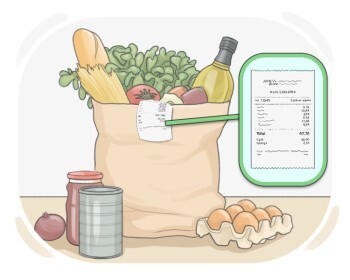
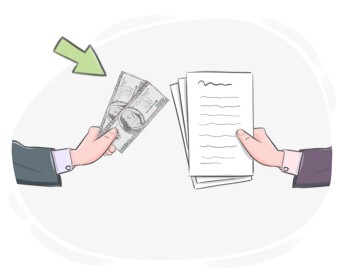
receipt [Sustantivo]

a written or printed document that shows the payment for a set of goods or services has been made

اجرا کردن

recibo

Ex: I could n't read the faded print on the receipt .

No pude leer la letra borrosa en el recibo.

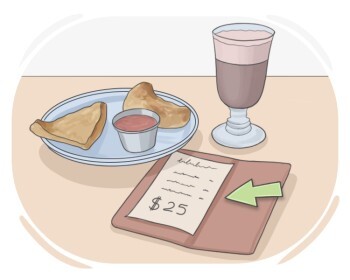
bill [Sustantivo]

a piece of printed paper that shows the amount of money a person has to pay for goods or services received

اجرا کردن

cuenta

Ex: She asked the waiter for the bill after finishing her meal .

Ella le pidió la cuenta al camarero después de terminar su comida.

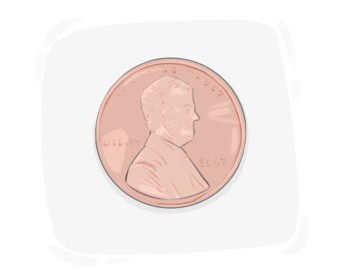
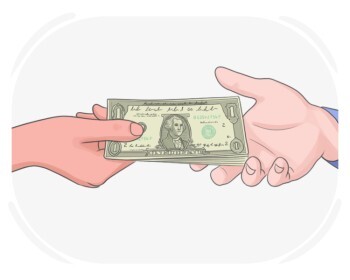
coin [Sustantivo]

a piece of metal, typically round and flat, used as money, issued by governments

اجرا کردن

moneda

Ex: She found a rare coin from the 19th century while cleaning out her grandfather 's attic .

Encontró una moneda rara del siglo XIX mientras limpiaba el ático de su abuelo.

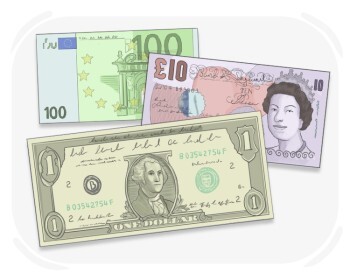
note [Sustantivo]

paper money issued by a government or financial institution that is used to buy goods and services

اجرا کردن

billete

Ex: She handed the cashier a ten-dollar note to pay for her groceries .

Ella le entregó al cajero un billete de diez dólares para pagar sus compras.

fare [Sustantivo]

the amount of money we pay to travel with a bus, taxi, plane, etc.

اجرا کردن

tarifa

Ex: She bought a monthly pass to save on daily fare expenses .

Ella compró un pase mensual para ahorrar en los gastos diarios de tarifa.

fine [Sustantivo]

an amount of money that must be paid as a legal punishment

اجرا کردن

multa

Ex: He had to pay a hefty fine for speeding on the highway .

Tuvo que pagar una multa cuantiosa por exceso de velocidad en la autopista.

price [Sustantivo]

the amount of money required for buying something

اجرا کردن

precio

Ex: He checked the price of the flight online .

Él verificó el precio del vuelo en línea.

fee [Sustantivo]

the money that is paid to a professional or an organization for their services

اجرا کردن

tasa

Ex: The lawyer 's fee for handling the case was quite high .

Los honorarios del abogado por manejar el caso fueron bastante altos.

reduction [Sustantivo]

a decline in amount, degree, etc. of a particular thing

اجرا کردن

reducción

Ex: The company implemented cost-cutting measures that led to a reduction in expenses .

La empresa implementó medidas de reducción de costos que llevaron a una reducción en los gastos.

refund [Sustantivo]

an amount of money that is paid back because of returning goods to a store or one is not satisfied with the goods or services

اجرا کردن

reembolso

Ex: She received a full refund after returning the defective shoes .

Ella recibió un reembolso completo después de devolver los zapatos defectuosos.

to lose [Verbo]

to be deprived of or stop having someone or something

اجرا کردن

perder

Ex: She lost her hearing as a result of the loud explosion .

Ella perdió su audición como resultado de la fuerte explosión.

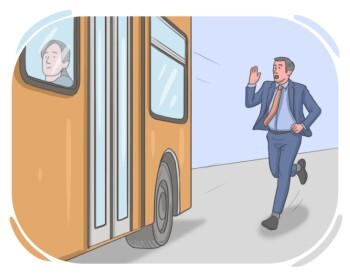
to miss [Verbo]

to fail to catch a bus, airplane, etc.

اجرا کردن

perder

Ex: I got lost on my way to the airport and I 'm going to miss my flight .

Me perdí camino al aeropuerto y voy a perder mi vuelo.

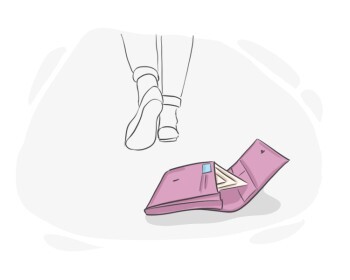
lost [Adjetivo]

unable to be located or recovered and is no longer in its expected place

اجرا کردن

perdido

Ex: I realized my wallet was lost when I couldn't find it at the coffee shop after paying for my drink.

Me di cuenta de que mi billetera estaba perdida cuando no pude encontrarla en la cafetería después de pagar mi bebida.

missed [Adjetivo]

not perceived, noticed, or apprehended, often due to a lack of attention, awareness, or understanding

اجرا کردن

pasado por alto

Ex: The missed detail in the contract led to legal disputes later on .

El detalle pasado por alto en el contrato llevó a disputas legales más adelante.

travel [Sustantivo]

the act of going to a different place, usually a place that is far

اجرا کردن

viaje

Ex: Travel to foreign countries can be an eye-opening experience .

Viajar a países extranjeros puede ser una experiencia reveladora.

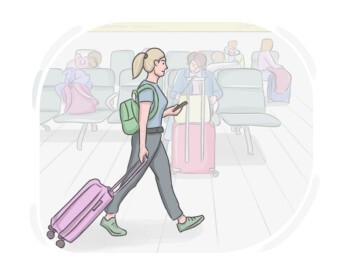
trip [Sustantivo]

a journey that you take for fun or a particular reason, generally for a short amount of time

اجرا کردن

viaje

Ex: The family planned a trip to the beach for their summer vacation .

La familia planeó un viaje a la playa para sus vacaciones de verano.

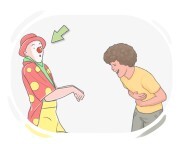
fun [Adjetivo]

providing entertainment or amusement

اجرا کردن

divertido

Ex: The fun day at the amusement park was filled with laughter and excitement .
funny [Adjetivo]

able to make people laugh

اجرا کردن

gracioso

Ex: He 's a funny character , always coming up with quirky ideas .

Es un personaje divertido, siempre se le ocurren ideas peculiares.

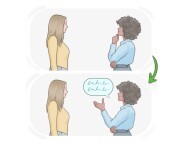
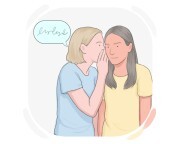
to say [Verbo]

to use words and our voice to show what we are thinking or feeling

اجرا کردن

decir

Ex: He was saying that he wanted to quit his job and travel the world .

Él decía que quería dejar su trabajo y viajar por el mundo.

to tell [Verbo]

to use words and give someone information

اجرا کردن

contar

Ex: Did he tell you about the new project ?

¿Te dijo él sobre el nuevo proyecto?

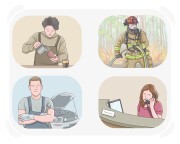
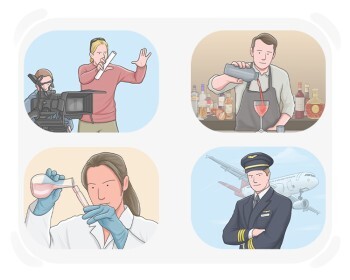
work [Sustantivo]

something that we do regularly to earn money

اجرا کردن

trabajo

Ex: During the summer break , she took up work as a tour guide .

Durante las vacaciones de verano, ella tomó un trabajo como guía turística.

job [Sustantivo]

the work that we do regularly to earn money

اجرا کردن

trabajo

Ex: He enjoys his job because it allows him to be creative .

Disfruta de su trabajo porque le permite ser creativo.

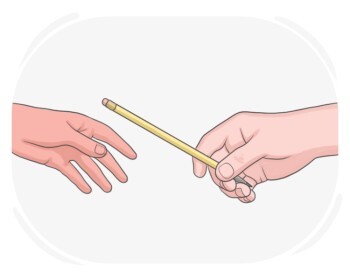
to lend [Verbo]

to give someone something, like money, expecting them to give it back after a while

اجرا کردن

prestar

Ex: She agreed to lend her friend some money until the next payday .

Ella accedió a prestarle algo de dinero a su amigo hasta el próximo día de pago.

to borrow [Verbo]

to use or take something belonging to someone else, with the idea of returning it

اجرا کردن

pedir prestado

Ex: Can I borrow your umbrella ?

¿Puedo pedir prestado tu paraguas? Está lloviendo afuera y dejé el mío en casa.

to bring a type of information from the past to our mind again

اجرا کردن

recordar

Ex: Can you remember the name of the book we were talking about ?

¿Puedes recordar el nombre del libro del que estábamos hablando?

to remind [Verbo]

to make a person remember an obligation, task, etc. so that they do not forget to do it

اجرا کردن

recordar

Ex: The manager regularly reminds employees of upcoming deadlines .

El gerente recuerda regularmente a los empleados los plazos próximos.

to rob [Verbo]

to take something from an organization, place, etc. without their consent, or with force

اجرا کردن

robar

Ex: The masked intruder attempted to rob the convenience store at gunpoint .

El intruso enmascarado intentó robar la tienda de conveniencia a punta de pistola.

to steal [Verbo]

to take something from someone or somewhere without permission or paying for it

اجرا کردن

robar

Ex: She steals cookies from the jar when no one is looking .

Ella roba galletas del tarro cuando nadie está mirando.