pattern

Total English - Intermediate - Unit 4 - Vocabulary

Here you will find the words from Unit 4 - Vocabulary in the Total English Intermediate coursebook, such as "bill", "reduction", "lend", etc.

Review

Flashcards

Forms

Spelling

Quiz
Start learning
Total English - Intermediate
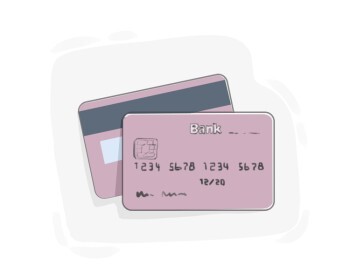
debit card

a small plastic card we use to pay for what we buy with the money taken directly from our bank account
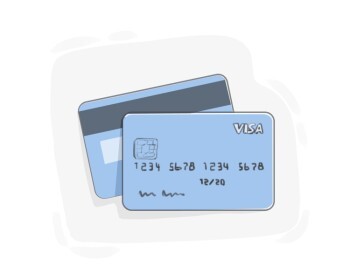
Ex: He uses his debit card to pay his monthly bills. 
Close
Sign in
credit card

a plastic card, usually given to us by a bank, that we use to pay for goods and services
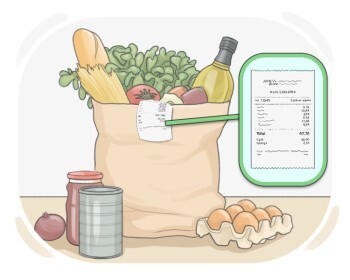
Ex: He applied for a new credit card with a lower interest rate. 
Close
Sign in
receipt
receipt
[noun]

a written or printed document that shows the payment for a set of goods or services has been made

Ex: I couldn't read the faded print on the receipt. 
Close
Sign in
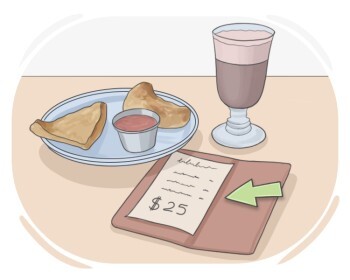
bill
bill
[noun]

a piece of printed paper that shows the amount of money a person has to pay for goods or services received
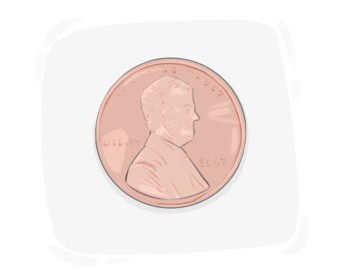
Ex: She asked the waiter for the bill after finishing her meal. 
Close
Sign in
coin
coin
[noun]

a piece of metal, typically round and flat, used as money, issued by governments

Ex: She found a rare coin from the 19th century while cleaning out her grandfather's attic. 
Close
Sign in
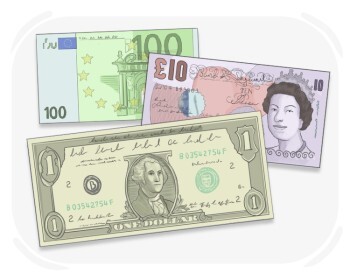
note
note
[noun]

paper money issued by a government or financial institution that is used to buy goods and services
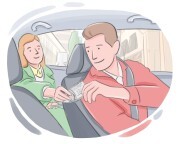
Ex: She handed the cashier a ten-dollar note to pay for her groceries. 
Close
Sign in
fare
fare
[noun]

the amount of money we pay to travel with a bus, taxi, plane, etc.

Ex: She bought a monthly pass to save on daily fare expenses. 
Close
Sign in
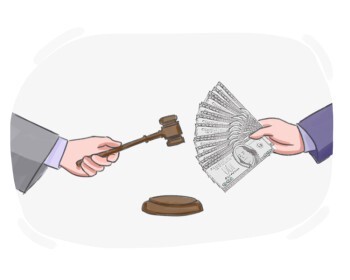
fine
fine
[noun]

an amount of money that must be paid as a legal punishment

Ex: He had to pay a hefty fine for speeding on the highway. 
Close
Sign in
price
price
[noun]

the amount of money required for buying something
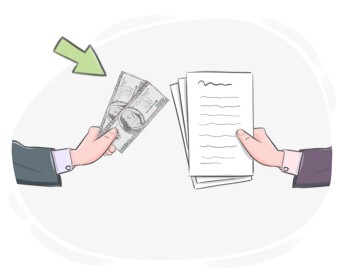
Ex: He checked the price of the flight online. 
Close
Sign in
fee
fee
[noun]

the money that is paid to a professional or an organization for their services

Ex: The lawyer's fee for handling the case was quite high. 
Close
Sign in
reduction
reduction
[noun]

a decline in amount, degree, etc. of a particular thing

Ex: The company implemented cost-cutting measures that led to a reduction in expenses. 
Close
Sign in
refund
refund
[noun]

an amount of money that is paid back because of returning goods to a store or one is not satisfied with the goods or services
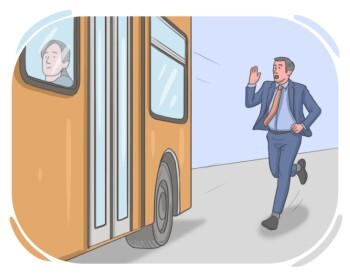
Ex: She received a full refund after returning the defective shoes. 
Close
Sign in
to lose
to lose
[Verb]

to be deprived of or stop having someone or something

Ex: She lost her hearing as a result of the loud explosion. 
Close
Sign in
to miss
to miss
[Verb]

to fail to catch a bus, airplane, etc.
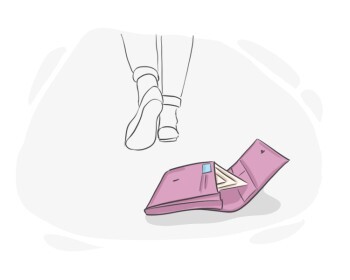
Ex: I got lost on my way to the airport and I'm going to miss my flight. 
Close
Sign in
lost
lost
[Adjective]

unable to be located or recovered and is no longer in its expected place

Ex: I realized my wallet was lost when I couldn't find it at the coffee shop after paying for my drink. 
Close
Sign in
missed
missed
[Adjective]

not perceived, noticed, or apprehended, often due to a lack of attention, awareness, or understanding
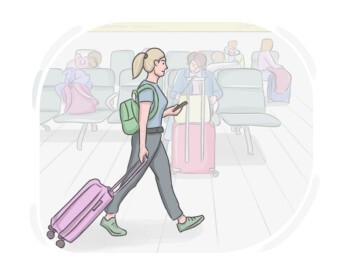
Ex: The missed detail in the contract led to legal disputes later on. 
Close
Sign in
travel
travel
[noun]

the act of going to a different place, usually a place that is far

Ex: Travel to foreign countries can be an eye-opening experience. 
Close
Sign in
trip
trip
[noun]

a journey that you take for fun or a particular reason, generally for a short amount of time

Ex: The family planned a trip to the beach for their summer vacation. 
Close
Sign in
fun
fun
[Adjective]

providing entertainment or amusement

Ex: The fun day at the amusement park was filled with laughter and excitement. 
Close
Sign in
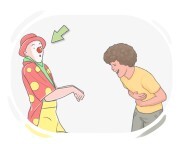
funny
funny
[Adjective]

able to make people laugh

Ex: He's a funny character, always coming up with quirky ideas. 
Close
Sign in
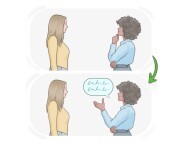
to say
to say
[Verb]

to use words and our voice to show what we are thinking or feeling
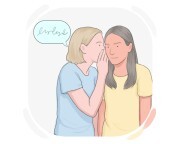
Ex: He was saying that he wanted to quit his job and travel the world. 
Close
Sign in
to tell
to tell
[Verb]

to use words and give someone information

Ex: Did he tell you about the new project? 
Close
Sign in
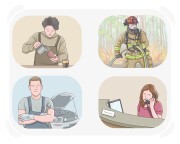
work
work
[noun]

something that we do regularly to earn money
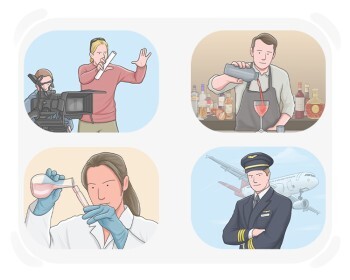
Ex: During the summer break, she took up work as a tour guide. 
Close
Sign in
job
job
[noun]

the work that we do regularly to earn money
Ex: He enjoys his job because it allows him to be creative. 
Close
Sign in
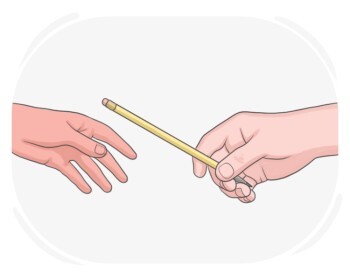
to lend
to lend
[Verb]

to give someone something, like money, expecting them to give it back after a while

Ex: She agreed to lend her friend some money until the next payday. 
Close
Sign in
to borrow
to borrow
[Verb]

to use or take something belonging to someone else, with the idea of returning it
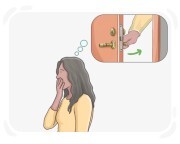
Ex: Can I borrow your umbrella? It's raining outside, and I left mine at home. 
Close
Sign in
to remember

to bring a type of information from the past to our mind again
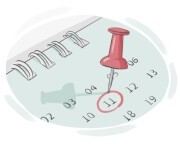
Ex: Can you remember the name of the book we were talking about? 
Close
Sign in
to remind
to remind
[Verb]

to make a person remember an obligation, task, etc. so that they do not forget to do it
Ex: The manager regularly reminds employees of upcoming deadlines. 
Close
Sign in
to rob
to rob
[Verb]

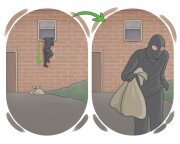
to take something from an organization, place, etc. without their consent, or with force

Ex: The masked intruder attempted to rob the convenience store at gunpoint. 
Close
Sign in
to steal
to steal
[Verb]

to take something from someone or somewhere without permission or paying for it

Ex: She steals cookies from the jar when no one is looking. 
Close
Sign in
LanGeek
Download LanGeek app