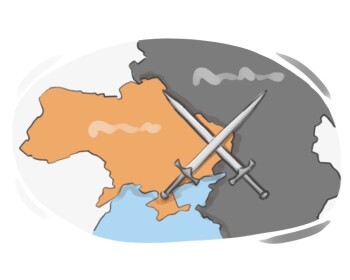
pattern

El libro Solutions - Avanzado - Unidad 5 - 5A - Parte 1

Aquí encontrarás el vocabulario de la Unidad 5 - 5A - Parte 1 del libro de curso Solutions Advanced, como 'ultimátum', 'insurgencia', 'atrocidad', etc.

Revisión

Tarjetas de memoria

formas

Ortografía

Cuestionario

Empezar a aprender
Solutions - Advanced
war
war
[Sustantivo]

a state of armed fighting between two or more groups, nations, or states

guerra

guerra

Ex: The impact of war on civilians is often devastating, leading to displacement, injury, and loss. 

El impacto de la guerra en los civiles suele ser devastador, lo que lleva al desplazamiento, lesiones y pérdidas.

conflict
conflict
[Sustantivo]

a disagreement or argument over something important

conflicto

conflicto

Ex: Their conflict was resolved through negotiation. 

Su conflicto se resolvió mediante la negociación.

ally
ally
[Sustantivo]

a country that aids another country, particularly if a war breaks out

aliado

aliado

Ex: As an ally, they agreed to assist in military operations and share intelligence. 

Como aliado, acordaron asistir en operaciones militares y compartir inteligencia.

asymmetric warfare
asymmetric warfare
[Sustantivo]

a conflict where one side uses unconventional tactics to fight a stronger, more traditional military force

guerra asimétrica, conflicto asimétrico

guerra asimétrica, conflicto asimétrico

Ex: Asymmetric warfare often involves ambushes and guerrilla tactics. 

La guerra asimétrica a menudo implica emboscadas y tácticas de guerrilla.

atrocity
atrocity
[Sustantivo]

an extremely brutal act, especially in war

maldad

maldad

Ex: The international community condemned the atrocity, calling for immediate action to bring the perpetrators to justice. 

La comunidad internacional condenó la atrocidad, pidiendo una acción inmediata para llevar a los perpetradores ante la justicia.
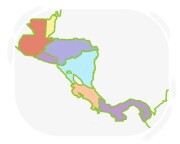
border
border
[Sustantivo]

a line that separates two countries, provinces, or states from each other

frontera
frontera

Ex: The fence marks the border between the two properties, ensuring clear demarcation. 

La valla marca la frontera entre las dos propiedades, asegurando una demarcación clara.

civilian
civilian
[Adjetivo]

relating to a person who is not a member of the military or police force and does not hold an official position in the government

civil

civil

Ex: The civilian casualties in the conflict sparked international concern and condemnation. 

Las víctimas civiles en el conflicto provocaron preocupación y condena internacional.

government
government
[Sustantivo]

the group of politicians in control of a country or state

gobierno

gobierno

Ex: The government is responsible for ensuring that laws are followed and citizens' rights are protected. 

El gobierno es responsable de asegurar que se cumplan las leyes y que se protejan los derechos de los ciudadanos.

coalition
coalition
[Sustantivo]

an alliance between two or more countries or between political parties when forming a government or during elections

coalición

coalición

Ex: The opposition parties formed a coalition to challenge the ruling party in the upcoming elections. 

Los partidos de la oposición formaron una coalición para desafiar al partido gobernante en las próximas elecciones.

guerrilla force
guerrilla force
[Sustantivo]

a small, illegitimate military group characterized by fast-moving actions, utilizing violence, terrorism, traps, and hit-and-run tactics against official military and police forces

fuerza guerrillera, grupo guerrillero

fuerza guerrillera, grupo guerrillero

Ex: The village was controlled by a guerrilla force that fought against the occupying army. 

El pueblo estaba controlado por una fuerza guerrillera que luchaba contra el ejército ocupante.

insurgency
insurgency
[Sustantivo]

a rebellion or armed uprising against established authority

insurgencia

insurgencia

Ex: The army was deployed to combat the insurgency that had spread across the countryside. 

El ejército fue desplegado para combatir la insurgencia que se había extendido por el campo.

invasion
invasion
[Sustantivo]

the act of invading or entering a territory, country, or region by force or without permission, often with the intent to control or dominate the area and its inhabitants

invasión

invasión

Ex: The general oversaw the invasion plan, ensuring strategic deployment of troops. 

El general supervisó el plan de invasión, asegurando el despliegue estratégico de las tropas.

leader
leader
[Sustantivo]

a person who leads or commands others

líder

líder

Ex: Effective political leaders prioritize the welfare of their constituents. 

Los líderes políticos efectivos priorizan el bienestar de sus electores.

occupation
occupation
[Sustantivo]

a person's profession or job, typically the means by which they earn a living

ocupación, profesión
ocupación, profesión

Ex: Many people find fulfillment in pursuing an occupation that aligns with their passions and interests. 

Muchas personas encuentran satisfacción al ejercer una ocupación que se alinea con sus pasiones e intereses.

security
security
[Sustantivo]

the state of being protected or having protection against any types of danger

seguridad, estabilidad

seguridad, estabilidad

Ex: The company hired additional security to protect the event from any potential threats. 

La empresa contrató seguridad adicional para proteger el evento de cualquier amenaza potencial.

Special Forces
Special Forces
[Sustantivo]

units within legitimate armed forces, comprising elite soldiers specially trained to undertake challenging missions and combat adversaries such as guerrilla forces and terrorists

Fuerzas Especiales, Boinas Verdes

Fuerzas Especiales, Boinas Verdes

Ex: He joined the Special Forces to serve in high-risk international assignments. 

Se unió a las Fuerzas Especiales para servir en misiones internacionales de alto riesgo.
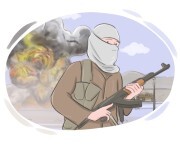
terrorist
terrorist
[Sustantivo]

person who uses violence or threats to achieve political or ideological goals by targeting innocent people or civilians

terrorista, extremista violento

terrorista, extremista violento

Ex: The government implemented stricter security measures in response to threats from terrorists targeting major infrastructure. 

El gobierno implementó medidas de seguridad más estrictas en respuesta a las amenazas de los terroristas que apuntan a infraestructuras importantes.

training
training
[Sustantivo]

the process during which someone learns the skills needed in order to do a particular job

capacitación, adiestramiento

capacitación, adiestramiento

Ex: Teacher training programs focus on effective classroom management techniques. 

Los programas de formación docente se centran en técnicas efectivas de gestión del aula.

camp
camp
[Sustantivo]

a military facility where troops are stationed for training or operational purposes

campo

campo

Ex: The camp provided essential supplies and equipment for the soldiers. 

El campamento proporcionó suministros y equipos esenciales para los soldados.

troops
troops
[Sustantivo]

groups of soldiers organized for military operations, often used to refer collectively to military personnel or forces in a particular area or situation

tropas, fuerzas militares

tropas, fuerzas militares

Ex: The troops faced harsh conditions while deployed in the desert. 

Las tropas enfrentaron condiciones duras mientras estaban desplegadas en el desierto.

to deliver
to deliver
[Verbo]

to convey a speech, idea, etc. to an audience in a clear and effective manner

pronunciar, entregar

pronunciar, entregar

Ex: She delivered a powerful presentation on climate change, urging the audience to take action. 

Ella pronunció una presentación poderosa sobre el cambio climático, instando a la audiencia a tomar medidas.

to give
to give
[Verbo]

to guess how long something will last

dar

dar

Ex: With their constant arguments, I give their friendship only a few more weeks. 

Con sus constantes discusiones, les doy a su amistad solo unas pocas semanas más.

to issue
to issue
[Verbo]

to officially start a legal process against someone, often with a document

publicar

publicar

Ex: The judge issued a writ against the company. 

El juez emitió un auto contra la empresa.

to present
to present
[Verbo]

to deliver a speech or presentation that publicly expresses one's ideas, plans, etc.

presentar

presentar

Ex: The advocate will present her case for environmental conservation at the community forum. 

La defensora presentará su caso para la conservación del medio ambiente en el foro comunitario.

to send
to send
[Verbo]

to have a person, letter, or package physically delivered from one location to another, specifically by mail

enviar

enviar

Ex: She decided to send a handwritten letter to her friend who lived overseas. 

Ella decidió enviar una carta escrita a mano a su amigo que vivía en el extranjero.

to receive
to receive
[Verbo]

to be given something or to accept something that is sent

recibir
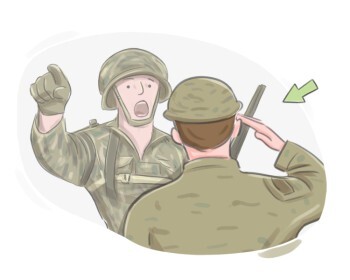
recibir

Ex: The charity received a large donation from an anonymous benefactor. 

La organización benéfica recibió una gran donación de un benefactor anónimo.

to comply
to comply
[Verbo]

to act in accordance with rules, regulations, or requests

cumplir

cumplir

Ex: The company implemented new security measures, and everyone needs to comply. 

La empresa implementó nuevas medidas de seguridad, y todos necesitan cumplir.

to ignore
to ignore
[Verbo]

to intentionally pay no or little attention to someone or something

ignorar

ignorar

Ex: It's important not to ignore the early signs of a potential problem for timely resolution. 

Es importante no ignorar los primeros signos de un problema potencial para una resolución oportuna.

to withdraw

to remove something from a specific location or situation

retirar, quitar

retirar, quitar

Ex: He carefully withdrew the painting from its frame to examine the signature on the back. 

Retiró cuidadosamente el cuadro de su marco para examinar la firma en la parte posterior.

ultimatum
ultimatum
[Sustantivo]

a final and serious demand made by one person to another, which includes consequences if the demand is not met

ultimátum

ultimátum

Ex: The company presented an ultimatum to the workers, offering a pay raise or facing layoffs. 

La empresa presentó un ultimátum a los trabajadores, ofreciendo un aumento de sueldo o enfrentando despidos.

to be
to be
[Verbo]

used when naming, or giving description or information about people, things, or situations

ser, estar, tener

ser, estar, tener

Ex: The movie was entertaining. 

La película era entretenida.

to fight
to fight
[Verbo]

to take part in a violent physical action against someone

pelear, luchar

pelear, luchar

Ex: The two animals fought over territory, growling loudly. 

Los dos animales lucharon por el territorio, gruñendo fuertemente.

to win
to win
[Verbo]

to become the most successful, the luckiest, or the best in a game, race, fight, etc.

ganar

ganar

Ex: Did the home team win the basketball game last night? 

¿Ganó el equipo local el partido de baloncesto anoche?

to lose
to lose
[Verbo]

to not win in a race, fight, game, etc.

perder, fracasar

perder, fracasar

Ex: Our team lost to the undefeated champions. 

Nuestro equipo perdió contra los campeones invictos.

to declare
to declare
[Verbo]

to officially tell people something

declarar, manifestar
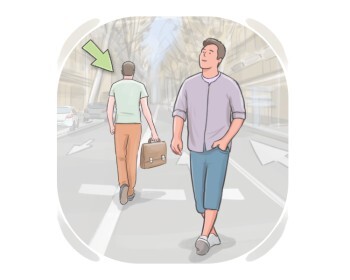
declarar, manifestar

Ex: The president addressed the nation to formally declare war against the aggressor. 

El presidente se dirigió a la nación para declarar formalmente la guerra contra el agresor.

to go
to go
[Verbo]

to travel or move from one location to another

ir

ir

Ex: They have been to Australia twice and loved the experience. 

Han ido a Australia dos veces y les encantó la experiencia.

rise to power
rise to power
[Sustantivo]

the process of promoting to a new position or gaining political power

ascenso al poder, llegada al poder

ascenso al poder, llegada al poder

Ex: The revolution led to the rise to power of a new leader who promised change. 

La revolución llevó a el ascenso al poder de un nuevo líder que prometió cambios.

to assume
to assume
[Verbo]

to take or begin to have power or responsibility

aceptar
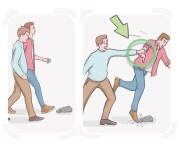
aceptar

Ex: After the accident, she assumed responsibility for organizing the event. 

Después del accidente, ella asumió la responsabilidad de organizar el evento.

to seize
to seize
[Verbo]

to suddenly and forcibly take hold of something

agarrar, coger

agarrar, coger

Ex: The goalkeeper managed to seize the ball just before the opponent could score. 

El portero logró agarrar el balón justo antes de que el oponente pudiera anotar.

to take
to take
[Verbo]

to capture a place and obtain control over it

tomar

tomar

Ex: The rebels tried to take control of the city. 

Los rebeldes intentaron tomar el control de la ciudad.

to fall
to fall
[Verbo]

to lose a position of power, authority, or influence, often as a result of a negative event or circumstance

caer, desplomarse
caer, desplomarse

Ex: The dictator's oppressive regime fell when widespread protests and international pressure mounted against him. 

El régimen opresivo del dictador cayó cuando las protestas generalizadas y la presión internacional aumentaron contra él.

to give up
to give up
[Verbo]

to stop trying when faced with failures or difficulties

rendirse

rendirse

Ex: The team was losing, but they didn't give up, and their determination led to a comeback victory. 

El equipo estaba perdiendo, pero no se rindieron, y su determinación condujo a una victoria de regreso.

LanGeek
Descargar la aplicación LanGeek