pattern

Vocabulario para IELTS Academic (Puntuación 5) - Lenguaje Corporal y Gestos

Aquí, aprenderás algunas palabras en inglés relacionadas con el lenguaje corporal y los gestos que son necesarios para el examen básico académico de IELTS.

Revisión

Tarjetas de memoria

formas

Ortografía

Cuestionario

Empezar a aprender
Vocabulary for IELTS Academic (Band 5)
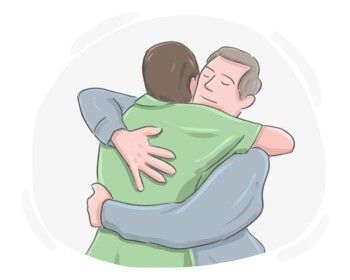
to embrace
to embrace
[Verbo]

to hold someone tightly in one's arms, especially to show affection

abrazar

abrazar

Ex: At their wedding, the couple paused to embrace each other, sealing their commitment with a loving hug. 

En su boda, la pareja se detuvo para abrazarse, sellando su compromiso con un cariñoso abrazo.

to gesture
to gesture
[Verbo]

to express a meaning with a movement of the hands, face, head, etc.

hacer gestos, hacer un gesto
hacer gestos, hacer un gesto

Ex: During the negotiation, they gestured towards the proposed terms on the whiteboard. 

Durante la negociación, gesticulaban hacia los términos propuestos en la pizarra.

to nod
to nod
[Verbo]

to move one's head up and down as a sign of agreement, understanding, or greeting

asentir con la cabeza
asentir con la cabeza

Ex: The audience nodded in understanding as the speaker explained the concept. 

El público asintió con la cabeza en señal de comprensión mientras el orador explicaba el concepto.

to shake
to shake
[Verbo]

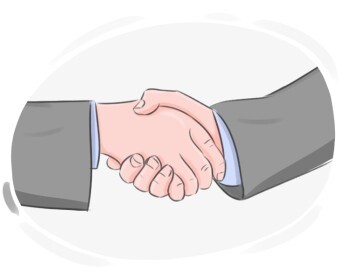
to take someone's hand and move it up and down, mainly for greeting

darse un apretón de manos, dar la mano
darse un apretón de manos, dar la mano

Ex: As a sign of mutual respect, the leaders shook hands in front of the gathered diplomats. 

Como señal de respeto mutuo, los líderes se dieron la mano frente a los diplomáticos reunidos.

to smile
to smile
[Verbo]

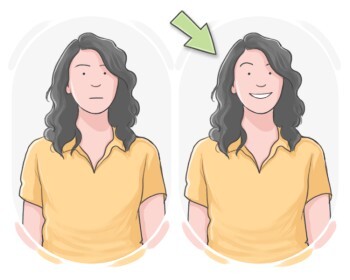
to make our mouth curve upwards, often in a way that our teeth can be seen, to show that we are happy or amused

sonreír
sonreír

Ex: The photograph captured the moment perfectly as they smiled together on their wedding day. 

La fotografía capturó el momento perfectamente mientras sonreían juntos en su día de boda.

to wave
to wave
[Verbo]

to raise one's hand and move it from side to side to greet someone or attract their attention

decir adiós con la mano, saludar con la mano

decir adiós con la mano, saludar con la mano

Ex: From the balcony, they waved to their friends waiting below. 

Desde el balcón, saludaron con la mano a sus amigos que esperaban abajo.

to hug
to hug
[Verbo]

to tightly and closely hold someone in one's arms, typically a person one loves

abrazarse

abrazarse

Ex: As a sign of support, he gently hugged his friend who was going through a tough time. 

Como muestra de apoyo, abrazó suavemente a su amigo que estaba pasando por un momento difícil.
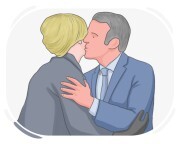
to kiss
to kiss
[Verbo]

to touch someone else's lips or other body parts with one's lips to show love, sexual desire, respect, etc.

besar

besar

Ex: The actors are kissing in the romantic scene of the movie. 

Los actores se besan en la escena romántica de la película.

to high-five

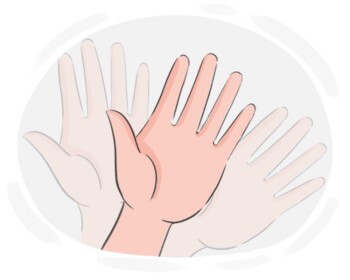
to enthusiastically slap someone's raised palm with your own as a celebration, greeting, or show of agreement

cinco altos

cinco altos

Ex: The crowd cheered and high-fived strangers after the announcement. 

La multitud vitoreó y chocó los cinco a extraños después del anuncio.
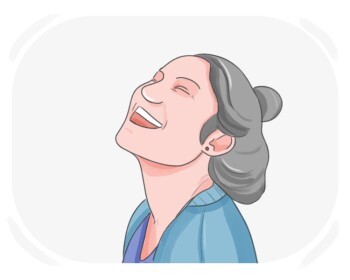
to laugh
to laugh
[Verbo]

to make happy sounds and move our face like we are smiling because something is funny

reírse
reírse

Ex: The children laughed joyfully as they played together. 

Los niños reían alegremente mientras jugaban juntos.

to greet
to greet
[Verbo]

to give someone a sign of welcoming or a polite word when meeting them

saludar, recibir

saludar, recibir

Ex: Colleagues often greet each other at the beginning of the workday with a friendly "good morning." 

Los colegas a menudo se saludan al comienzo de la jornada laboral con un amistoso "buenos días".

to frown
to frown
[Verbo]

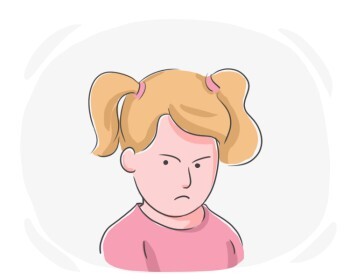
to bring your eyebrows closer together showing anger, sadness, or confusion

fruncir el ceño, fruncir el entrecejo

fruncir el ceño, fruncir el entrecejo

Ex: The baby started to frown when the loud noise interrupted her nap. 

El bebé empezó a fruncir el ceño cuando el ruido fuerte interrumpió su siesta.

to lower
to lower
[Verbo]

to drop one's eyebrows, chin, or gaze to express sadness, disapproval, or shame, or to show less intensity or hostility in a facial expression

bajar, inclinar

bajar, inclinar

Ex: The child's face fell, and he lowered, sulking in the corner. 

El rostro del niño se ensombreció, y bajó la mirada, enfurruñado en la esquina.

to incline
to incline
[Verbo]

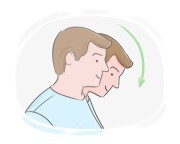
to bend one's head downward, particularly as an act of agreement, greeting, etc.

inclinar, reverencia

inclinar, reverencia

Ex: As a sign of respect, the queen inclined her head to greet the ambassador. 

Como muestra de respeto, la reina inclinó la cabeza para saludar al embajador.
to tap
to tap
[Verbo]

to hit someone or something gently, often with a few quick light blows

dar un golpecito a, tocando
dar un golpecito a, tocando

Ex: The boxer is tapping his opponent's gloves, signaling sportsmanship. 

El boxeador está golpeando suavemente los guantes de su oponente, señal de deportividad.

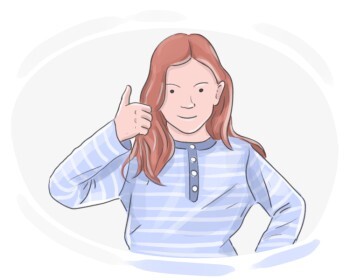
thumbs up
thumbs up
[Frase]

an instance or gesture that indicates approval or satisfaction

pulgar arriba, señal de aprobación

pulgar arriba, señal de aprobación

Ex: The coach gave a thumbs up to the player's performance, praising their skills and effort. 

El público le dio un gran pulgar arriba al nuevo diseño.

thumbs down
thumbs down
[Sustantivo]

used to indicate failure or disapproval

pulgar abajo, rechazo claro

pulgar abajo, rechazo claro

Ex: The proposal was given thumbs down by the committee since it failed to provide enough details. 

La mayoría del personal le dio pulgar abajo al nuevo logo.
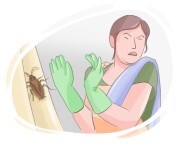
to cringe
to cringe
[Verbo]

to draw back involuntarily, often in response to fear, pain, embarrassment, or discomfort

encogerse

encogerse

Ex: The sharp criticism from her boss made her cringe with embarrassment. 

Las duras críticas de su jefe la hicieron estremecerse de vergüenza.

to [blow] {sb} a kiss

to make a kissing gesture with one's hand or lips and send it toward another person as a sign of affection

besar

besar

Ex: When the performer finished their act on stage, the audience cheered, and they blew kisses to show their appreciation. 
to [cross] {one's} fingers

to hope for good luck or a positive outcome, often literally or symbolically overlapping the middle finger over the index finger

desear todo lo mejor

desear todo lo mejor

Ex: "Test results come out tomorrow, I'm crossing my fingers for good news." 
to giggle
to giggle
[Verbo]

to laugh in a light, silly, or often uncontrollable way as a result of nervousness or embarrassment

reírse tontamente

reírse tontamente

Ex: The friends shared a secret joke, causing them to giggle uncontrollably. 

Los amigos compartieron un chiste secreto, lo que les hizo reírse de manera incontrolable.

to [bite]  {one's} lip

to press one's teeth against the lip as a reaction to emotion, pain, or to prevent oneself from saying something

morderse los labios
morderse los labios

Ex: The child bit his lip to keep from crying after falling down. 
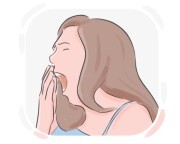
to yawn
to yawn
[Verbo]

to unexpectedly open one's mouth wide and deeply breathe in because of being bored or tired

bostezar

bostezar

Ex: The monotonous presentation made the audience yawn uncontrollably. 

La presentación monótona hizo que el público bostezara incontrolablemente.

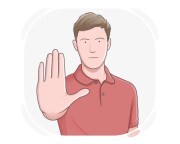
to [hold] hands

to link hands with someone as an expression of affection, unity, or support

tomados de la mano
tomados de la mano

Ex: During the team-building exercise, participants were asked to hold hands to form a circle. 
to signal
to signal
[Verbo]

to give someone a message, instruction, etc. by making a sound or movement

hacer señas a, hacer una seña a

hacer señas a, hacer una seña a

Ex: The traffic officer signaled drivers to stop or proceed using hand signals. 

El agente de tráfico señaló a los conductores que se detuvieran o procedieran usando señales manuales.

to [raise] (some|a few|many|) eyebrows

to cause surprise, curiosity, or mild shock among people due to something unconventional, unexpected, or controversial

levantar cejas, causar sorpresa

levantar cejas, causar sorpresa

Ex: Her unusually direct question raised eyebrows in the meeting. 

Su pregunta inusualmente directa levantó cejas en la reunión.

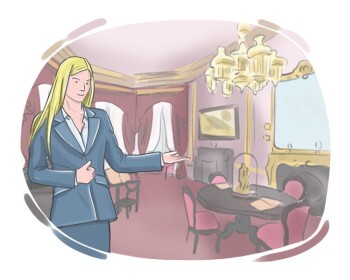
to welcome
to welcome
[Verbo]

to meet and greet someone who has just arrived

dar la bienvenida
dar la bienvenida

Ex: The students organized a party to welcome the new exchange student. 

Los estudiantes organizaron una fiesta para dar la bienvenida al nuevo estudiante de intercambio.

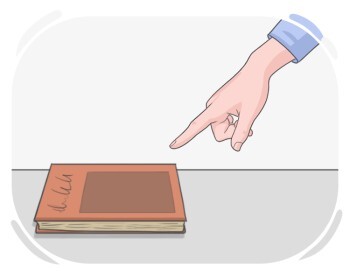
to point
to point
[Verbo]

to show the place or direction of someone or something by holding out a finger or an object

indicar

indicar

Ex: She pointed to the location of the hidden treasure on the map. 

Ella señaló la ubicación del tesoro escondido en el mapa.

LanGeek
Descargar la aplicación LanGeek