pattern

Liste de Mots Niveau A2 - Modal et Autres Verbes

Ici, vous apprendrez quelques verbes modaux et autres verbes anglais, tels que "pouvoir", "devoir" et "améliorer", préparés pour les apprenants de niveau A2.

Réviser

Flashcards

formes

Orthographe

Quiz

Commencer à apprendre
CEFR A2 Vocabulary
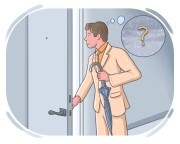
can
can
[verbe]

to be able to do somehing, make something, etc.

pouvoir
pouvoir

Ex: Using her artistic talents, she can paint beautiful landscapes. 
may
may
[verbe]

used to show the possibility of something happening or being the case

pouvoir

pouvoir

Ex: She may arrive early to the meeting if traffic is light. 

Elle peut arriver tôt à la réunion si la circulation est fluide.
must
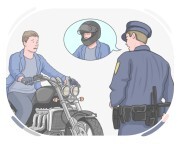
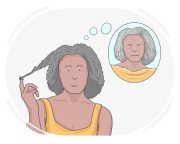
must
[verbe]

used to show that something is very important and needs to happen

devoir, être dans l'obligation, il faut absolument que + [subjonctif]
devoir, être dans l'obligation, il faut absolument que + [subjonctif]

Ex: Employees must attend the mandatory training session next week. 
will
will
[verbe]

used for forming future tenses

[futur simple], vouloir

[futur simple], vouloir

Ex: She will visit her grandparents next weekend. 
could
could
[verbe]

used to ask if one can do something

[pouvoir au conditionnel]

[pouvoir au conditionnel]

Ex: Could you help me with my homework? 

Pourrais-tu m'aider avec mes devoirs ?

might
might
[verbe]

used to express a possibility

pouvoir

pouvoir

Ex: She might attend the party if she finishes her work on time. 
would
would
[verbe]

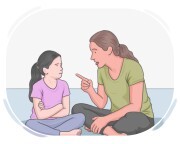
used as the past form of "will" when reporting what someone has said or thought

[verbe au conditionnel]
[verbe au conditionnel]

Ex: She told me she would call me later. 
should
should
[verbe]

used to say what is suitable, right, etc., particularly when one is disapproving of something

devoir [au conditionnel]

devoir [au conditionnel]

Ex: In a professional setting, employees should adhere to the company's code of conduct. 

Dans un cadre professionnel, les employés devraient respecter le code de conduite de l'entreprise.

used to
used to
[verbe]

used to say that something happened frequently or constantly in the past but not anymore

avoir l'habitude de

avoir l'habitude de

Ex: They used to live in the city before they moved to the countryside. 

Ils avaient l'habitude de vivre en ville avant de déménager à la campagne.
to mean
to mean
[verbe]

to have a particular meaning or represent something

signifier, vouloir dire

signifier, vouloir dire

Ex: The siren means there's an emergency. 
to check
to check
[verbe]

to discover information about something or someone by looking, asking, or investigating

vérifier

vérifier

Ex: Let me check the train schedule to find the next available departure. 
to carry
to carry
[verbe]

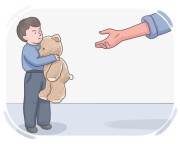
to hold someone or something and take them from one place to another

porter
porter

Ex: The delivery truck will carry the goods to the warehouse. 
to keep
to keep
[verbe]

to have or continue to have something

tenir

tenir

Ex: He found a lost wallet on the street and decided to keep it until he could find the owner. 
to wait
to wait
[verbe]

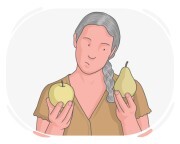
to not leave until a person or thing is ready or present or something happens

attendre
attendre

Ex: Please wait a moment while I check on the availability of the item. 
to compare
to compare
[verbe]

to examine or look for the differences between of two or more objects

comparer

comparer

Ex: The students were asked to compare the themes of two different novels. 
to improve
to improve
[verbe]

to make a person or thing better

améliorer
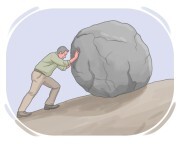
améliorer

Ex: Adding more details to your essay will improve its clarity and depth. 
to try
to try
[verbe]

to make an effort or attempt to do or have something

essayer
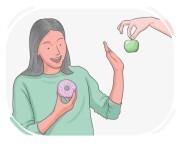
essayer

Ex: I'm going to try to study for my exam. 
to prefer
to prefer
[verbe]

to want or choose one person or thing instead of another because of liking them more

préférer
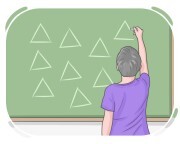
préférer

Ex: Many people prefer to eat homemade meals over fast food. 
to repeat
to repeat
[verbe]

to complete an action more than one time

répéter
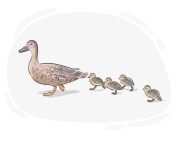
répéter

Ex: Athletes often repeat specific exercises to improve their skills. 
to follow
to follow
[verbe]

to move or travel behind someone or something

suivre

suivre

Ex: She entered the room, and her dog followed obediently. 
to allow
to allow
[verbe]

to let someone or something do a particular thing

permettre

permettre

Ex: The new policy allows employees to work remotely. 
to hurry
to hurry
[verbe]

to move or do something very quickly, particularly because of a lack of time

se dépêcher
se dépêcher

Ex: To catch the train, she had to hurry down the platform with her suitcase in hand. 
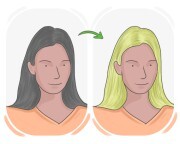
to change
to change
[verbe]

to make a person or thing different

changer, modifier
changer, modifier

Ex: She changed her hairstyle from long to short. 
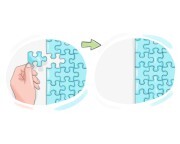
to complete

to bring something to an end by making it whole

achever, terminer

achever, terminer

Ex: The chef completes the final touches on the dish. 
to pick
to pick
[verbe]

to choose someone or something out of a group of people or things

choisir
choisir

Ex: The team captain will pick players for the upcoming match. 
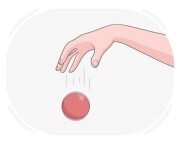
to drop
to drop
[verbe]

to let or make something fall to the ground

tomber, baisser
tomber, baisser

Ex: The children were dropping stones off the bridge. 
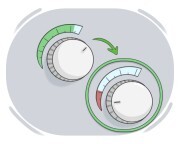
to reduce
to reduce
[verbe]

to make something smaller in amount, degree, price, etc.

diminuer, réduire
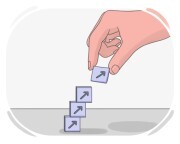
diminuer, réduire

Ex: Regular exercise and a healthy diet can help reduce the risk of certain diseases. 
to continue

to not stop something, such as a task or activity, and keep doing it

continuer
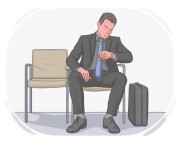
continuer

Ex: The rain continued to pour throughout the day. 
to stay
to stay
[verbe]

to remain in a particular place

rester
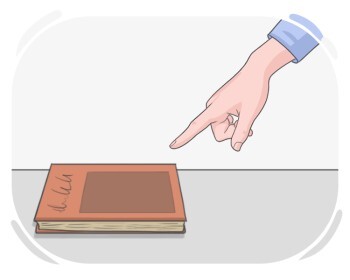
rester

Ex: The dog is trained to stay in one spot until given a command to move. 
to point
to point
[verbe]

to show the place or direction of someone or something by holding out a finger or an object

montrer (du doigt), indiquer
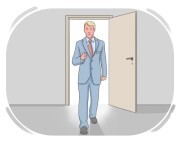
montrer (du doigt), indiquer

Ex: Teachers often point to the whiteboard to explain concepts. 
to enter
to enter
[verbe]

to come or go into a place

entrer

entrer

Ex: The students regularly enter the classroom before the bell rings. 
to refuse
to refuse
[verbe]

to not accept what someone has offered us or asked us to do

refuser

refuser

Ex: He refused to lend me his car because he needed it for himself. 
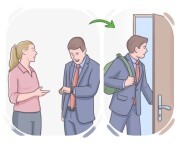
to return
to return
[verbe]

to go or come back to a person or place

retourner
retourner

Ex: The migratory birds return to their nesting grounds every spring. 
have to
have to
[verbe]

used to indicate an obligation or to emphasize the necessity of something happening

devoir, il faut que + [subjonctif]

devoir, il faut que + [subjonctif]

Ex: We have to pay our bills before the due date to avoid late fees. 

Nous devons payer nos factures avant la date d'échéance pour éviter des frais de retard.
to break
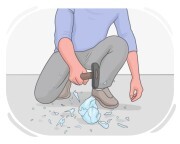
to break
[verbe]

to become damaged and separated into pieces because of a blow, shock, etc.

casser, se briser
casser, se briser

Ex: The plate slipped from her grasp and broke into shards. 
take care
take care
[Interjection]

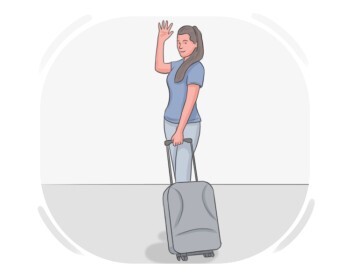
used when saying goodbye to someone, especially family and friends

prends soin de toi!, prenez soin de vous!

prends soin de toi!, prenez soin de vous!

Ex: Thanks for everything.  Take care, okay? 

Merci pour tout. Prends soin de toi, d'accord ?
to worsen
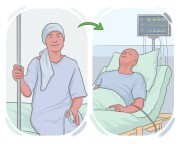
to worsen
[verbe]

to become less desirable, easy, or tolerable

empirer, se détériorer

empirer, se détériorer

Ex: The economic situation in the country continues to worsen, leading to increased unemployment. 

La situation économique dans le pays continue de se détériorer, ce qui entraîne une augmentation du chômage.

LanGeek
Télécharger l'application LanGeek