Список Слов Уровня A2 - Модальные и другие глаголы
Здесь вы выучите некоторые модальные и другие английские глаголы, такие как "мочь", "должен" и "улучшать", подготовленные для изучающих уровень A2.
Обзор
Флэш-карточки
формы
Правописание
Тест


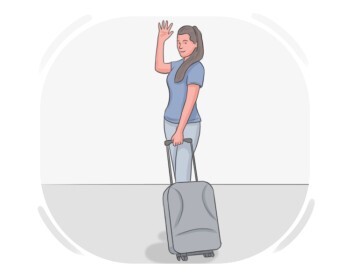
to be able to do somehing, make something, etc.

мочь
С его навыками плотника он может создавать сложные деревянные мебели.
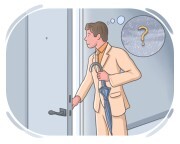
used to show the possibility of something happening or being the case
может быть
Может пойти дождь позже днем, так что не забудьте зонт.
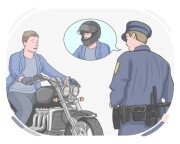
used to show that something is very important and needs to happen
должен
Студенты обязаны подать свои заявки до крайнего срока.
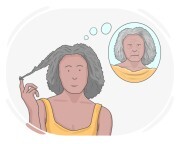
used for forming future tenses
будет
Я закончу свою домашнюю работу до ужина.

used to ask if one can do something
может
Не могли бы вы передать мне соль, пожалуйста?
used to express a possibility
возможно
Может пойти дождь позже вечером.
used as the past form of "will" when reporting what someone has said or thought
было бы
Она думала, что пойдет по магазинам после работы.
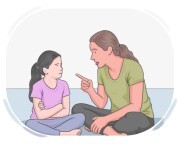
used to say what is suitable, right, etc., particularly when one is disapproving of something
следует
Вы всегда должны проявлять уважение к старшим.
used to say that something happened frequently or constantly in the past but not anymore
привыкнуть
Я раньше играл в футбол каждые выходные, когда был моложе.
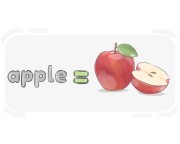
to have a particular meaning or represent something
значить
Его молчание означало, что он не заинтересован в разговоре.
to discover information about something or someone by looking, asking, or investigating
проверять
Он проверил карту, чтобы подтвердить маршрут.
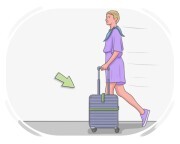
to hold someone or something and take them from one place to another
нести
Грузовик доставки перевезет товары на склад.
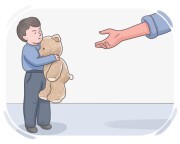
to have or continue to have something
хранить
Вам нужен этот документ обратно, или я могу оставить его для своих записей?

to not leave until a person or thing is ready or present or something happens
ждать, подождать
Мы терпеливо ждем, когда дождь прекратится.
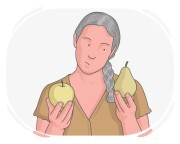
to examine or look for the differences between of two or more objects
сравнить
Она буквально потратила час, сравнивая цены, прежде чем совершить покупку.

to make a person or thing better
улучшать
Регулярные упражнения могут улучшить ваше общее здоровье.
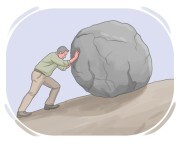
to make an effort or attempt to do or have something
пытаться
Он пытался поднять тяжелую коробку, но она была слишком тяжелой.
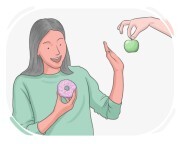
to want or choose one person or thing instead of another because of liking them more
предпочитать
Она предпочитает синее платье для вечеринки, потому что это её любимый цвет.
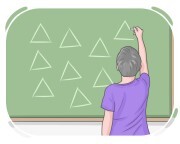
to complete an action more than one time
повторить
Учитель регулярно повторяет важные концепции, чтобы обеспечить понимание.
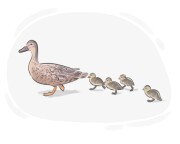
to move or travel behind someone or something
следовать
Команда следовала за своим лидером в гору.

to let someone or something do a particular thing
разрешать, позволять
Она разрешила своим детям играть в парке.

to move or do something very quickly, particularly because of a lack of time
спешить, торопить
Осознав, что опаздывает на встречу, Джон поспешил в конференц-зал.
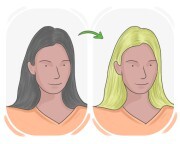
to make a person or thing different
изменить
Онлайн-шопинг изменил способ, которым люди покупают товары и услуги.
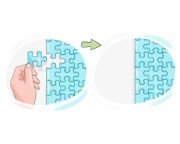
to bring something to an end by making it whole
выполнять
Она завершает свои задания до крайнего срока.

to choose someone or something out of a group of people or things
выбрать
Она осторожно выбрала спелое яблоко с дерева.
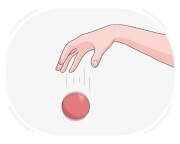
to let or make something fall to the ground
падать
Дети бросали камни с моста.
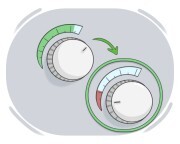
to make something smaller in amount, degree, price, etc.
сокращать, уменьшать
Компания решила снизить цены на свою продукцию, чтобы привлечь больше клиентов.
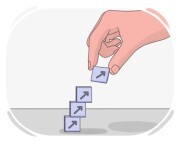
to not stop something, such as a task or activity, and keep doing it
продолжать
Они будут продолжать практиковаться в игре на пианино, чтобы улучшить свои навыки.
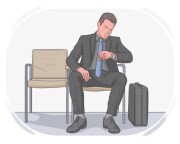
to remain in a particular place
оставаться
Погода слишком непредсказуема, поэтому лучше оставаться в помещении.
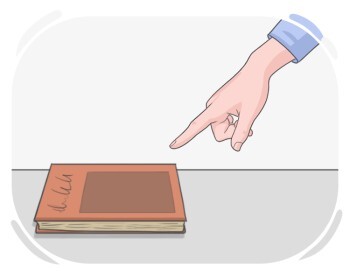
to show the place or direction of someone or something by holding out a finger or an object
указывать
На прошлой неделе спасатель указал на самое безопасное место для плавания.
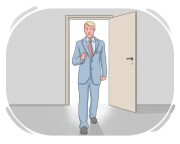
to come or go into a place
входить
Она входит в комнату с улыбкой на лице.
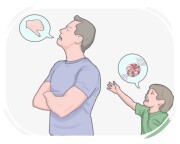
to not accept what someone has offered us or asked us to do
отказывать, отвергать
Она отказалась принять предложение о работе, потому что оно не соответствовало ее карьерным целям.

to go or come back to a person or place
возвращаться
После долгого отпуска пришло время вернуться домой.
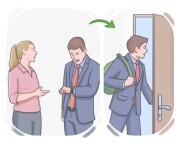
used to indicate an obligation or to emphasize the necessity of something happening
должен
Мне нужно закончить этот отчет до конца дня.
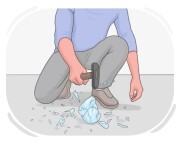
to become damaged and separated into pieces because of a blow, shock, etc.
ломать, разбивать
Игрушечная машинка сломалась после столкновения со стеной.