
Elenco di Parole Livello A2 - Verbi modali e altri verbi
Impara i verbi modali e altri verbi importanti inglesi A2 per esprimere capacità, possibilità, obbligo, consiglio, intenzione e altri significati comuni.
Ripasso
Flashcard
Ortografia
Quiz


to be able to do somehing, make something, etc.

potere
Come programmatore, può sviluppare applicazioni software complesse.

to express the possibility that something is true or could happen
potere
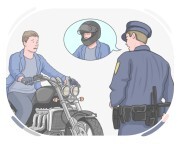
used to show that something is very important and needs to happen
dovere
I partecipanti devono completare il sondaggio per fornire un feedback prezioso.

used for forming future tenses
futuro semplice
L'azienda lancerà il suo nuovo prodotto il prossimo anno.

used to make a polite request or ask someone for permission
potevo
used to express a possibility
potrebbe
Potrebbero offrire sconti durante il periodo delle feste.
used as the past form of "will" when reporting what someone has said or thought
tempo passato
Ha chiesto se avrei potuto partecipare alla riunione.
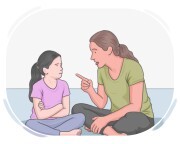
to express that something is right or appropriate, especially when criticizing what someone has done
dovrebbe
used to say that something happened frequently or constantly in the past but not anymore
abituato a
Eravamo soliti andare in vacanza al mare con la famiglia ogni estate.
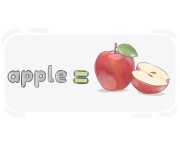
to have a particular meaning or represent something
significare
Il semaforo rosso significa che devi fermarti.
to discover information about something or someone by looking, asking, or investigating
controllare
Prima della riunione, dovremmo controllare l'agenda per sapere quali argomenti verranno discussi.

to hold someone or something and take them from one place to another
portare
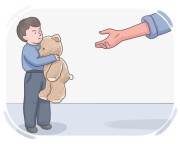
to have or continue to have something
tenere
Lei ha conservato tutti i suoi disegni come cari ricordi.

to not leave until a person or thing is ready or present or something happens
aspettare
Gli studenti hanno dovuto aspettare pazientemente i risultati dell'esame.
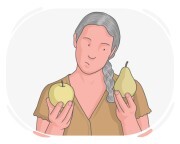
to examine or look for the differences between of two or more objects
comparare
Lo chef ama confrontare diverse tecniche di cottura per esaltare i sapori.

to make someone or something better in quality, condition, or performance
migliorare
Ha frequentato workshop per migliorare le sue competenze linguistiche per l'avanzamento di carriera.
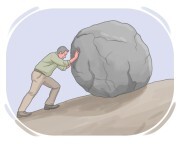
to make an effort or attempt to do or have something
provare
Abbiamo provato a trovare un parcheggio ma abbiamo dovuto parcheggiare lontano.
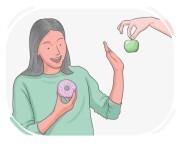
to like or value someone or something more than another and therefore choose them when given a choice
preferire
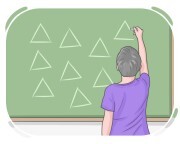
to complete an action more than one time
ripetere
Perché ripeti sempre gli stessi argomenti nella discussione?
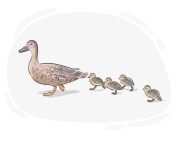
to move or travel behind someone or something
seguire
La processione si muoveva lentamente e la folla seguiva rispettosamente dietro.

to let someone or something do a particular thing
permettere
Le regole non consentono di fumare in questa area.

to move or do something very quickly, particularly because of a lack of time
affrettare
Non volendo perdere il volo, la famiglia si affrettò attraverso il posto di controllo di sicurezza dell'aeroporto.
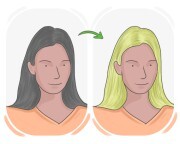
to make someone or something different from before
cambiare
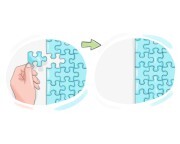
to finish making or doing something so that no work remains
completare

to choose someone or something out of a group of people or things
scegliere
Puoi aiutarmi a scegliere il colore migliore per le pareti del soggiorno?

to accidentally or deliberately let something fall
cadere
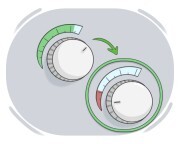
to make something smaller in amount, degree, price, etc.
ridurre
Lo chef ha suggerito di utilizzare ingredienti alternativi per ridurre il contenuto calorico del piatto.
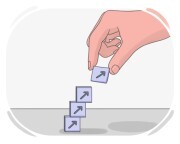
to keep doing an activity without stopping
continuare

to remain in a particular place
rimanere
Stavamo per andarcene, ma i nostri amici ci hanno convinto a restare per una partita a carte.
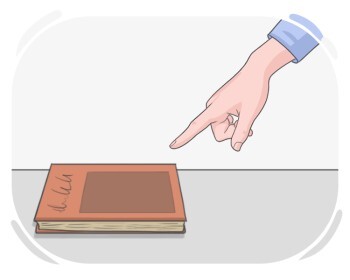
to show the place or direction of someone or something by holding out a finger or an object
puntare
Lei indica la mappa per mostrare dove si trova il parco.
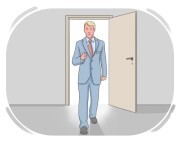
to come or go into a place
entrare
In questo momento, stanno entrando nell'auditorium per lo spettacolo.
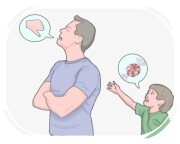
to reject something that is offered, proposed, or presented for acceptance
rifiutare

to go or come back to a place or person after being away
ritornare
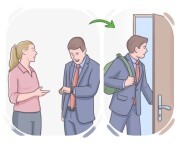
used to indicate an obligation or to emphasize the necessity of something happening
dovere
Lui deve prendere i suoi figli da scuola alle 15.
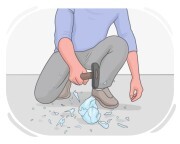
to become damaged and separated into pieces because of a blow, shock, etc.
rompere,spezzare
Lo specchio si è rotto quando è caduto dal muro.
| Elenco di Parole Livello A2 | |||
|---|---|---|---|
| Avverbi essenziali | Aggettivi opposti essenziali | Emozioni | Verbi modali e altri verbi |
| Matematica | Scienza e mondo naturale | Verbi necessari | Verbi comuni |
| Verbi essenziali | Pronomi e determinanti | ||
