
Phrasal Verbs Usando 'Out' - Causar o Expresar un Sentimiento
Aprende los verbos compuestos con out que se usan para causar, expresar, liberar o describir emociones, reacciones, frustración, emoción y otros sentimientos.
Revisión
Tarjetas de memoria
formas
Ortografía
Cuestionario


to feel really happy and relaxed without any particular reason

sentirse completamente feliz y relajado, estar feliz y relajado sin motivo particular
Mientras el sol se ponía sobre las montañas, no podían evitar sentirse en éxtasis por la belleza del paisaje.

to express oneself in a powerful and loud voice
decir con voz fuerte y potente, anunciar con voz atronadora
Su voz retumbó por todo el auditorio durante el discurso.
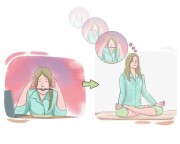
to relax and take a break especially when feeling stressed or upset
relajarse, calmarse y descansar
A veces, un baño caliente es la mejor manera de relajarse.

to overwhelm someone with an excessive amount of tasks or assignments, often beyond their capacity to manage effectively
abrumar a alguien con tareas, dar a alguien más trabajo del que puede manejar
Durante la temporada alta, el restaurante puede inundar a su personal de cocina con un alto volumen de pedidos, causando retrasos.

to have sympathy for someone and hope that they will get through the difficult situation they are in
solidarizarse con alguien, desear que alguien supere una situación difícil
Sus simpatías se dirigen a su vecino que perdió una mascota querida.

to be in a romantic relationship
salir juntos, mantener una relación sentimental
Lisa y Alex han estado saliendo juntos desde que se conocieron en la universidad, y su amor sigue creciendo.

to kiss and touch someone in a sexual manner
besarse y acariciarse apasionadamente, darse el lote
Los dos amigos comenzaron a besarse en la fiesta y terminaron saliendo juntos.

to freely express one's deep emotions, thoughts, or feelings
desahogarse, expresar libremente sentimientos profundos
Durante la sesión de terapia, se sintió seguro para desahogar sus ansiedades y miedos.

to express an emotion, typically through honest speech
expresar abiertamente las emociones, soltar todo lo que uno siente
Ellos derramaron su alegría a sus seres queridos, celebrando su reciente éxito con exuberancia.

to make someone exhausted through physical or mental activity
agotar, dejar exhausto física o mentalmente
La larga reunión comenzó a agotar a los participantes.
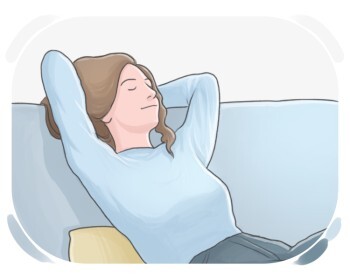
to relax without doing much activity
holgazanear, tirarse a descansar sin hacer nada
En lugar de salir, optaron por relajarse en casa y pedir comida para llevar.

to cause someone to feel uncomfortable or surprised by something unusual
incomodar por resultar extraño, desconcertar a alguien con algo extraño
Los ruidos misteriosos en la casa vieja asustaron a todos.
