pattern

Vocabulario de Científicos Clave - Arquímedes

Revisión

Tarjetas de memoria

formas

Ortografía

Cuestionario

Empezar a aprender
Key Scientists Vocabulary
famous
famous
[Adjetivo]

known by a lot of people

famoso, célebre

famoso, célebre

Ex: Tourists flock to the city to visit famous landmarks such as the Eiffel Tower. 

Los turistas acuden en masa a la ciudad para visitar monumentos famosos como la Torre Eiffel.

scientist
scientist
[Sustantivo]

someone whose job or education is about science

científico

científico

Ex: He won an award for his contributions as a young scientist. 
Greece
Greece
[Sustantivo]

a country in southeastern Europe on the southern part of the Balkan Peninsula

Grecia
Grecia

Ex: Greece shares a northern border with several Balkan countries. 
mathematics
mathematics
[Sustantivo]

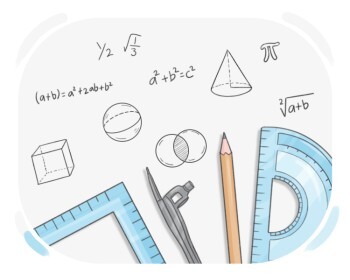
the study of numbers and shapes that involves calculation and description

matemáticas

matemáticas

Ex: She scored well on her math test and received praise from her teacher. 

Ella obtuvo una buena puntuación en su examen de matemáticas y recibió elogios de su profesor.

engineering
engineering
[Sustantivo]

a field of study that deals with the building, designing, developing, etc. of structures, bridges, or machines

ingeniería

ingeniería

Ex: He graduated with a degree in mechanical engineering. 
astronomy
astronomy
[Sustantivo]

a branch of science that studies space, planets, etc.

astronomía

astronomía

Ex: Historical records show how ancient civilizations used astronomy to develop calendars and navigate across oceans. 

Los registros históricos muestran cómo las civilizaciones antiguas usaban la astronomía para desarrollar calendarios y navegar a través de los océanos.

to remember

to keep something in one's mind, particularly an important fact

recordar, tener presente

recordar, tener presente

Ex: You need to remember that she is an introvert and may need some alone time. 
to discover

to be the first person who finds something or someplace that others did not know about

descubrir
descubrir

Ex: The scientist discovered a new species of plant in the remote rainforest. 
to spend
to spend
[Verbo]

to pass time in a particular manner or in a certain place

pasar, dedicar

pasar, dedicar

Ex: His retirement years were spent traveling the world. 
Egypt
Egypt
[Sustantivo]

a country on the continent of Africa with a rich history, famous for its pyramids, temples, and pharaohs

Egipto
Egipto

Ex: I bought a beautiful handmade rug from Egypt. 
volume
volume
[Sustantivo]

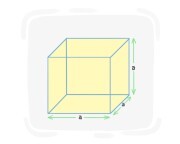
the amount of space that a substance or object takes or the amount of space inside an object

volumen
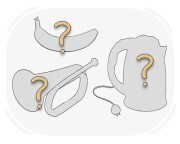
volumen

Ex: Engineers calculated the volume of the water tank to ensure it could hold enough water for the community. 
object
object
[Sustantivo]

a non-living thing that one can touch or see

objeto

objeto

Ex: The telescope allowed astronomers to observe distant objects in the night sky. 
king
king
[Sustantivo]

the male ruler of a territorial unit that has a royal family

rey
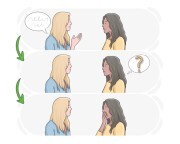
rey

Ex: The king's coronation ceremony was attended by nobles from across the realm. 
to find out

to discover or become aware of a piece of information or a fact

descubrir, enterarse

descubrir, enterarse

Ex: She was shocked to find out that her favorite restaurant had closed down. 

Ella se sorprendió al descubrir que su restaurante favorito había cerrado.

crown
crown
[Sustantivo]

a round object often decorated with gems that kings or queens put on their heads as a symbol of power and authority

corona

corona

Ex: The ceremonial crown was used in various state functions to emphasize the importance of the event. 
gold
gold
[Sustantivo]

a valuable yellow-colored metal that is used for making jewelry

oro

oro

Ex: The ancient Egyptians used gold to create intricate jewelry and artifacts. 
to tell
to tell
[Verbo]

to realize or determine with confidence

saber

saber

Ex: I'm not sure if she's joking or being serious.  It's hard to tell. 
to push out

push to thrust outward

empujar hacia afuera, expulsar

empujar hacia afuera, expulsar

to invent
to invent
[Verbo]

to create or design something new that did not previously exist

inventar
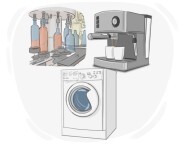
inventar

Ex: Engineers invented a new material that can withstand extreme heat. 
machine
machine
[Sustantivo]

any piece of equipment that is mechanical, electric, etc. and performs a particular task

máquina

máquina

Ex: The MRI machine is used for medical imaging in hospitals. 
device
device
[Sustantivo]

a machine or tool that is designed for a particular purpose

aparato, dispositivo
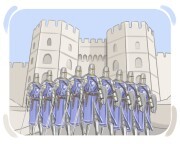
aparato, dispositivo

Ex: The remote control is a convenient device to operate the TV from a distance. 
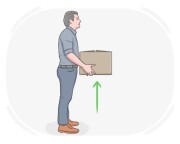
to defend
to defend
[Verbo]

to not let any harm come to someone or something

defender
defender

Ex: Parents instinctively defend their children from potential threats. 
to lift
to lift
[Verbo]

to move a thing from a lower position or level to a higher one

levantar

levantar

Ex: The forklift operator is lifting pallets of goods in the warehouse. 
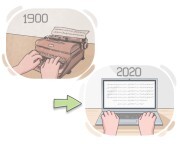
invention
invention
[Sustantivo]

something new, especially a device, method, or process, that has been created or developed

invención
invención

Ex: The new invention helps farmers use less water. 
advanced
advanced
[Adjetivo]

newly developed and incorporating new, modern methods or technology

avanzado

avanzado

Ex: Scientists developed advanced methods for tracking climate change indicators. 

Los científicos desarrollaron métodos avanzados para rastrear los indicadores del cambio climático.

discovery
discovery
[Sustantivo]

something that is discovered

descubrimiento

descubrimiento

Ex: The fossil was one of the most important discoveries of the decade. 
idea
idea
[Sustantivo]

a suggestion or thought about something that we could do

idea

idea

Ex: Let's brainstorm and come up with creative ideas for the marketing campaign. 
sadly
sadly
[Adverbio]

used to introduce an unfortunate or regrettable fact

tristemente

tristemente

Ex: Sadly, the project didn't meet the deadline, causing some disappointment among the team. 

Lamentablemente, el proyecto no cumplió con el plazo, lo que causó cierta decepción en el equipo.
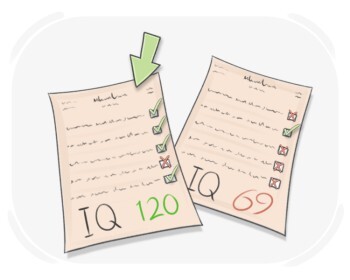
smart
smart
[Adjetivo]

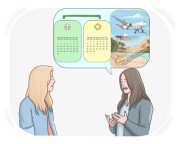
intelligent and able to understand, learn, or solve problems quickly

inteligente, quick to learn and understand
inteligente, quick to learn and understand

Ex: That was a smart decision because it saved both time and money. 
during
during
[Preposición]

used to express that something happens continuously from the beginning to the end of a period of time

durante

durante

Ex: The students were attentive during the entire class. 

Los estudiantes estuvieron atentos durante toda la clase.

to draw
to draw
[Verbo]

to create a line or mark, often with a writing instrument, on a surface

dibujar, trazar
dibujar, trazar

Ex: In calligraphy, practitioners aim to draw elegant and flowing lines with precision. 
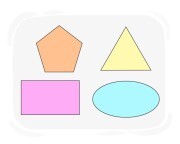
shape
shape
[Sustantivo]

the outer form or edges of something or someone

forma
forma

Ex: Scientists studied the unusual shape of the rock formation to understand its geological history. 
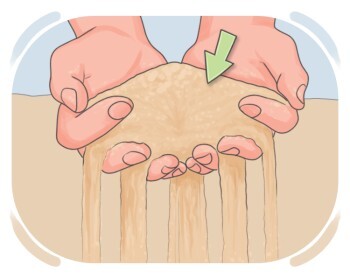
sand
sand
[Sustantivo]

a pale brown substance that consists of very small pieces of rock, which is found in deserts, on beaches, etc.

arena
arena

Ex: After the hike, they found their shoes filled with sand. 
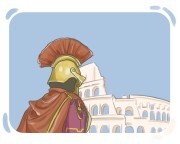
Roman
Roman
[Adjetivo]

related to ancient Rome, its citizens, or empire

romano
romano

Ex: Roman culture influenced many aspects of Western civilization, including law and governance. 
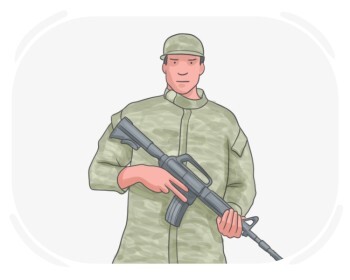
soldier
soldier
[Sustantivo]

someone who serves in an army, particularly a person who is not an officer

soldado
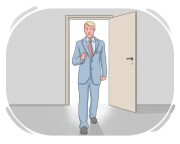
soldado

Ex: In ancient times, a soldier often carried a shield and sword. 
to enter
to enter
[Verbo]

to come or go into a place

entrar

entrar

Ex: He entered the building and immediately noticed the elegant architecture. 
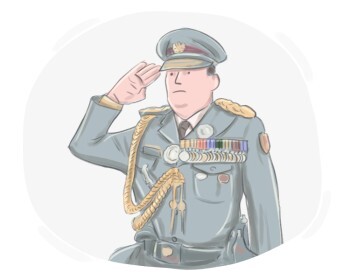
general
general
[Sustantivo]

a high-ranking officer in the army, air force, or marines

oficial de alto rango

oficial de alto rango

Ex: The general's decisions during the conflict were pivotal, showcasing his tactical brilliance and leadership under pressure. 
need
need
[Verbo]

to be required or obliged to do a certain thing

necesitar
necesitar

Ex: I needn't remind you to be on time for the meeting. 
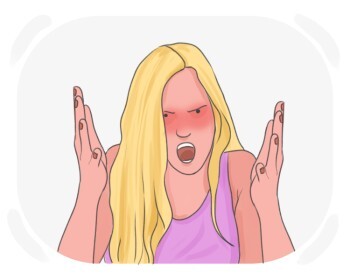
angry
angry
[Adjetivo]

feeling very annoyed because of something that we do not like

enojado, enfadado

enojado, enfadado

Ex: She was angry after being blamed for something she didn't do. 
to kill
to kill
[Verbo]

to end the life of someone or something

matar
matar

Ex: The murderer used a weapon to kill his victim. 
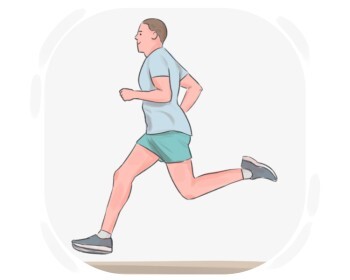
to run
to run
[Verbo]

to move using our legs, faster than we usually walk, in a way that both feet are never on the ground at the same time

correr
correr

Ex: Excited to see us, she came running across the park. 
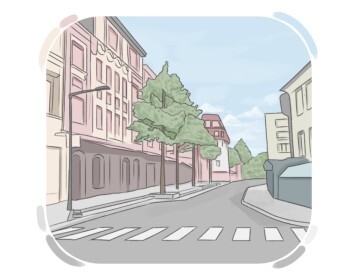
street
street
[Sustantivo]

a public path for vehicles in a village, town, or city, usually with buildings, houses, etc. on its sides

calle
calle

Ex: The street was filled with colorful houses and blooming flowers. 
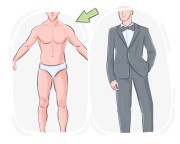
naked
naked
[Adjetivo]

not having clothing or covering

desnudo, en cueros

desnudo, en cueros

Ex: Feeling the warm sun on his naked skin, he enjoyed the freedom of skinny dipping in the lake. 

Sintiendo el cálido sol en su piel desnuda, disfrutó de la libertad de nadar desnudo en el lago.

to shout
to shout
[Verbo]

to speak loudly, often associated with expressing anger or when you cannot hear what the other person is saying

gritar

gritar

Ex: In the bustling marketplace, vendors would often shout to attract customers' attention to their products. 
to [take] a bath

to wash the body in a tub filled with water

Ex: In many cultures, taking a bath is part of the daily hygiene routine 
LanGeek
Descargar la aplicación LanGeek