
pattern

Słownictwo Kluczowych Naukowców - Archimedes

Przegląd

Fiszki

formy

Pisownia

Test

Zacznij naukę
Key Scientists Vocabulary
famous
famous
[przymiotnik]

known by a lot of people

sławny, znany

sławny, znany

Ex: The famous actor won numerous awards for his performances in blockbuster movies. 

Słynny aktor zdobył wiele nagród za swoje role w filmach blockbuster.
scientist
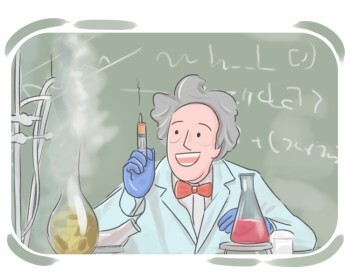
scientist
[Rzeczownik]

someone whose job or education is about science

naukowiec, badacz

naukowiec, badacz

Ex: As a scientist, he spends a lot of time in the lab. 
Greece
Greece
[Rzeczownik]

a country in southeastern Europe on the southern part of the Balkan Peninsula
Ex: Daniel spent two weeks exploring historic sites in Greece. 
mathematics
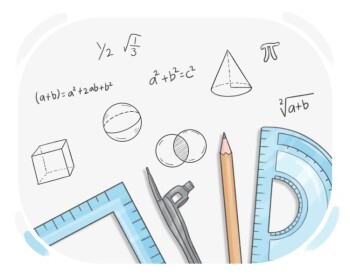
mathematics
[Rzeczownik]

the study of numbers and shapes that involves calculation and description

matematyka, matma

matematyka, matma

Ex: They use a calculator to help with complex math calculations. 

Używają kalkulatora, aby pomóc w skomplikowanych obliczeniach matematycznych.

engineering
engineering
[Rzeczownik]

a field of study that deals with the building, designing, developing, etc. of structures, bridges, or machines

inżynieria

inżynieria

Ex: She chose engineering as her major because she loves solving problems. 
astronomy
astronomy
[Rzeczownik]

a branch of science that studies space, planets, etc.

astronomia, nauka o gwiazdach

astronomia, nauka o gwiazdach

Ex: The recent discovery of a black hole in a distant galaxy has provided new insights into the field of astronomy. 

Odkrycie czarnej dziury w odległej galaktyce dostarczyło nowych informacji w dziedzinie astronomii.

to remember
to remember
[Czasownik]

to keep something in one's mind, particularly an important fact

pamiętać, zapamiętać
pamiętać, zapamiętać

Ex: Remember, we agreed to meet at 5 p.m. sharp. 
to discover
to discover
[Czasownik]

to be the first person who finds something or someplace that others did not know about

odkrywać, badać
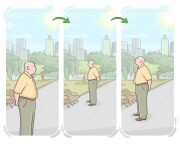
odkrywać, badać

Ex: By the time we got there, they had already discovered the ancient ruins. 
to spend
to spend
[Czasownik]

to pass time in a particular manner or in a certain place

spędzać, przebywać

spędzać, przebywać

Ex: He has spent months training for the marathon. 
Egypt
Egypt
[Rzeczownik]

a country on the continent of Africa with a rich history, famous for its pyramids, temples, and pharaohs

Egipt
Egipt

Ex: She's studying the history of Egypt at university. 
volume
volume
[Rzeczownik]

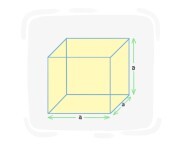
the amount of space that a substance or object takes or the amount of space inside an object

objętość, pojemność
objętość, pojemność

Ex: The volume of water in the glass was 250 milliliters. 
object
object
[Rzeczownik]

a non-living thing that one can touch or see

obiekt, przedmiot

obiekt, przedmiot

Ex: The sculpture in the museum is an ancient object made of marble. 
king
king
[Rzeczownik]

the male ruler of a territorial unit that has a royal family

król, monarcha
król, monarcha

Ex: The king ruled over the kingdom with wisdom and compassion. 
to find out
to find out
[Czasownik]

to discover or become aware of a piece of information or a fact

dowiedzieć się, odkryć

dowiedzieć się, odkryć

Ex: She was shocked to find out that her favorite restaurant had closed down. 

Była zszokowana, dowiadując się, że jej ulubiona restauracja została zamknięta.
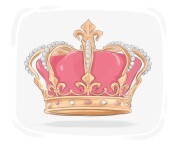
crown
crown
[Rzeczownik]

a round object often decorated with gems that kings or queens put on their heads as a symbol of power and authority

korona, diadem

korona, diadem

Ex: The museum displayed a historic crown that once belonged to a famous king, showcasing its detailed craftsmanship. 
gold
gold
[Rzeczownik]

a valuable yellow-colored metal that is used for making jewelry

złoto

złoto

Ex: She wore a necklace adorned with a pendant made of gold. 
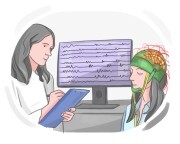
to tell
to tell
[Czasownik]

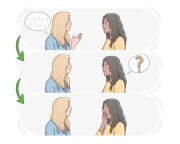
to realize or determine with confidence

określić, rozpoznać
określić, rozpoznać

Ex: You can tell he's angry from the way he's clenching his fists. 
to push out
to push out
[Czasownik]

push to thrust outward

wypychać, wypchnąć

wypychać, wypchnąć

to invent
to invent
[Czasownik]

to create or design something new that did not previously exist
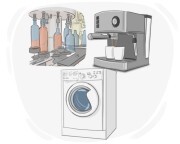
Ex: The machine was invented to make agricultural work faster and safer. 
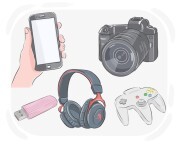
machine
machine
[Rzeczownik]

any piece of equipment that is mechanical, electric, etc. and performs a particular task

maszyna, urządzenie
maszyna, urządzenie

Ex: The factory installed new machines to increase production efficiency. 
device
device
[Rzeczownik]

a machine or tool that is designed for a particular purpose

urządzenie, przyrząd
urządzenie, przyrząd

Ex: The flashlight is a simple yet helpful device during power outages. 
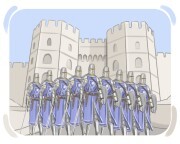
to defend
to defend
[Czasownik]

to not let any harm come to someone or something

bronić, chronić
bronić, chronić

Ex: The brave soldier defended the country during the battle. 
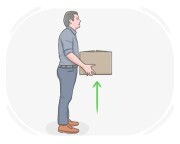
to lift
to lift
[Czasownik]

to move a thing from a lower position or level to a higher one

podnosić, unosić

podnosić, unosić

Ex: Every morning, she lifts weights at the gym for strength training. 
invention
invention
[Rzeczownik]

something new, especially a device, method, or process, that has been created or developed
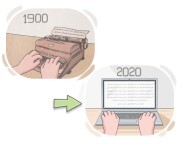
Ex: Thomas patented an invention for improving bicycle safety. 
advanced
advanced
[przymiotnik]

newly developed and incorporating new, modern methods or technology

zaawansowany, innowacyjny

zaawansowany, innowacyjny

Ex: Scientists developed advanced methods for tracking climate change indicators. 

Naukowcy opracowali zaawansowane metody śledzenia wskaźników zmian klimatycznych.

discovery
discovery
[Rzeczownik]

something that is discovered

odkrycie

odkrycie

Ex: She showed us a rare manuscript that had been a recent discovery. 
idea
idea
[Rzeczownik]

a suggestion or thought about something that we could do

pomysł, propozycja

pomysł, propozycja

Ex: Sarah proposed a brilliant idea for the upcoming fundraiser 
sadly
sadly
[przysłówek]

used to introduce an unfortunate or regrettable fact

niestety, smutno

niestety, smutno

Ex: I wanted to join the team, but sadly, I didn't make the cut. 

Chciałem dołączyć do zespołu, ale niestety, nie zostałem wybrany.
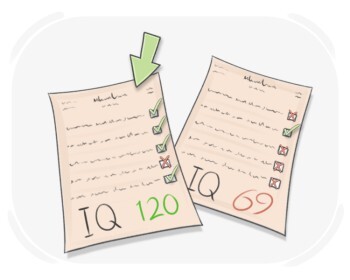
smart
smart
[przymiotnik]

intelligent and able to understand, learn, or solve problems quickly
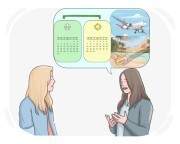
Ex: She's very smart when it comes to managing her finances. 
during
during
[Przyimek]

used to express that something happens continuously from the beginning to the end of a period of time

podczas, w trakcie

podczas, w trakcie

Ex: The temperature dropped significantly during the night. 

Temperatura znacznie spadła w trakcie nocy.

to draw
to draw
[Czasownik]

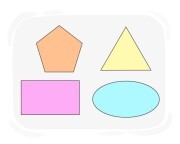
to create a line or mark, often with a writing instrument, on a surface

rysować, kreślić
rysować, kreślić

Ex: With a chalk in hand, she drew a bold line to emphasize the key points on the blackboard. 
shape
shape
[Rzeczownik]

the outer form or edges of something or someone

kształt, kontur
kształt, kontur

Ex: The children enjoyed cutting out different shapes from colored paper during the art class. 
sand
sand
[Rzeczownik]

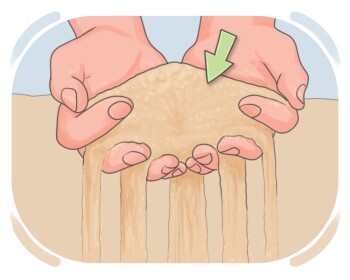
a pale brown substance that consists of very small pieces of rock, which is found in deserts, on beaches, etc.

piasek, drobny piasek
piasek, drobny piasek

Ex: The children built castles with the soft sand on the beach. 
Roman
Roman
[przymiotnik]

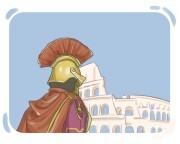
related to ancient Rome, its citizens, or empire

rzymski
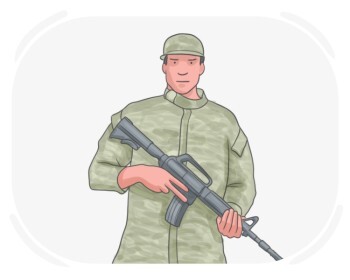
rzymski

Ex: The Roman architecture of the Colosseum is admired for its grandeur and engineering. 
soldier
soldier
[Rzeczownik]

someone who serves in an army, particularly a person who is not an officer

żołnierz, wojskowy
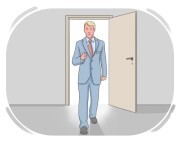
żołnierz, wojskowy

Ex: The soldier polished his boots until they shone. 
to enter
to enter
[Czasownik]

to come or go into a place

wchodzić

wchodzić

Ex: She enters the room with a smile on her face. 
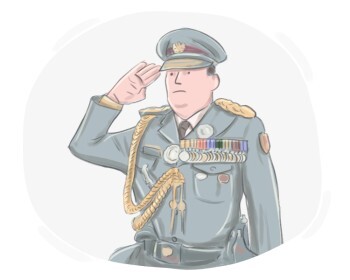
general
general
[Rzeczownik]

a high-ranking officer in the army, air force, or marines

generał

generał

Ex: The general addressed the troops, outlining the strategy for the upcoming campaign with confidence and clarity. 
need
need
[Czasownik]

to be required or obliged to do a certain thing

potrzebować, musieć
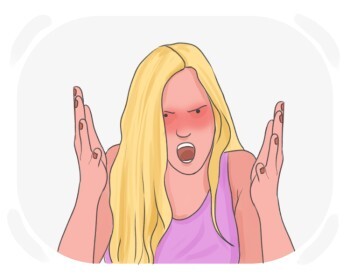
potrzebować, musieć

Ex: He needn't worry about the deadline, there's still time. 
angry
angry
[przymiotnik]

feeling very annoyed because of something that we do not like

zły,wściekły, feeling very bad because of something
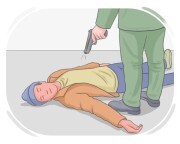
zły,wściekły, feeling very bad because of something

Ex: I get angry when people lie to me. 
to kill
to kill
[Czasownik]

to end the life of someone or something

zabijać, zabić
zabijać, zabić

Ex: The hunter aimed carefully to kill the deer for food. 
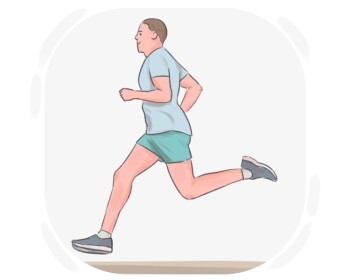
to run
to run
[Czasownik]

to move using our legs, faster than we usually walk, in a way that both feet are never on the ground at the same time

biegać
biegać

Ex: When he heard the news, he ran home in a hurry. 
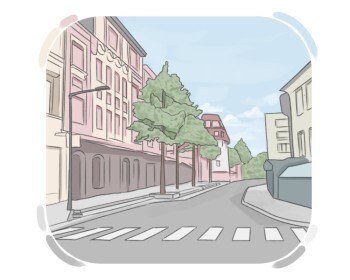
street
street
[Rzeczownik]

a public path for vehicles in a village, town, or city, usually with buildings, houses, etc. on its sides

ulica, aleja
ulica, aleja

Ex: He parked his car on the street and walked to the nearby café. 
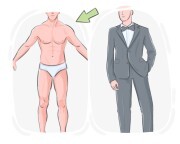
naked
naked
[przymiotnik]

not having clothing or covering

nagi, obnażony

nagi, obnażony

Ex: The actor had to film a scene where he appeared naked, which made him feel vulnerable and exposed. 

Aktor musiał nakręcić scenę, w której pojawił się nago, co sprawiło, że poczuł się wrażliwy i odsłonięty.

to shout
to shout
[Czasownik]

to speak loudly, often associated with expressing anger or when you cannot hear what the other person is saying

krzyczeć, wrzeszczeć
krzyczeć, wrzeszczeć

Ex: When caught in a sudden rainstorm, they had to shout to communicate over the sound of the pouring rain. 
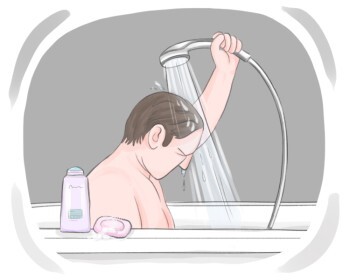
to [take] a bath

to wash the body in a tub filled with water

Ex: In many cultures, taking a bath is part of the daily hygiene routine 
LanGeek
Pobierz aplikację LanGeek