pattern

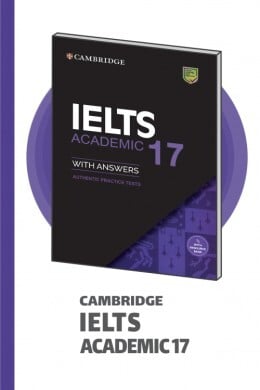
Cambridge IELTS 17 - Académico - Prueba 1 - Escucha - Parte 2

Aquí puedes encontrar el vocabulario del Test 1 - Audición - Parte 2 del libro de curso Cambridge IELTS 17 - Academic, para ayudarte a preparar tu examen IELTS.

Revisión

Tarjetas de memoria

formas

Ortografía

Cuestionario
Empezar a aprender
Cambridge IELTS 17 - Academic
fantastic
fantastic
[Adjetivo]

extremely amazing and great

fantástico

fantástico

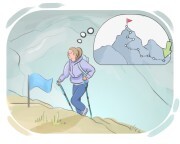
Ex: The view from the top of the mountain was fantastic. 

La vista desde la cima de la montaña era fantástica.

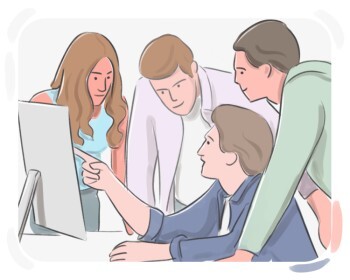
journey
journey
[Sustantivo]

the act of travelling between two or more places, especially when there is a long distance between them

viaje
viaje

Ex: She documented her solo journey through Europe in a travel journal, capturing memories and experiences along the way. 

Ella documentó su viaje en solitario por Europa en un diario de viaje, capturando recuerdos y experiencias en el camino.

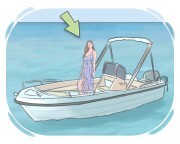
staff
staff
[Sustantivo]

a group of people who work for a particular company or organization

personal
personal

Ex: Our company is hosting a party for the staff next week. 

Nuestra empresa está organizando una fiesta para el personal la próxima semana.

on board
on board
[Adverbio]

on a means of transportation such as an aircraft, train, or ship

a bordo

a bordo

Ex: Once on board, he found his assigned seat near the window. 

Una vez a bordo, encontró su asiento asignado junto a la ventana.

on top of
on top of
[Preposición]

denoting the inclusion of something extra alongside existing tasks, responsibilities, or obligations

además de, encima de

además de, encima de

Ex: On top of studying for exams, he also had to prepare for a presentation. 

Además de estudiar para los exámenes, también tuvo que preparar una presentación.
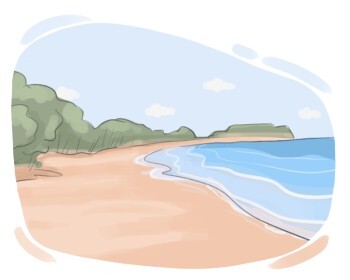
coastline
coastline
[Sustantivo]

the boundary between land and water, particularly as seen on a map or from above

costa

costa

Ex: He took a scenic drive along the coastline. 

Dio un paseo pintoresco por la costa.

to end up
to end up
[Verbo]

to eventually reach or find oneself in a particular place, situation, or condition, often unexpectedly or as a result of circumstances

terminar

terminar

Ex: After several detours, we ended up at the beautiful hidden beach we had heard about. 

Después de varios desvíos, terminamos en la hermosa playa escondida de la que habíamos oído hablar.
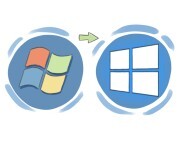
to upgrade
to upgrade
[Verbo]

to improve a machine, computer system, etc. in terms of efficiency, standards, etc.

actualizar

actualizar

Ex: The city is upgrading its public transportation infrastructure. 

La ciudad está actualizando su infraestructura de transporte público.

jet black
jet black
[Sustantivo]

a very dark black

negro azabache, negro como el tizón

negro azabache, negro como el tizón

exterior
exterior
[Sustantivo]

the outer surface or outermost layer of an object, building, etc.

exterior

exterior

Ex: She wiped down the box’s exterior before opening it. 

Ella limpió el exterior de la caja antes de abrirla.

to stand out

to be prominent and easily noticeable

destacarse, sobresalir

destacarse, sobresalir

Ex: The unique architecture of the building made it stand out in the city skyline. 

La arquitectura única del edificio hizo que destacara en el horizonte de la ciudad.
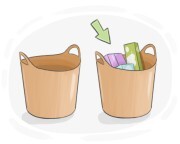
to contain
to contain
[Verbo]

to have or hold something within or include something as a part of a larger entity or space

contener
contener

Ex: The cupboard contains dishes, cups, and other kitchenware. 

El armario contiene platos, tazas y otros utensilios de cocina.

ham
ham
[Sustantivo]

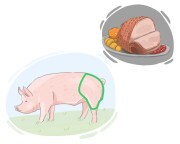
a type of meat cut from a pig's thigh, usually smoked or salted

jamón

jamón

Ex: She prepared a glazed ham for the holiday feast, baking it with a sweet and savory glaze until golden brown. 

Ella preparó un jamón glaseado para el banquete navideño, horneándolo con un glaseado dulce y salado hasta que quedó dorado.

cheese roll
cheese roll
[Sustantivo]

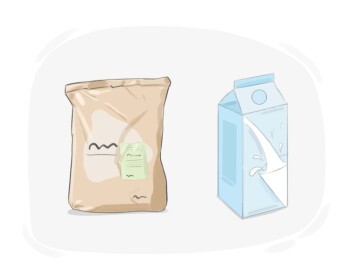
a type of snack or appetizer made by spreading or rolling cheese, often with other ingredients

rollo de queso, arrollado de queso
rollo de queso, arrollado de queso

packet
packet
[Sustantivo]

a small bag typically made of paper, plastic, etc., that can contain various things, such as tea, sugar, or spices

sobre, paquete

sobre, paquete

Ex: The tea came in small, sealed packets. 

El té venía en pequeños paquetes sellados.

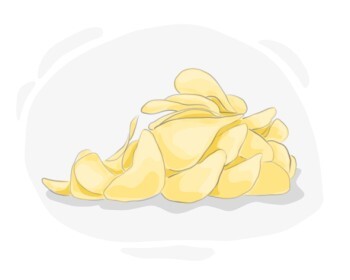
crisp
crisp
[Sustantivo]

a thin, round piece of potato, cooked in hot oil and eaten cold as a snack

patata frita, chip
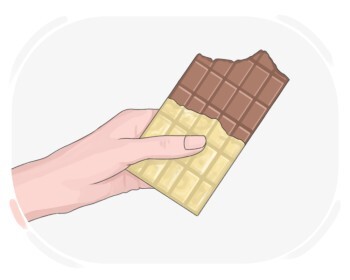
patata frita, chip

Ex: He enjoyed the satisfying crunch of the homemade crisps. 

Disfrutó del crujido satisfactorio de las patatas fritas caseras.

chocolate bar
chocolate bar
[Sustantivo]

a flat, rectangular-shaped food made from chocolate that is usually divided into smaller pieces for easy consumption

barra de chocolate, tableta de chocolate

barra de chocolate, tableta de chocolate

Ex: The store sells chocolate bars in a variety of flavors. 

La tienda vende tabletas de chocolate en una variedad de sabores.

litter
litter
[Sustantivo]

waste such as bottles, papers, etc. that people throw on a sidewalk, park, or other public place

basura, residuos
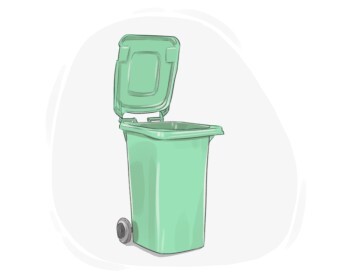
basura, residuos

Ex: Litter left by careless visitors is harmful to wildlife. 

La basura dejada por visitantes descuidados es perjudicial para la vida silvestre.

bin
bin
[Sustantivo]

a container, usually with a lid, for putting waste in

papelera, cubo

papelera, cubo

Ex: Please put your litter in the bin provided. 

Por favor, ponga su basura en el cubo proporcionado.
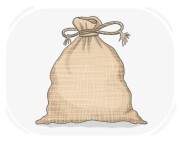
sack
sack
[Sustantivo]

a container made of paper or plastic material used for holding and carrying a customer's purchased items

bolsa, saco

bolsa, saco

Ex: The sack was heavy with all the items she had bought. 

El saco estaba pesado con todos los artículos que había comprado.

to head off

to begin a journey or depart from a place

partir, ponerse en camino

partir, ponerse en camino

Ex: He had to head off for the airport to catch his flight. 

Tuvo que partir hacia el aeropuerto para tomar su vuelo.

lighthouse
lighthouse
[Sustantivo]

a large structure, such as a tower, placed near the coast and equipped with a powerful light that guides or warns the approaching ships

faro

faro

Ex: As dusk fell, the lighthouse began to glow, casting its light across the darkening ocean. 

Cuando cayó el anochecer, el faro comenzó a brillar, proyectando su luz sobre el océano que se oscurecía.
shipwreck
shipwreck
[Sustantivo]

an accident that destroys a ship at sea

naufragio, hundimiento

naufragio, hundimiento

significant
significant
[Adjetivo]

important or great enough to be noticed or have an impact

significativo, importante, considerable

significativo, importante, considerable

Ex: The new policy had a significant impact on improving workplace productivity. 

La nueva política tuvo un impacto significativo en la mejora de la productividad en el lugar de trabajo.

loss
loss
[Sustantivo]

the death of an individual

pérdida, fallecimiento
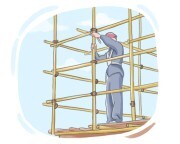
pérdida, fallecimiento

Ex: His sudden loss shocked everyone who knew him. 

Su pérdida repentina conmocionó a todos los que lo conocían.

construction
construction
[Sustantivo]

the process of building or creating something, such as structures, machines, or infrastructure

construcción

construcción

Ex: Safety regulations are critical during construction projects. 

Las regulaciones de seguridad son críticas durante los proyectos de construcción.

original
original
[Adjetivo]

existing at the start of a specific period or process

primario

primario

Ex: The original inhabitants of the island lived in harmony with nature. 

Los habitantes originales de la isla vivían en armonía con la naturaleza.

council
council
[Sustantivo]

a group of elected people who govern a city, town, etc.

concejo municipal

concejo municipal

Ex: The council members debated the housing plan. 

Los miembros del consejo debatieron el plan de vivienda.

to sit
to sit
[Verbo]

to be or remain in a specific state or position

permanecer, quedarse

permanecer, quedarse

Ex: The unopened letter sat on the kitchen counter. 

La carta sin abrir permanecía en el mostrador de la cocina.

to lie
to lie
[Verbo]

to occupy a particular place

encontrarse, yacer
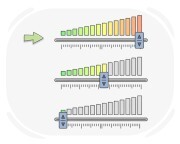
encontrarse, yacer

Ex: The garden lies at the back of the house, surrounded by tall trees. 

El jardín se encuentra en la parte trasera de la casa, rodeado de árboles altos.

maximum
maximum
[Sustantivo]

the highest amount, degree, or extent there is or is possible, allowed or needed

máximo
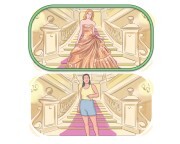
máximo

Ex: The conference room can accommodate a maximum of 50 attendees. 

La sala de conferencias puede albergar un máximo de 50 asistentes.

suitable
suitable
[Adjetivo]

appropriate for a certain situation or purpose

adecuado

adecuado

Ex: They needed to find a suitable venue for the conference. 

Necesitaban encontrar un lugar adecuado para la conferencia.
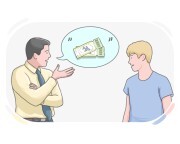
to mention
to mention
[Verbo]

to say something about someone or something, without giving much detail

mencionar

mencionar

Ex: Can you mention where you found that interesting article? 

¿Puedes mencionar dónde encontraste ese artículo interesante?

to staff
to staff
[Verbo]

to work as part of the team responsible for running or supporting an organization, event, or operation

trabajar como parte del personal, formar parte del equipo
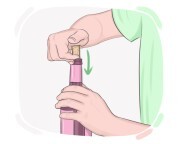
trabajar como parte del personal, formar parte del equipo

Ex: A group of doctors staffed the emergency clinic after the disaster. 

Un grupo de médicos prestó servicio en la clínica de emergencias después del desastre.

to block
to block
[Verbo]

to stop the flow or movement of something through somewhere

bloquear
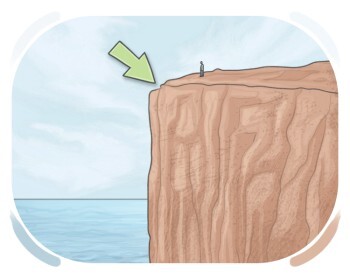
bloquear

Ex: The drain was blocked by debris, causing water to overflow onto the street. 

El desagüe estaba bloqueado por escombros, lo que hizo que el agua se desbordara a la calle.

cliff
cliff
[Sustantivo]

an area of rock that is high above the ground with a very steep side, often at the edge of the sea

acantilado, precipicio

acantilado, precipicio

Ex: Waves crashed against the base of the cliff, sending up sprays of mist. 

Las olas chocaban contra la base del acantilado, lanzando rocíos de espuma.

to chop
to chop
[Verbo]

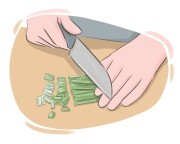
to cut something into pieces using a knife, etc.

cortar, picar

cortar, picar

Ex: The butcher is chopping meat to fulfill customer orders. 

El carnicero está picando carne para cumplir con los pedidos de los clientes.

firewood
firewood
[Sustantivo]

wood that is cut and used as fuel for a fire

leña, madera para quemar

leña, madera para quemar

Ex: Chopping firewood is a common task in rural areas. 

Cortar leña es una tarea común en las zonas rurales.

keeper
keeper
[Sustantivo]

one having charge of buildings or grounds or animals

guardián, cuidador

guardián, cuidador

convict
convict
[Sustantivo]

a person found guilty of a crime and sent to prison

convicto

convicto

Ex: After serving his sentence, the convict was released and began rebuilding his life. 

Después de cumplir su condena, el condenado fue liberado y comenzó a reconstruir su vida.

willing
willing
[Adjetivo]

interested or ready to do something

dispuesto

dispuesto

Ex: The volunteers were willing to donate their time to help those in need. 

Los voluntarios estaban dispuestos a donar su tiempo para ayudar a los necesitados.

circumstance
circumstance
[Sustantivo]

the conditions or factors that surround and influence a particular situation

circunstancia, contexto
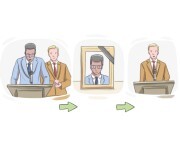
circunstancia, contexto

Ex: The circumstances of his upbringing shaped his perspective on life. 

Las circunstancias de su crianza moldearon su perspectiva de la vida.

to take over

to begin to be in charge of something, often previously managed by someone else

tomar el poder

tomar el poder

Ex: The elected official is taking over the office duties this week. 

El funcionario electo se hace cargo de las funciones de la oficina esta semana.
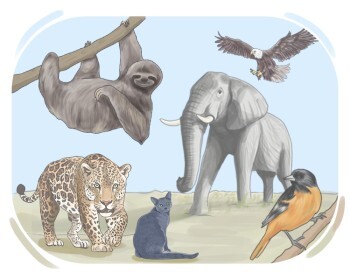
creature
creature
[Sustantivo]

any living thing that is able to move on its own, such as an animal, fish, etc.

criatura
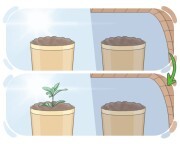
criatura

Ex: Conservationists work tirelessly to protect endangered creatures like the black rhinoceros and the Bengal tiger from extinction. 

Los conservacionistas trabajan incansablemente para proteger a las criaturas en peligro de extinción como el rinoceronte negro y el tigre de Bengala.

to tend
to tend
[Verbo]

to be likely to develop or occur in a certain way because that is the usual pattern

tender a

tender a

Ex: Historical patterns suggest that economic downturns tend to lead to increased unemployment. 

Los patrones históricos sugieren que las recesiones económicas tienden a provocar un aumento del desempleo.

passing
passing
[Adjetivo]

moving past someone or something

pasajero, de paso

pasajero, de paso

Ex: The passing clouds momentarily blocked the sun, providing a brief reprieve from the heat. 

Las nubes pasajeras bloquearon momentáneamente el sol, proporcionando un breve respiro del calor.

edge
edge
[Sustantivo]

the outer part of an area or object that is furthest from the center

borde
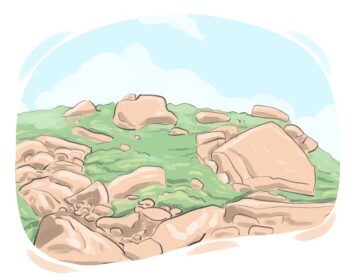
borde

Ex: The cat balanced precariously on the edge of the windowsill. 

El gato se balanceaba precariamente en el borde del alféizar.

to nest
to nest
[Verbo]

to build a nest or live in it

anidar

anidar

Ex: The swallows returned in the spring to nest in the eaves of the barn. 

Las golondrinas regresaron en primavera para anidar en los aleros del granero.

rocky
rocky
[Adjetivo]

having a surface that is covered with large, uneven, or rough rocks, stones, or boulders

rocoso, pedregoso

rocoso, pedregoso

Ex: The riverbed was rocky, with water cascading over the smooth stones. 

El lecho del río era rocoso, con agua cayendo en cascada sobre las piedras lisas.

to inhabit
to inhabit
[Verbo]

to reside in a specific place

habitar, residir

habitar, residir

Ex: The indigenous people have inhabited this land for centuries. 

Los pueblos indígenas habitan esta tierra desde hace siglos.

fur seal
fur seal
[Sustantivo]

a type of pinniped that belongs to the family Otariidae, known for their dense fur coats, streamlined bodies, and ability to both swim and move on land using their flippers

lobo marino de piel, foca peletera
lobo marino de piel, foca peletera

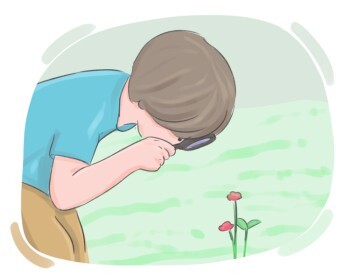
inquisitive
inquisitive
[Adjetivo]

having a desire to learn many different things and asks many questions to gain knowledge or understanding

curioso

curioso

Ex: The inquisitive journalist conducted thorough research to uncover the truth behind the story. 

El periodista curioso realizó una investigación exhaustiva para descubrir la verdad detrás de la historia.
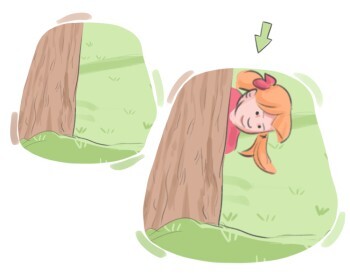
to pop up
to pop up
[Verbo]

to appear or happen unexpectedly

aparecer de repente

aparecer de repente

Ex: I hadn't seen him for years, then he just popped up at the reunion. 

No lo había visto en años, y luego simplemente apareció en la reunión.
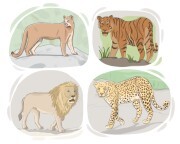
predator
predator
[Sustantivo]

any animal that lives by hunting and eating other animals

depredador

depredador

Ex: Tigers, as solitary predators, stalk their prey silently through the dense forests of Asia. 

Los tigres, como depredadores solitarios, acechan a sus presas en silencio a través de los densos bosques de Asia.

orca
orca
[Sustantivo]

a large, black-and-white marine mammal known for its social behavior, intelligence, and adaptability, found in oceans worldwide and known as an apex predator

orca, ballena asesina

orca, ballena asesina

Ex: The orca's haunting cries echoed through the misty fjords, signaling its presence to others of its pod. 

Los gritos inquietantes de la orca resonaron a través de los fiordos brumosos, señalando su presencia a otros de su manada.

to spot
to spot
[Verbo]

to notice or see someone or something that is hard to do so

descubrir, encontrar
descubrir, encontrar

Ex: Can you spot the hidden details in the intricate painting? 
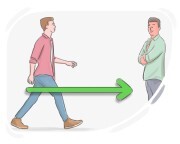
to approach

to go close or closer to something or someone

acercarse a

acercarse a

Ex: The detective is approaching the crime scene to gather evidence. 

El detective se acerca a la escena del crimen para recoger pruebas.

to ride
to ride
[Verbo]

to move or float on water

navegar, flotar
navegar, flotar

Ex: The canoe, propelled by skilled paddlers, continued to ride down the river. 

La canoa, impulsada por hábiles remeros, continuó deslizándose río abajo.

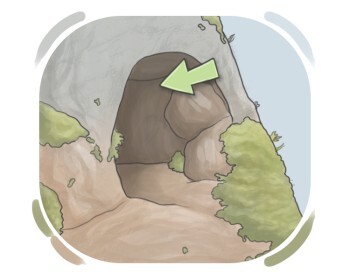
cave
cave
[Sustantivo]

a hole or chamber formed underground naturally by rocks gradually breaking down over time

cueva

cueva

Ex: Scientists study caves to understand geological processes and uncover clues about Earth's history. 

Los científicos estudian las cuevas para entender los procesos geológicos y descubrir pistas sobre la historia de la Tierra.

lost for words

temporarily unable to think of what to say or how to express oneself, often due to shock, surprise, or intense emotion

sin palabras, quedarse sin palabras

sin palabras, quedarse sin palabras

Ex: The touching eulogy at the funeral left everyone in attendance lost for words. 

Cuando me ofrecieron el trabajo, me quedé sin palabras.
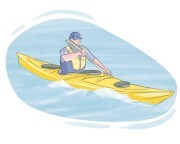
kayak
kayak
[Sustantivo]

a type of boat that is light and has an opening in the top in which the paddler sits

kayak

kayak

Ex: Kayaks are often used for recreational activities such as whitewater rafting and sea kayaking. 

Los kayaks se utilizan a menudo para actividades recreativas como el rafting en aguas bravas y el kayak de mar.
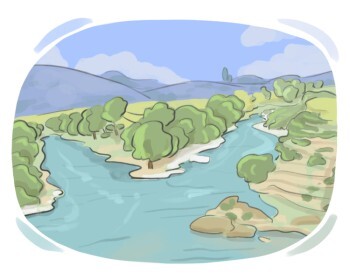
channel
channel
[Sustantivo]

a wide stretch of water that connects two larger areas of water, particularly two seas

canal, cauce

canal, cauce

Ex: Coastal communities along the Intracoastal Waterway in the United States rely on this inland channel for recreational boating, fishing, and transportation between ports along the Atlantic and Gulf coasts. 

Las comunidades costeras a lo largo de la Vía Navegable Intracoastal en los Estados Unidos dependen de este canal interior para la navegación recreativa, la pesca y el transporte entre puertos a lo largo de las costas del Atlántico y del Golfo.

formation
formation
[Sustantivo]

the way something is arranged or organized in a particular pattern or structure

formación, disposición

formación, disposición

Ex: The birds flew in a V-shaped formation during migration. 

Los pájaros volaban en formación en V durante la migración.

isolated
isolated
[Adjetivo]

(of a place or building) far away from any other place, building, or person

aislado

aislado

Ex: The isolated island was accessible only by boat and had no permanent residents. 

La isla aislada solo era accesible en barco y no tenía residentes permanentes.

spot
spot
[Sustantivo]

a specific point or location identified relative to surrounding features in an area or region

ubicación
ubicación

Ex: We picked a spot under the tree for our picnic. 

Elegimos un lugar bajo el árbol para nuestro picnic.

to polish
to polish
[Verbo]

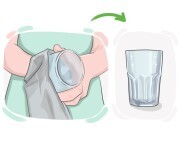
to rub the surface of something, often using a brush or a piece of cloth, to make it bright, smooth, and shiny

dar brillo a

dar brillo a

Ex: The shoeshiner polished the gentleman's leather shoes. 

El limpiabotas pulió los zapatos de cuero del caballero.

brass
brass
[Sustantivo]

a yellowish metal alloy of copper and zinc, often used for making musical instruments, decorative items, and various other objects

latón, metal amarillo

latón, metal amarillo

Ex: In the antique shop, she admired the intricate design of the brass candleholders from the 19th century. 

En la tienda de antigüedades, ella admiraba el intrincado diseño de los candelabros de latón del siglo XIX.

based
based
[Adjetivo]

indicating the main part, material, or feature of something

a base de, basado en

a base de, basado en

Ex: This sauce is tomato-based and full of flavor. 

Esta salsa es a base de tomate y llena de sabor.

LanGeek
Descargar la aplicación LanGeek