
pattern

Cambridge IELTS 17 - Académico - Prueba 1 - Audición - Parte 4

Aprende vocabulario del Cambridge IELTS 17 Academic, Test 1 Listening Part 4, y repasa palabras y expresiones útiles de esta sección del examen de práctica.

Revisión

Tarjetas de memoria

formas

Ortografía

Cuestionario

Empezar a aprender
Cambridge IELTS 17 - Academic
maze
maze
[Sustantivo]

a confusing network of paths separated by bushes or walls, designed in a way that confuses the people who pass through

laberinto

laberinto

Ex: The maze in the garden was filled with twists and turns, making it hard to navigate. 

El laberinto en el jardín estaba lleno de giros y vueltas, lo que hacía difícil navegarlo.
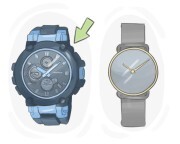
intricate
intricate
[Adjetivo]

having many complex parts or details that make it difficult to understand or work with

intrincado

intrincado

Ex: The puzzle was so intricate that it took hours to complete. 

El rompecabezas era tan intrincado que llevó horas completarlo.

network
network
[Sustantivo]

a system of intersecting lines or channels that form a web-like structure

red, entramado

red, entramado

Ex: The country's extensive network of highways connects all major cities and towns. 
fashionable
fashionable
[Adjetivo]

popular and considered stylish or trendy at a particular time

de moda, a la moda
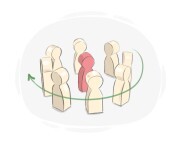
de moda, a la moda

Ex: That restaurant is fashionable right now, with a line of people waiting outside. 
to surround

to be around something on all sides

rodear
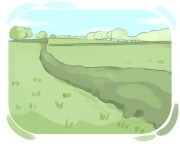
rodear

Ex: The park is surrounded by tall buildings, creating a peaceful oasis. 
hedge
hedge
[Sustantivo]

a row of closely planted bushes or small trees forming a boundary or barrier

seto, seto vivo

seto, seto vivo

Ex: The children disappeared behind the thick hedge. 
to work out

to find a solution to a problem

resolver, encontrar

resolver, encontrar

Ex: Can you work out a plan for improving employee satisfaction? 

¿Puedes elaborar un plan para mejorar la satisfacción de los empleados?

dead end
dead end
[Sustantivo]

a street with no exit, closed at one end

callejón sin salida, calle sin salida

callejón sin salida, calle sin salida

Ex: He turned the car around when they reached the dead end. 

Dio la vuelta al coche cuando llegaron al callejón sin salida.

on the other (hand|)

used to introduce a contrasting aspect of a situation, especially when comparing it to a previous point

por otro lado, por otra parte

por otro lado, por otra parte

Ex: This phone has a great camera.  On the other hand, its battery life is terrible. 

Este teléfono tiene una cámara excelente. Por otro lado, su duración de batería es terrible.
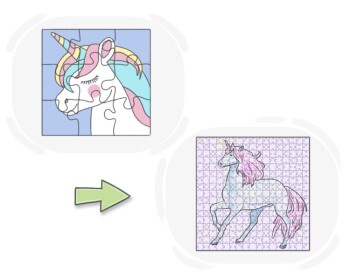
complicated
complicated
[Adjetivo]

involving many different parts or elements that make something difficult to understand or deal with

complicado, difícil

complicado, difícil

Ex: The algorithm used in the program was complicated, with multiple nested functions. 

El algoritmo utilizado en el programa era complicado, con múltiples funciones anidadas.
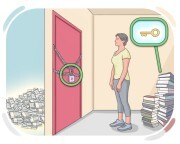
metaphor
metaphor
[Sustantivo]

a figure of speech in which a word or expression is used to describe something by implying a comparison with something else

metáfora

metáfora

Ex: The author develops the metaphor throughout the novel. 
to serve
to serve
[Verbo]

to be of use or help in fulfilling or accomplishing something

servir, ser útil

servir, ser útil

Ex: These experiments serve no useful purpose. 
spiritual
spiritual
[Adjetivo]

relating to the soul, spirit, or inner nonphysical part of a person

espiritual

espiritual

Ex: She described the experience as a period of spiritual growth. 
purpose
purpose
[Sustantivo]

the reason or intention for which something is made, done, or used

propósito, objetivo

propósito, objetivo

Ex: She explained the purpose of the experiment to her science class. 
direction
direction
[Sustantivo]

something that provides direction or advice as to a decision or course of action

orientación, consejo

orientación, consejo

Ex: He provided useful direction during the planning stage. 
meditation
meditation
[Sustantivo]

the act or practice of concentrating on the mind and releasing negative energy or thoughts for religious reasons or for calming one's mind

meditación

meditación

Ex: engaging in meditation before a presentation has helped Sam to ease his nerves. 

Participar en la meditación antes de una presentación ha ayudado a Sam a calmar sus nervios.
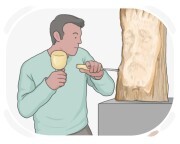
to carve
to carve
[Verbo]

to shape or create by cutting or sculpting, often using tools or a sharp instrument

tallar, esculpir

tallar, esculpir

Ex: The artisan carved delicate details into the ivory pendant. 
carving
carving
[Sustantivo]

an object or pattern that is made by cutting solid material

talla, escultura

talla, escultura

to date from

belong to an earlier time

datarse de, remontarse a

datarse de, remontarse a

Bronze Age
Bronze Age
[Sustantivo]

the period when iron was not discovered and people used bronze to make tools

Edad de Bronce

Edad de Bronce

Ex: Archaeologists uncovered a Bronze Age burial site, revealing intricate jewelry and weapons crafted from bronze. 

Los arqueólogos descubrieron un sitio de entierro de la Edad del Bronce, revelando joyas y armas intrincadas elaboradas en bronce.

tribe
tribe
[Sustantivo]

a social group of families or communities connected by shared ancestry, culture, language, traditions, or leadership

Ex: Sarah studied how the tribe adapted to changes in its environment. 
to weave
to weave
[Verbo]

to make an object or structure by interlacing flexible strands or materials

tejer,  trenzar

tejer, trenzar

Ex: He wove the reeds together to make a simple mat. 
to depict
to depict
[Verbo]

to represent someone or something in a picture, painting, drawing, or other visual artwork

representar, pintar

representar, pintar

Ex: The mural depicts scenes from the city's history. 
cosmology
cosmology
[Sustantivo]

the study of the beginning and characteristic of the universe

cosmología

cosmología

bathhouse
bathhouse
[Sustantivo]

a building where people can use public baths, often with other washing or bathing facilities

casa de baños,  baños públicos

casa de baños, baños públicos

Ex: The historic bathhouse was restored and reopened to the public. 
villa
villa
[Sustantivo]

a large and often luxurious house in the countryside, especially in southern Europe

villa
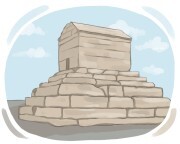
villa

Ex: The old villa is surrounded by olive trees and gardens. 
tomb
tomb
[Sustantivo]

an overground or underground grave that is large in size and is often made of stone

tumba

tumba

Ex: Visitors came from far and wide to see the famous royal tomb. 

Los visitantes vinieron de todas partes para ver el famoso tumba real.

to design
to design
[Verbo]

to create or plan something with a specific function or purpose in mind

diseñar, planificar

diseñar, planificar

Ex: They are designing a program to help students improve their reading skills. 
turf
turf
[Sustantivo]

the upper layer of soil held together by a dense growth of grass and its roots

césped,  tepe

césped, tepe

Ex: The horse kicked up pieces of turf as it galloped. 
fertility
fertility
[Sustantivo]

the capacity of soil or land to support abundant plant growth

fertilidad, fecundidad

fertilidad, fecundidad

Ex: Years of erosion had severely reduced the land's fertility. 
rite
rite
[Sustantivo]

a formal or traditional act performed for a specific purpose, often in religious or cultural ceremonies

rito, ceremonia

rito, ceremonia

Ex: The villagers gathered for the seasonal harvest rite. 

Los aldeanos se reunieron para el rito de la cosecha estacional.
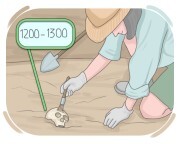
to date back

to have origins or existence that extends to a specific earlier time

remontarse a, datarse en

remontarse a, datarse en

Ex: The traditions of the festival date back to a time when the community was founded. 

Las tradiciones del festival se remontan a una época en la que se fundó la comunidad.
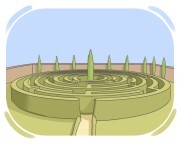
labyrinth
labyrinth
[Sustantivo]

a structure with confusing or interconnected passages and paths

laberinto

laberinto

Ex: Exploring the ancient ruins, I found myself lost in a labyrinth of tunnels and corridors. 

Explorando las ruinas antiguas, me encontré perdido en un laberinto de túneles y corredores.

labyrinthine
labyrinthine
[Adjetivo]

complicated or difficult to follow, like a maze

laberíntico

laberíntico

Ex: Her explanation of the rules was so labyrinthine that everyone was left confused. 

Su explicación de las reglas fue tan laberíntica que todos quedaron confundidos.

symbol
symbol
[Sustantivo]

a sign or shape that represents a particular idea or organization

símbolo

símbolo

Ex: In ancient mythology, the owl was a symbol of wisdom and knowledge, associated with the goddess Athena. 
diverse
diverse
[Adjetivo]

showing a variety of distinct types or qualities

diverso

diverso

Ex: She enjoys listening to diverse genres of music, from classical to jazz. 

A ella le gusta escuchar diversos géneros de música, desde el clásico hasta el jazz.

various
various
[Adjetivo]

several and of different types or kinds

varios

varios

Ex: The museum exhibits various artifacts from ancient civilizations. 

El museo exhibe varios artefactos de civilizaciones antiguas.

in common
in common
[Adverbio]

having something jointly or mutually possessed

en común, en conjunto

en común, en conjunto

Ex: We discovered we had a favorite author in common. 

Descubrimos que teníamos un autor favorito en común.

winding
winding
[Adjetivo]

having multiple twists and turns

sinuoso, serpenteante

sinuoso, serpenteante

Ex: The village had charming, winding streets lined with small shops. 

El pueblo tenía calles encantadoras y serpenteantes bordeadas de pequeñas tiendas.

spiral
spiral
[Adjetivo]

having a shape that winds around a central point or axis

en espiral, de espiral

en espiral, de espiral

Ex: The spring was coiled in a spiral shape, providing tension when compressed. 

El resorte estaba enrollado en forma de espiral, proporcionando tensión cuando se comprimía.

to lead
to lead
[Verbo]

to go to a specific place or in a certain direction

llevar, conducir
llevar, conducir

Ex: The path led away from the village and towards the mountains. 
to involve
to involve
[Verbo]

to contain or include something as a necessary part

implicar, suponer, involucrar

implicar, suponer, involucrar

Ex: The job involves my travelling all over the country. 
twist
twist
[Sustantivo]

a curved, spiral, or coiled shape formed by turning or bending something

torsión

torsión

Ex: The metal railing ends in a decorative twist. 
turn
turn
[Sustantivo]

a place in a road, river, etc. where it bends

curva, recodo

curva, recodo

Ex: The scenic route features a beautiful turn that offers a panoramic view of the valley. 
to take on
to take on
[Verbo]

to adopt a particular quality or appearance

adquirir, asumir

adquirir, asumir

Ex: The story takes on a mysterious twist as the protagonist uncovers hidden secrets. 

La historia adquiere un giro misterioso cuando el protagonista descubre secretos ocultos.

to experience

to undergo or live through particular mental or physical conditions

experimentar, vivir

experimentar, vivir

Ex: The hikers experienced difficulty breathing at high altitudes. 
revival
revival
[Sustantivo]

the process of becoming active, successful, popular, or important again after a period of decline

renacimiento,  reactivación

renacimiento, reactivación

Ex: Lower prices contributed to a revival in consumer demand. 
to promote
to promote
[Verbo]

to help or support the progress or development of something

apoyer

apoyer

Ex: The government launched a campaign to promote environmental conservation and sustainability. 
healing
healing
[Sustantivo]

the process of becoming healthy again after an injury or illness

curación

curación

Ex: The doctor was impressed by the rapid healing of the surgical wound. 
mindfulness
mindfulness
[Sustantivo]

a mental state achieved by maintaining a moment-by-moment awareness of one's thoughts, feelings, etc., used as a therapeutic technique

conciencia plena, atención plena

conciencia plena, atención plena

Ex: Mindfulness exercises can be effective in reducing symptoms of depression. 

Los ejercicios de atención plena pueden ser efectivos para reducir los síntomas de la depresión.

to restore
to restore
[Verbo]

to bring something back into existence or operation, especially after a period of inactivity or decline

restablecer, restaurar

restablecer, restaurar

Ex: The government's initiative aims to restore confidence in the economy through strategic investments. 
perspective
perspective
[Sustantivo]

a specific manner of considering something

perspectiva

perspectiva

Ex: The artist's paintings reflect his abstract perspective on nature and life. 
to lay
to lay
[Verbo]

to set or install something in place, such as laying bricks or tiles

colocar, instalar

colocar, instalar

Ex: It took several days to lay the intricate mosaic tiles in the kitchen. 
spa
spa
[Sustantivo]

a commercial establishment that offers a range of services related to health, beauty, and relaxation, such as massages, facials, saunas, and hot tubs

spa, centro de bienestar

spa, centro de bienestar

Ex: After a long week of work, he treated himself to a day at the spa. 

Después de una larga semana de trabajo, se dio el gusto de pasar un día en el spa.

pamphlet
pamphlet
[Sustantivo]

a small book with a paper cover giving information about a particular subject

folleto

folleto

Ex: The environmental organization produced pamphlets to raise awareness about conservation efforts and ways individuals can help protect the planet. 
midst
midst
[Sustantivo]

the middle of a period of time during which an ongoing action or condition is occurring

medio, corazón

medio, corazón

Ex: The family was in the midst of dinner when an unexpected guest arrived at the door. 

La familia estaba en medio de la cena cuando llegó un invitado inesperado a la puerta.
crisis
crisis
[Sustantivo]

a period of serious difficulty or danger that requires immediate action

crisis

crisis

Ex: Mental health services play a crucial role in providing support to individuals experiencing crisis, offering counseling, therapy, and intervention when needed. 
apparently
apparently
[Adverbio]

used to convey that something seems to be true based on the available evidence or information

por lo visto

por lo visto

Ex: Apparently, the train is delayed due to technical issues. 
corridor
corridor
[Sustantivo]

a long passage in a building, usually with rooms opening from one or both sides

pasillo

pasillo

Ex: Daniel heard footsteps in the hotel corridor. 
sketchy
sketchy
[Adjetivo]

low-quality, unreliable, or suspiciously done

sospechoso y de baja calidad, poco fiable y mal hecho

sospechoso y de baja calidad, poco fiable y mal hecho

Ex: I bought a sketchy phone from a street vendor, and it stopped working the next day. 
small-scale
small-scale
[Adjetivo]

characterized by a limited or reduced size

pequeño o limitado

pequeño o limitado

Ex: The exhibition featured small-scale replicas of famous landmarks. 

La exposición presentaba réplicas a pequeña escala de monumentos famosos.

to support
to support
[Verbo]

to present reasons or advocate for a particular idea, cause, or viewpoint

apoyar, respaldar

apoyar, respaldar

Ex: Public health experts consistently support the benefits of vaccinations. 
to claim
to claim
[Verbo]

to say that something is the case without providing proof for it

asegurar

asegurar

Ex: Yesterday, the politician confidently claimed that the opposition's policies were harmful. 
relief
relief
[Sustantivo]

a feeling of comfort that comes when something annoying or upsetting is gone

alivio, tranquilidad

alivio, tranquilidad

Ex: His pain finally subsided, giving him much-needed relief. 
appeal
appeal
[Sustantivo]

the attraction and allure that makes one interesting

atractivo
atractivo

Ex: The appeal of city life attracts many young professionals. 
Alzheimer's disease

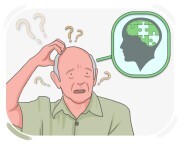
a progressive neurologic disorder, particularly affecting older people, that slowly destroys brain cells and causes thinking ability and memory to deteriorate over time

enfermedad de Alzheimer, Alzhéimer

enfermedad de Alzheimer, Alzhéimer

to navigate

to move through a challenging area with careful consideration of obstacles

navegar,  dirigirse

navegar, dirigirse

Ex: The sailors faced the challenge of navigating the treacherous waters near the rocky coastline during the storm. 

Los marineros enfrentaron el desafío de navegar las aguas traicioneras cerca de la costa rocosa durante la tormenta.
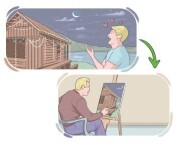
to derive from

to be originated from something

derivar

derivar

Ex: Certain traditions in the festival derive from ancient cultural practices passed down through generations. 

Ciertas tradiciones en el festival derivan de prácticas culturales antiguas transmitidas a través de generaciones.

setting
setting
[Sustantivo]

the condition or characteristics of the environment in which a particular situation occurs, influencing the overall atmosphere and dynamics

entorno,  ambiente

entorno, ambiente

Ex: The bustling setting of the city street was full of energy and life. 
mosaic
mosaic
[Sustantivo]

a picture or decorative design made from small pieces of stone, glass, ceramic, or similar materials

mosaico

mosaico

Ex: Workers uncovered an ancient mosaic beneath the floor. 
LanGeek
Descargar la aplicación LanGeek
