
Cambridge IELTS 15 - Academic - Prueba 1 - Lectura - Pasaje 3
Aprende vocabulario del Cambridge IELTS 15 Academic, Test 1 Reading Passage 3, y repasa palabras y expresiones útiles de este texto de lectura.
Revisión
Tarjetas de memoria
formas
Ortografía
Cuestionario

used to emphasize or confirm a statement

ciertamente, de verdad
Los rumores sobre el lanzamiento del nuevo producto eran, efectivamente, precisos.

to fall, sit, or sink down heavily, often because of exhaustion, weakness, or disappointment
desplomarse

(of a person) to utter a few words in a rough or nonchalant voice, especially when one does not want to talk extensively
gruñir, refunfuñar
El trabajador cansado gruñó una queja sobre el comienzo temprano y se arrastró hasta la máquina de café.

a large African antelope characterized by its distinctive appearance with a stocky body
ñu, wildebeest
(Southern US) at some distance in a specified direction
por allá, allí lejos
Puedes ver la montaña allá a lo lejos.

to search with determination, often for something of great importance or value
buscar con determinación, indagar con ahínco
Actualmente está en búsqueda de respuestas a las grandes preguntas de la vida.
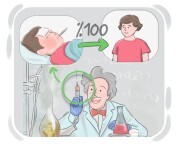
used to say that there is no doubt something is true or is the case
indudablemente, sin duda
Sin duda, el concierto fue el punto culminante del festival, atrayendo a una gran multitud.
referring to the lifestyle of constantly traveling from place to place, with individuals or groups never staying in one location for an extended period of time
nómada
El pueblo romaní, también conocido como gitanos, tiene una larga historia de estilo de vida nómada, viajando en caravanas por Europa.
having been used up or reduced in quantity, energy, or resources
agotado, mermado
El suelo agotado ya no era lo suficientemente fértil para cultivar.
to navigate or find a way through an obstacle or path
negociar, atravesar
having distinct characteristics or qualities that make something different or unique
peculiar, singular
a category or type of something
raza, estirpe
nothing more than what is to be said
simplemente, solamente
Solo estamos mirando, sin planes de comprar nada todavía.
having a tendency to do something
interesado
El equipo está inclinado a celebrar cada pequeña victoria en el camino.

to undertake a risky or daring journey or course of action
atreverse a salir

to ask for or seek information about something
preguntar
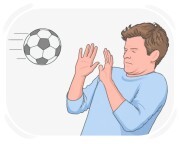
a natural tendency or ability to behave or react in a particular way without conscious thought or learning
instinto, intuición
a scientist who studies the plants and animals that live in the ocean and other saltwater environments
biólogo marino, oceanógrafo biólogo
Los biólogos marinos a menudo trabajan en barcos de investigación.

a scientist who studies or observes planets, stars, and other happenings in the universe
astrónomo
Se convirtió en astrónoma debido a su fascinación por los misterios del cosmos.
to place the events of a play, movie, novel, etc. in a particular time or place
ambientar, situar
(of land) not prepared or used for growing crops
inculto, sin cultivar

an area of scenery visible in a single view
paisaje
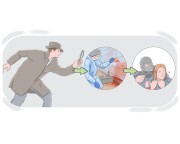
to search something to find or discover something
investigar, profundizar
Actualmente está indagando en los artículos de investigación para encontrar fuentes relevantes para su tesis.

far away in distance or position
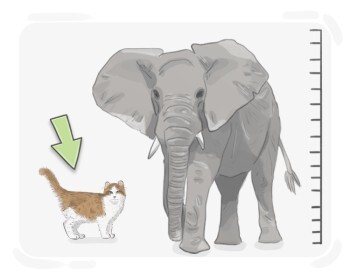
small and weak in strength or size
endeble, débil
A pesar de su estatura pequeña, se enfrentó al matón con valentía y determinación.

a person who lives in a country of which they are not a citizen
extranjero

to move slowly with the body near the ground or on the hands and knees
arrastrarse

in a way that requires a lot of effort or hard work, often slowly and with difficulty
laboriosamente, penosamente
Escribió la carta laboriosamente, una tecla a la vez.
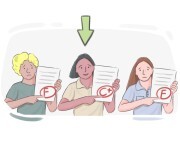
to a specific degree, particularly when compared to other similar things
relativamente
El costo de vida aquí es relativamente bajo.
reliable and consistently good, but not necessarily exceptional
sólido, fiable
a person of importance, fame, or public recognition
figura, personaje

to restrict someone or something within particular limits, areas, subjects, or activities
limitar
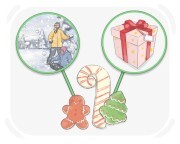
to make a connection between someone or something and another in the mind
asociar
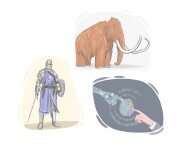
a period of history characterized by particular events, developments, or features
era, época
an idealized or imagined period of peace, prosperity, and happiness
época dorada, edad de oro
La gente a menudo mira con nostalgia el edad de oro de la infancia.

to reach the highest level, point, or intensity
alcanzar su punto máximo, culminar

almost not; only just enough
apenas, casi no
El niño era apenas lo suficientemente alto como para alcanzar el estante.
the internal parts and mechanisms through which a device operates
mecanismo, funcionamiento
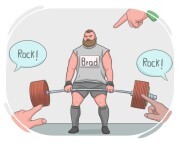
to give someone or something a nickname, often to show affection or to highlight a specific trait
apodar, bautizar
El talentoso joven actor, después de su actuación revolucionaria, fue rápidamente apodado "La Estrella en Ascenso" por los medios.
greatest in significance, importance, degree, or achievement
destacado

a person who engages in the activity of climbing mountains
alpinista
Su sueño, desde que era niño, era convertirse en un montañero y estar en la cima de las montañas más altas del mundo.

a person who works actively to support or promote a particular cause or campaign
activista, promotor
referring to a name commonly used for something
llamado, supuesto
Los llamados medicamentos inteligentes todavía están siendo estudiados por su seguridad.
associated with a social group of people who share common ancestry, language, and traditions, and often reside in a specific geographic area
tribal, de la tribu
El lenguaje tribal se transmite de generación en generación como un símbolo de identidad cultural.
a difficult, unusual, or risky action performed to attract attention
acrobacia, hazaña publicitaria
El número del mago asombró al público.
without taking into consideration or being influenced by a particular factor or condition
independientemente de, sin tener en cuenta
La política se aplica a todos los empleados, independientemente de su antigüedad.
to show a particular quality, characteristic, or emotion
reflejar, mostrar
an activity or undertaking directed toward achieving a particular goal
empresa
a person who is among the first to develop or introduce a new field, method, or idea
pionero

widely known and important or influential
prominente

having the latest and most advanced features or design
de vanguardia, innovador
El casco de realidad virtual de vanguardia ofrece experiencias de juego inmersivas y simulaciones realistas.
the particular characteristics that are considered when evaluating something
criterios, parámetros
expressed with clarity and precision, leaving no doubt as to the meaning or intention
claro

a goal that one wants to achieve
objetivo
the beginning of something
principio

to officially tell people something
declarar, manifestar
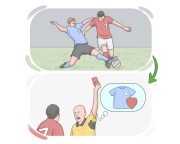
an unfair preference or tendency that influences judgment
prejuicio, sesgo
an organized journey undertaken for a particular purpose, especially exploration, research, or military action
expedición
a biased or subjective angle in presenting information, often reflecting personal or ideological viewpoints
enfoque, punto de vista
El documental ofreció un enfoque refrescante sobre el cambio climático.
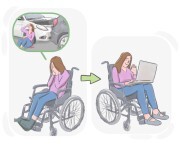
to accept a change or a new situation and be ready to continue with one's life and deal with new experiences, especially after a bad experience such as a breakup
aceptar un cambio o una mala experiencia y seguir adelante, dejar atrás el pasado y estar listo para nuevas experiencias
A menudo, las personas encuentran difícil seguir adelante después de una pérdida significativa.
of, relating to, or characteristic of a continent
continental
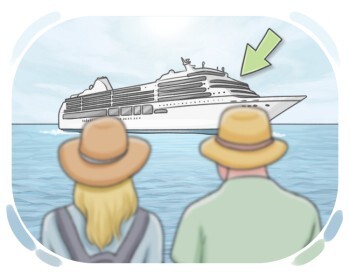
a long journey taken on a ship or spacecraft
viaje
Planearon un viaje a la Antártida para estudiar la vida silvestre y el clima únicos del continente.
the act of animals eating grass or other plants growing in a field
pastoreo, ramoneo
Los agricultores establecieron una nueva área de pastoreo para sus ovejas.

to intentionally ignore or act without concern for something or someone that deserves consideration
ignorar
El criminal ignora la ley y continúa con actividades ilegales.
to serve as a means of expressing or communicating a feeling, idea, quality, or impression
expresar
an explanation or understanding derived from analyzing or interpreting something that is not immediately clear
interpretación, explicación
a clear and deep understanding of a person, situation, problem, or subject
perspicacia
belonging to something or someone's character and nature
intrínseco
La belleza del atardecer tenía un encanto intrínseco, cautivando a todos los que lo presenciaron.
intimidating, challenging, or overwhelming in a way that creates a sense of fear or unease
desalentador
La perspectiva de comenzar un nuevo trabajo en un país extranjero parecía desalentadora al principio, pero rápidamente se adaptó.
a powerful feeling prompting someone to act or respond
deseo, impulso

to provide someone with information about something ambiguous to make it easier to understand
aclarar algo, explicar mejor algo
Sus comentarios aclararon la confusión dentro del equipo.
a Latin phrase (or its abbreviation) used to indicate that special attention should be paid to something
nota bene, nótese bien
having no communication or interaction with the outside world, especially with modern society
aislado, sin contacto
Los investigadores descubrieron signos de una comunidad no contactada en las montañas.
