
pattern

250 Verbes Phrasaux Anglais Les Plus Courants - Top 201 - 225 Verbes à Particule

Ici, vous êtes fourni avec la partie 9 de la liste des verbes à particules les plus courants en anglais tels que "pick out", "look on", et "turn up".

Réviser

Flashcards

formes

Orthographe

Quiz

Commencer à apprendre
Most Common Phrasal Verbs in English Vocabulary
to pick out

to choose among a group of people or things

choisir

choisir

Ex: Out of all the puppies, he picked out the one with the white patch on its forehead. 
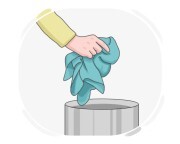
to throw out

to get rid of something that is no longer needed

jeter dehors, mettre à la porte

jeter dehors, mettre à la porte

Ex: Don't forget to throw the trash out before you leave. 
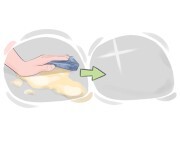
to wipe out

to entirely remove something

anéantir, éliminer, éradiquer

anéantir, éliminer, éradiquer

Ex: They wiped the stain out from the carpet using a cleaning solution. 
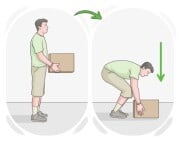
to put down

to stop carrying something by putting it on the ground

poser

poser

Ex: As soon as I entered the room, I put down my umbrella. 
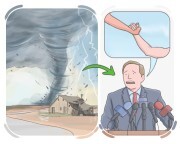
to call on
to call on
[verbe]

to officially ask a person or organization to do something

faire appel à [qqn] pour [qch], demander à [qqn] de faire [qch]

faire appel à [qqn] pour [qch], demander à [qqn] de faire [qch]

Ex: The mayor called on the community for support during the crisis. 
to step up
to step up
[verbe]

to increase the size, amount, intensity, speed, etc. of something

augmenter, intensifier

augmenter, intensifier

Ex: The government decided to step up security measures in response to the increased threat. 
to look on
to look on
[verbe]

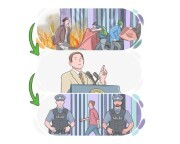
to watch an event or incident without getting involved

regarder (en spectateur)

regarder (en spectateur)

Ex: Passers-by simply looked on as the two men argued heatedly on the sidewalk. 
to get away

to escape from someone or somewhere

s'échapper, s'enfuir

s'échapper, s'enfuir

Ex: The thief tried to get away, but the police quickly caught him. 
to name after

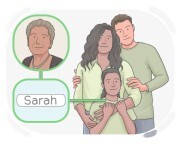
to give someone or something a name in honor or in memory of another person or thing

donner le nom de [qqn] à [qqn]

donner le nom de [qqn] à [qqn]

Ex: They decided to name their daughter after her grandmother. 
to go at
to go at
[verbe]

to physically or verbally attack someone

attaquer, se jeter sur

attaquer, se jeter sur

Ex: The enraged boxer went at his opponent with a series of powerful punches. 
to touch on

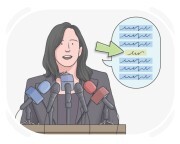
to briefly mention a subject in written or spoken discussion

effleurer

effleurer

Ex: The professor touched on several interesting historical events during the lecture. 
to go on
to go on
[verbe]

to pass to doing something, particularly once one has finished doing something else

continuer en faisant

continuer en faisant

Ex: After the meeting, she will go on to prepare a report. 
to turn up
to turn up
[verbe]

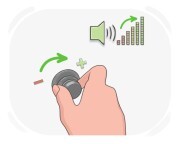
to turn a switch on a device so that it makes more sound, heat, etc.

monter

monter

Ex: Can you turn up the radio? I want to listen to this song. 
to speak out

to confidently share one's thoughts or feelings without any hesitation

dire ce que l'on pense, dire ce que l'on a sur le cœur

dire ce que l'on pense, dire ce que l'on a sur le cœur

Ex: Employees should feel empowered to speak out about workplace concerns. 
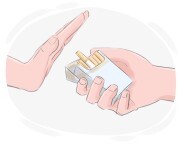
to stay away

to avoid someone or something that might have a negative impact on one

ne pas s'approcher de

ne pas s'approcher de

Ex: After the breakup, Sarah decided to stay away from her ex-boyfriend to give herself space and time to heal. 
to play around

to behave in an irresponsible or stupid manner

faire l’imbécile

faire l’imbécile

Ex: He needs to stop playing around and take his studies seriously. 
to make out

to kiss and touch someone in a sexual manner

se rouler des pelles, se peloter

se rouler des pelles, se peloter

Ex: The couple couldn't keep their hands off each other and made out on the couch all night. 
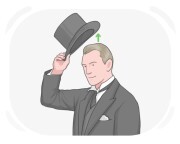
to get down

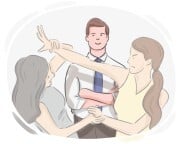
to quickly lower one's body or take cover, often in response to a threat or to avoid danger

descendre

descendre

Ex: When the alarm went off, everyone had to get down to the ground as a safety precaution. 
to act on
to act on
[verbe]

to adjust one's actions or behavior based on specific information, ideas, or advice

agir sur la base de

agir sur la base de

Ex: He chose to act on the financial advisor's recommendations to save for retirement. 
to fill out

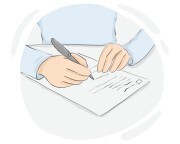
to complete an official form or document by writing information on it

remplir

remplir

Ex: Please take a moment to fill out the application form for the job. 
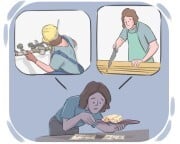
to reflect on

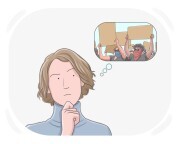
to think carefully and deeply about something

réfléchir à, donner une (bonne ou  mauvaise) image de

réfléchir à, donner une (bonne ou mauvaise) image de

Ex: He liked to reflect on his past achievements when he reached a milestone. 
to get by
to get by
[verbe]

to be capable of living or doing something using the available resources, knowledge, money, etc.

se débrouiller, s'en sortir

se débrouiller, s'en sortir

Ex: He didn't know the local language, but he could get by using basic phrases and gestures. 
to lift up
to lift up
[verbe]

to take someone or something and move them upward

soulever

soulever

Ex: The father lifted up his son onto his shoulders for a better view of the parade. 
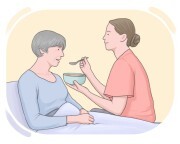
to look after

to take care of someone or something and attend to their needs, well-being, or safety

s’occuper de

s’occuper de

Ex: The nurse looks after the sick patient by monitoring their condition and providing medication. 
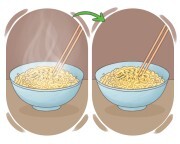
to cool down

to reduce the temperature of something

refroidir

refroidir

Ex: Placing the hot dish in front of the fan will help cool it down quickly. 
LanGeek
Télécharger l'application LanGeek