
250 nejčastějších anglických frázových sloves - Top 201 - 225 Frázová Slovesa
Zde je vám poskytnuta část 9 seznamu nejběžnějších frázových sloves v angličtině, jako jsou "pick out", "look on" a "turn up".
Revize
Kartičky
tvary
Pravopis
Kvíz
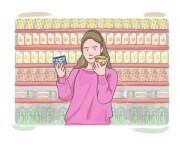
to choose among a group of people or things

vybrat ze skupiny, vybrat
Požádali děti, aby vybraly své oblíbené hračky.
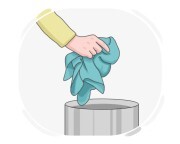
to get rid of something that is no longer needed
vyhodit, zbavit se
Měli byste vyhodit svůj zubní kartáček každé tři měsíce.

to entirely remove something
úplně odstranit, vymazat
Školník zcela odstranil graffiti ze školních zdí.
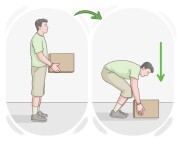
to stop carrying something by putting it on the ground
položit, odložit
Po koncertě odložili své nástroje.
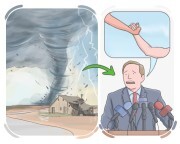
to officially ask a person or organization to do something
oficiálně vyzvat někoho nebo organizaci aby něco udělali, vyzvat osobu nebo instituci k jednání
Starosta vyzval komunitu k podpoře během krize.
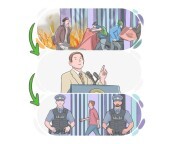
to increase the size, amount, intensity, speed, etc. of something
zvýšit, zesílit
Vláda se rozhodla zesílit bezpečnostní opatření v reakci na zvýšenou hrozbu.
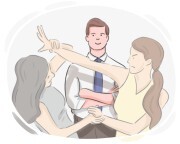
to watch an event or incident without getting involved
přihlížet bez zapojení, být pouze svědkem události
Často se bavila pohledem, jak se její přátelé zapojují do hravého škádlení.
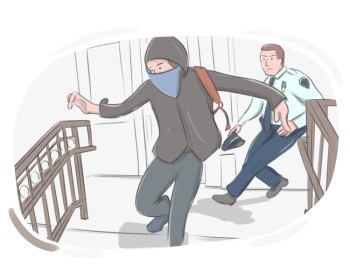
to escape from someone or somewhere
uniknout od někoho nebo z nějakého místa, uniknout a dostat se pryč
Bankovní lupič se pokusil uniknout s ukradenými penězi, ale policie ho dostihla.
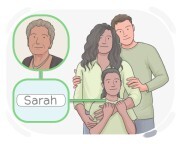
to give someone or something a name in honor or in memory of another person or thing
pojmenovat po, dát jméno na počest
Ulice byla pojmenována po místním válečném hrdinovi.
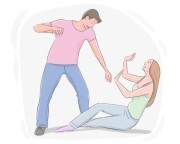
to physically or verbally attack someone
zaútočit, vrhnout se na
Když byl provokován, měl sklon útočit na lidi, takže bylo nejlepší se konfrontaci vyhnout.
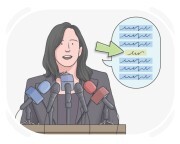
to briefly mention a subject in written or spoken discussion
stručně se zmínit o tématu, zmínit bod bez podrobného vysvětlení
Profesor se během přednášky dotkl několika zajímavých historických událostí.

to pass to doing something, particularly once one has finished doing something else
přejít k, pokračovat s
Pokračoval v práci na novém projektu po dokončení předchozího.
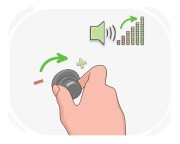
to turn a switch on a device so that it makes more sound, heat, etc.
zesílit
Polévka se neohřívala dostatečně rychle, takže zvýšila teplotu sporáku.
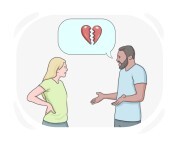
to confidently share one's thoughts or feelings without any hesitation
otevřeně vyjádřit svůj názor, bez váhání říct co si myslí nebo cítí
Vždy mluví proti diskriminaci.
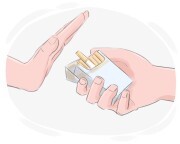
to avoid someone or something that might have a negative impact on one
vyhýbat se někomu nebo něčemu co by mohlo mít negativní vliv, nepřibližovat se a udržovat si odstup
Po rozchodu se Sarah rozhodla držet se dál od svého bývalého přítele, aby si dala prostor a čas na uzdravení.

to behave in an irresponsible or stupid manner
chovat se nezodpovědně nebo hloupě, nebrat věc vážně a dělat hlouposti
Pokud bude dál flákat v práci, mohl by přijít o práci.

to kiss and touch someone in a sexual manner
vášnivě se líbat a dotýkat, intimně se mazlit
Pár se vášnivě líbal na svatební noci.
to quickly lower one's body or take cover, often in response to a threat or to avoid danger
sklonit se, ukrýt se
Když zazněl poplach, všichni se museli sklonit k zemi jako bezpečnostní opatření.

to adjust one's actions or behavior based on specific information, ideas, or advice
jednat podle, upravit své jednání nebo chování na základě konkrétních informací

to complete an official form or document by writing information on it
vyplnit formulář, zapsat požadované údaje do úředního dokumentu
Účastníci byli požádáni, aby vyplnili dotazník a poskytli zpětnou vazbu na školící program.
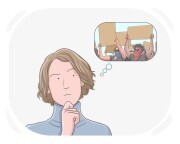
to think carefully and deeply about something
hluboce a pečlivě o něčem přemýšlet, promýšlet různé stránky něčeho
Během meditace často přemýšlel o podstatě vnitřního klidu.
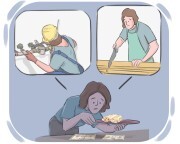
to be capable of living or doing something using the available resources, knowledge, money, etc.
vyjít, proplétat se
V divočině se naučíte vystačit si s omezenými zásobami a dovednostmi přežití.
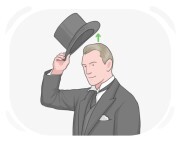
to take someone or something and move them upward
zvednout, zdvihnout nahoru
Otec zvedl svého syna na ramena, aby měl lepší výhled na přehlídku.
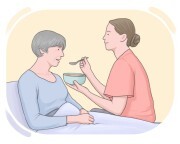
to take care of someone or something and attend to their needs, well-being, or safety
pečovat o, starat se o
Společnost pečuje o své zaměstnance tím, že jim poskytuje bezpečné a zdravé pracovní prostředí.
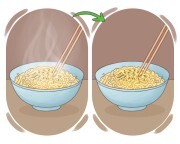
to reduce the temperature of something
snížit teplotu něčeho, ochladit něco
Šéfkuchař použil metodu rychlého ochlazení k ochlazení čerstvě uvařené polévky před podáváním.
| 250 nejčastějších anglických frázových sloves | |||
|---|---|---|---|
| Top 1 - 25 Frázová Slovesa | Top 26 - 50 Frázová Slovesa | Top 51 - 75 Frázová Slovesa | Top 76 - 100 Frázová Slovesa |
| Top 101 - 125 Frázová Slovesa | Top 126 - 150 Frázová Slovesa | Top 151 - 175 Frázová Slovesa | Top 176 - 200 Frázová Slovesa |
| Top 201 - 225 Frázová Slovesa | Top 226 - 250 Frázová Slovesa | ||
