
Le livre Interchange - Débutant - Unité 16
Ici, vous trouverez le vocabulaire de l'Unité 16 du manuel Interchange Beginner, comme "réunion", "garder des enfants", "populaire", etc.
Réviser
Flashcards
Orthographe
Quiz


a piece of information or a request communicated to someone in writing, speech, or electronic form

message

using imagination and original ideas to create or develop something
créatif
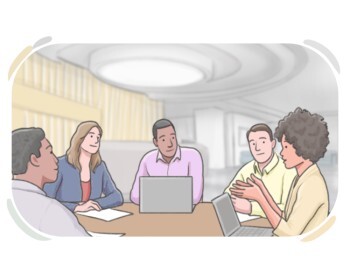
an event in which people meet, either in person or online, to talk about something
réunion
Je l'ai rencontrée lors d'une réunion d'affaires l'année dernière.
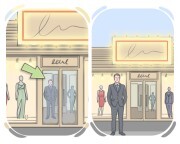
used to show a particular place or position
à
Elle attend toujours à l'arrêt de bus.
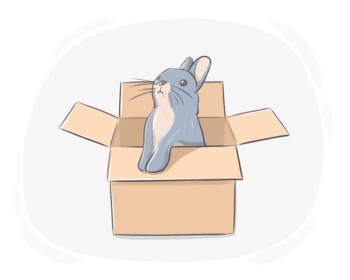
used to show that something exists or happens inside a space or area
en, dans
Les clés sont dans mon sac à dos.
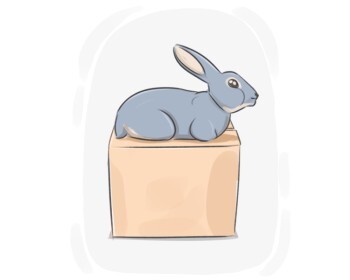
in contact with and supported by the surface of something
sur

(second-person pronoun) used for referring to the one or the people we are writing or talking to
tu,vous
Est-ce que tu aimes la glace au chocolat ?

(subjective third-person singular pronoun) used when referring to a male human or animal that was already mentioned or one that is easy to identify
il
Il aime jouer au football avec ses amis le week-end.
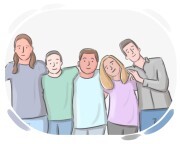
(subjective first-person plural pronoun) used by a speaker when they want to talk or write about themselves and at least one other person
nous
Pouvons-nous nous rencontrer demain pour discuter du projet ?

(subjective third-person plural pronoun) used when referring to the things or people that were already mentioned
ils/elles
Savez-vous où ils sont allés après la fête ?

(objective first-person singular pronoun) used by the speaker to refer to themselves when they are the object of a sentence
me
Elle a invité Sarah et moi à la fête.
(second-person pronoun) used for referring to the one or the people we are writing or talking to
tu,vous
Est-ce que tu aimes la glace au chocolat ?
(objective third-person singular pronoun) used when referring to a male human or animal as the object of a sentence
lui,le
Ils l'ont invité à la fête.

(objective third-person singular pronoun) used when referring to a female human or animal that is the object of a sentence
la,elle
Je l'ai appelée pour discuter du projet.
(objective first-person plural pronoun) used by the speaker to refer to themselves and at least one other person when they are the object of a sentence
nous
Veuillez nous donner les clés.
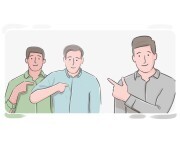
(objective third-person plural pronoun) used when referring to the aforementioned things or people that are the object of a sentence
eux,elles
Le jardinier a arrosé les plantes et les a taillées.
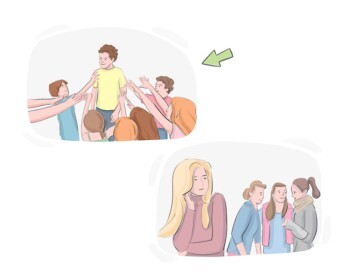
receiving a lot of love and attention from many people
populaire
Les sushis sont un choix alimentaire populaire parmi ceux qui aiment la cuisine japonaise.

something that a person spends time doing, particularly to accomplish a certain purpose
activité
Faire une promenade dans le parc est une activité de plein air relaxante.
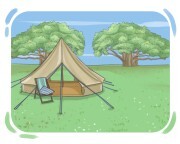
the activity of living outdoors in a tent, camper, etc. on a vacation
camping
Pendant le camping, respectez toujours la nature et ne laissez aucune trace.

a large place where people go and pay to have fun and enjoy games, rides, or other activities
parc d’attractions
Le parc d'attractions était bondé de visiteurs excités pendant les vacances d'été.

an event held outdoors on a street or in a public place where people can enjoy food, entertainment, and other activities
fête de rue,foire de rue
Nous avons acheté des objets artisanaux à la foire de rue du centre-ville.
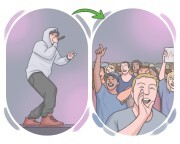
a public performance of music by singers or instrumentalists
concert
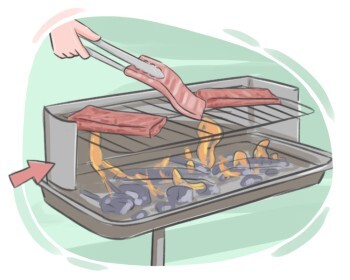
an outdoor party during which food, such as meat, fish, etc. is cooked on a metal frame over an open fire
barbecue
Il m'a invité à son barbecue samedi prochain.
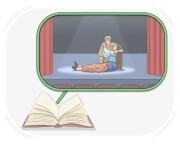
a written story that is meant to be performed on a stage, radio, or television
pièce (de théâtre)
La station de radio a diffusé une pièce qui a captivé les auditeurs à travers le pays.
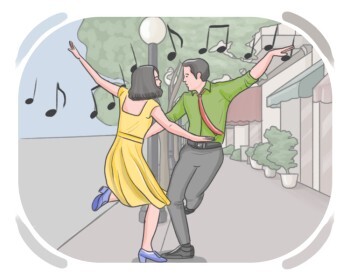
any theatrical performance that combines singing, dancing, and acting to tell a story
comédie musicale
Hamilton est une comédie musicale révolutionnaire qui raconte l'histoire d'Alexander Hamilton à travers un mélange unique de hip-hop et de chansons traditionnelles de spectacle.
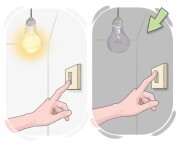
to make an electrical device or machine stop operating by using a switch, button, or other control
éteindre un appareil ou couper un flux, éteindre à l'aide d'un bouton ou interrupteur
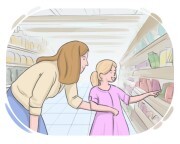
to wish to do or have something
vouloir
Je veux juste un verre d'eau pour aujourd'hui.
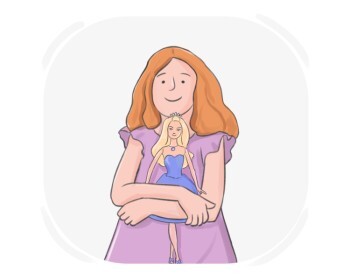
to hold or own something
avoir
Ils avaient autrefois une maison de plage.
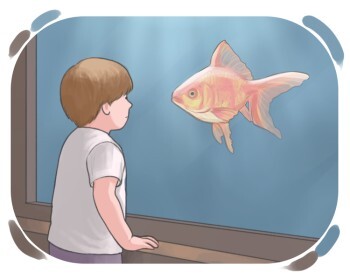
to notice a thing or person with our eyes
voir
Il vit une araignée grimper le long du mur.
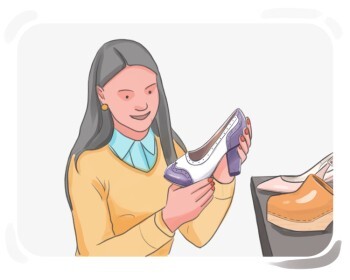
to feel that someone or something is good, enjoyable, or interesting
aimer, aimer bien, apprécier
Malgré tout ce que j'ai fait pour lui, je ne pense pas qu'il m'aime.
used to indicate a habitual tendency, preference, or desire
[verbe au conditionnel]
Il aurait l'habitude d'aller se promener chaque matin.
to move over a particular distance
aller
Les randonneurs sont allés plusieurs kilomètres avant d'atteindre le sommet de la montagne.

to have very strong feelings for someone or something that is important to us and we like a lot and want to take care of
adorer
Il aime profondément ses grands-parents et leur rend souvent visite.
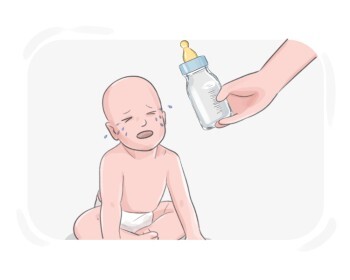
to want something or someone that we must have if we want to do or be something
avoir besoin
J'ai besoin de musique pour m'aider à me concentrer quand je travaille.
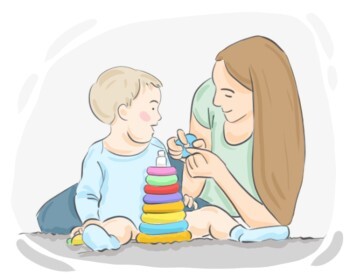
to take care of a child or children while their parents are away
garder les enfants,faire du baby-sitting
Pouvez-vous garder les enfants pour nous pendant que nous sortons dîner ?
the maximum extent or quantity of something that is legally permitted or allowed by regulations or laws
limite,seuil
La saison de pêche a une limite sur le nombre de poissons qui peuvent être pêchés pour éviter la surpêche.
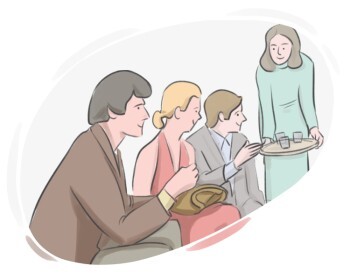
to be the organizer of an event such as a meeting, party, etc. to which people are invited
recevoir, accueillir
Les amis peuvent organiser une soirée pour célébrer des occasions spéciales avec leurs proches.
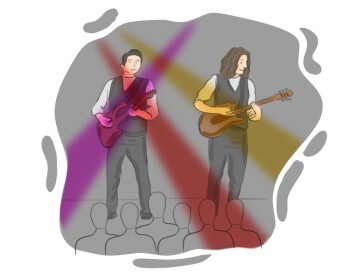
a group of musicians and singers playing popular music
groupe (de musique)
La musique du groupe mélange des éléments de jazz, soul et hip-hop, créant ainsi un son unique.
to discover information about something or someone by looking, asking, or investigating
vérifier
Laissez-moi vérifier l'horaire des trains pour trouver le prochain départ disponible.
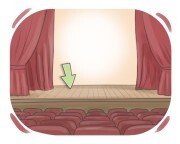
an elevated area, especially in theaters, on which artists perform for the audience
scène
Le groupe a joué ses tubes sur la scène principale du festival.
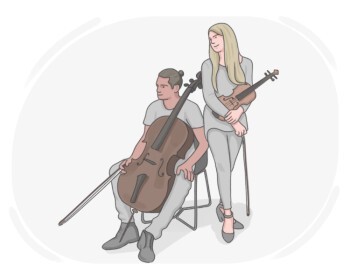
a person who plays, performs, or composes music, especially professionally
musicien, musicienne
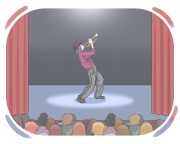
to give a performance of something such as a play or a piece of music for entertainment
jouer,interpréter
Le comédien a joué devant un large public.
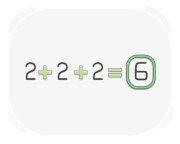
the complete amount or entirety of something
total
La population totale de la ville dépasse le million.
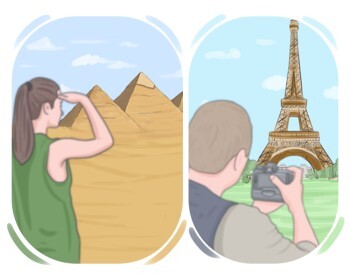
to visit places one has never seen before
explorer
L'équipe explore des territoires inconnus pour élargir les connaissances scientifiques.
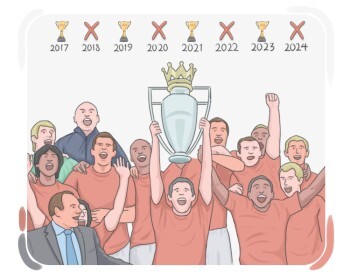
on some occasions, but not always
quelquefois, parfois

a person's signature, usually from someone famous or important
autographe
Son autographe vaut beaucoup d'argent.

used before a noun to include each of two people or things
les deux
a large printed picture, notice, or advertisement displayed on a wall or other public surface
affiche, poster
to write one's name or mark on a document to indicate acceptance, approval, or endorsement of its contents
signer
L'auteur a signé avec enthousiasme des exemplaires du livre nouvellement publié lors de l'événement de dédicace.
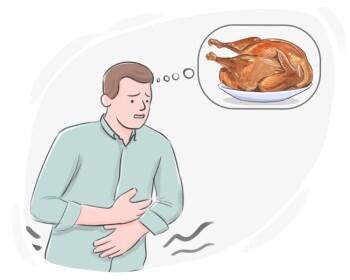
feeling a need or desire to eat food
avoir faim, needing food
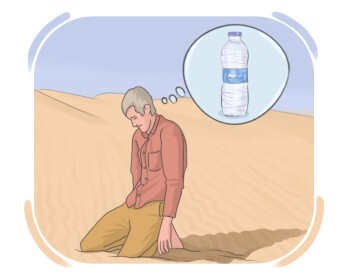
wanting or needing a drink
avoir soif, assoiffé
La pratique intense de la danse l'a rendue assoiffée, alors elle a attrapé une bouteille de boisson sportive.
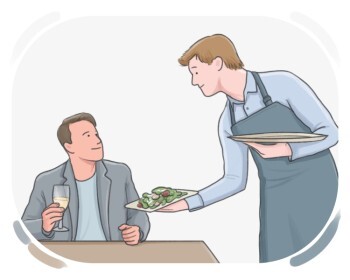
to offer something, typically food or drink, to someone
servir, présenter de la nourriture ou des boissons
L'hôte a servi des amuse-bouches avant le plat principal à la fête.
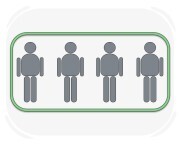
every single person in a group, community, or society, without exception
tout le monde
Tout le monde dans le quartier a assisté à la réunion communautaire pour discuter du nouveau parc.

to look for and buy different things from stores or websites
acheter
Beaucoup de gens préfèrent faire des achats en ligne pour la commodité de la livraison à domicile.

the middle part or point of an area or object
centre
Le gâteau avait un centre garni de crème qui avait un délicieux goût.

a piece of clothing often with a brim that we wear on our heads, for warmth, as a fashion item or as part of a uniform
chapeau
Mon père place toujours son chapeau sur le crochet près de la porte avant d'entrer dans la maison.
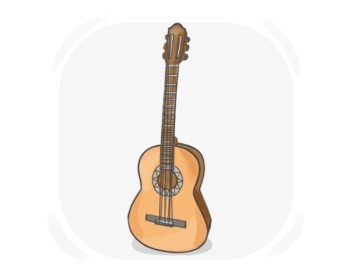
a musical instrument, usually with six strings, that we play by pulling the strings with our fingers or with a plectrum
guitare
Ils ont formé un groupe, et il joue de la guitare.
