pattern

本 Interchange - 初級 - ユニット16

ここでは、Interchange Beginnerコースブックのユニット16からの語彙を見つけることができます。例えば、「会議」、「ベビーシッター」、「人気のある」などです。

レビュー

フラッシュカード

語形

綴り

クイズ

学習を開始
Interchange - Beginner
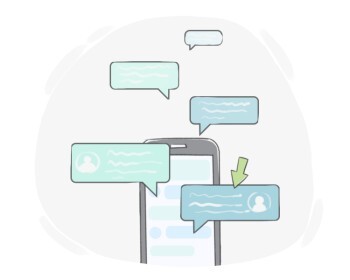
message
message
[名詞]

a written or spoken piece of information or communication sent to or left for another person

メッセージ, 通信

メッセージ, 通信

Ex: I sent a quick message to let them know I'll be late. 
creative
creative
[形容詞]

using imagination and original ideas to create or develop something

using imagination and original ideas to create or develop something
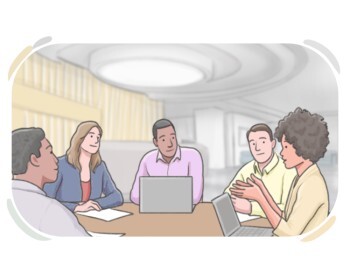
using imagination and original ideas to create or develop something

Ex: Emma found a creative way to organize the small apartment. 
meeting
meeting
[名詞]

an event in which people meet, either in person or online, to talk about something

会議, 打ち合わせ
会議, 打ち合わせ

Ex: She was taking notes during the entire meeting. 
at
at
[前置詞]

used to show a particular place or position

で, に

で, に

Ex: I saw him at the grocery store. 
in
in
[前置詞]

used to show that something exists or happens inside a space or area

で, の中に
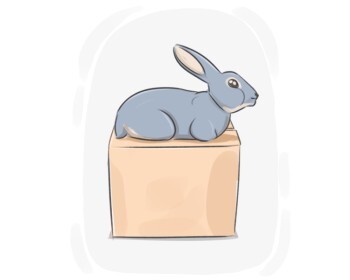
で, の中に

Ex: They live in a big house. 
on
on
[前置詞]

in contact with and upheld by a surface

上に, の上に

上に, の上に

Ex: If you are cold the blanket is on the bed. 
you
you
[代名詞]

(second-person pronoun) used for referring to the one or the people we are writing or talking to

あなた, あなたたち

あなた, あなたたち

Ex: What time are you leaving for work? 
he
he
[代名詞]

(subjective third-person singular pronoun) used when referring to a male human or animal that was already mentioned or one that is easy to identify

彼
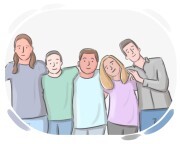
彼

Ex: He is going to the store to buy groceries. 
we
we
[代名詞]

(subjective first-person plural pronoun) used by a speaker when they want to talk or write about themselves and at least one other person

私たち

私たち

Ex: We are going to the beach this weekend. 
they
they
[代名詞]

(subjective third-person plural pronoun) used when referring to the things or people that were already mentioned

彼ら/彼女ら

彼ら/彼女ら

Ex: They are the ones responsible for organizing the event. 
me
me
[代名詞]

(objective first-person singular pronoun) used by the speaker to refer to themselves when they are the object of a sentence

私を

私を

Ex: He gave the book to me. 

彼は私に本をくれた。

you
you
[代名詞]

(second-person pronoun) used for referring to the one or the people we are writing or talking to

あなた, あなたたち

あなた, あなたたち

Ex: What time are you leaving for work? 
him
him
[代名詞]

(objective third-person singular pronoun) used when referring to a male human or animal as the object of a sentence

彼を, 彼に

彼を, 彼に

Ex: She gave the book to him. 

彼女は本を彼に渡した。

her
her
[代名詞]

(objective third-person singular pronoun) used when referring to a female human or animal that is the object of a sentence

彼女を, 彼女に

彼女を, 彼女に

Ex: He offered her a piece of cake. 

彼は彼女にケーキを一切れ勧めた。

us
us
[代名詞]

(objective first-person plural pronoun) used by the speaker to refer to themselves and at least one other person when they are the object of a sentence

私たち

私たち

Ex: They invited Sarah and us to the picnic. 

彼らはサラと私たちをピクニックに招待しました。

them
them
[代名詞]

(objective third-person plural pronoun) used when referring to the aforementioned things or people that are the object of a sentence

彼ら, 彼女ら

彼ら, 彼女ら

Ex: I lent them my umbrella during the rainstorm. 

私は嵐の間、彼らに傘を貸しました。

popular
popular
[形容詞]

receiving a lot of love and attention from many people

人気のある, 愛されている
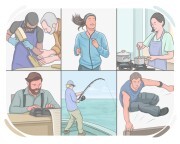
人気のある, 愛されている

Ex: This café is popular with local students. 
activity
activity
[名詞]

something that a person spends time doing, particularly to accomplish a certain purpose

活動, 作業
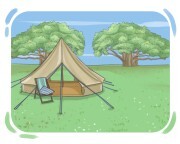
活動, 作業

Ex: Reading books is an enjoyable activity that helps expand your knowledge. 
camping
camping
[名詞]

the activity of ‌living outdoors in a tent, camper, etc. on a vacation

キャンプ

キャンプ

Ex: Camping in the wilderness can be a great adventure. 

荒野でのキャンプは素晴らしい冒険になることがあります。

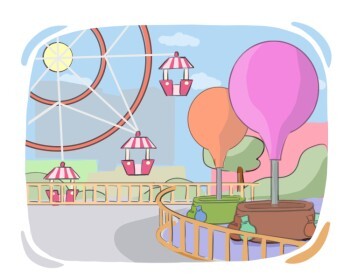
amusement park

a large place where people go and pay to have fun and enjoy games, rides, or other activities

遊園地, アミューズメントパーク

遊園地, アミューズメントパーク

Ex: Families often spend weekends at the amusement park enjoying the roller coasters and water rides. 

家族は週末によく遊園地で過ごし、ジェットコースターやウォーターライドを楽しみます。

street fair
street fair
[名詞]

an event held outdoors on a street or in a public place where people can enjoy food, entertainment, and other activities

ストリートフェア, 通り祭り

ストリートフェア, 通り祭り

Ex: The annual street fair attracted thousands of visitors. 

毎年恒例のストリートフェアは数千人の訪問者を魅了しました。

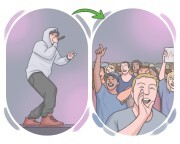
concert
concert
[名詞]

a public performance of music by singers or instrumentalists

コンサート,  音楽会
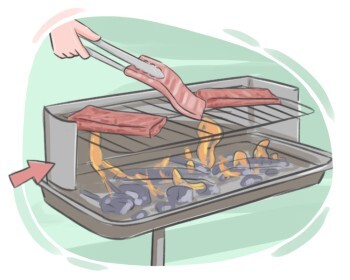
コンサート, 音楽会

Ex: Emma went to a concert with her friends. 
barbecue
barbecue
[名詞]

an outdoor party during which food, such as meat, fish, etc. is cooked on a metal frame over an open fire

バーベキュー,  焼肉パーティー

バーベキュー, 焼肉パーティー

Ex: During summer, we often enjoy a family barbecue at the park. 

夏の間、私たちはよく公園で家族でバーベキューを楽しみます。

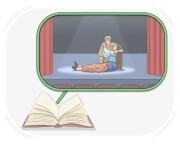
play
play
[名詞]

a written story that is meant to be performed on a stage, radio, or television

劇, 演劇
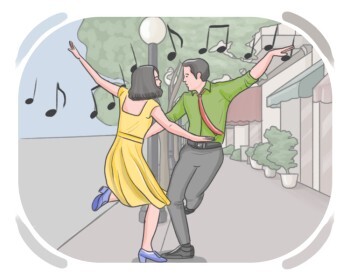
劇, 演劇

Ex: The drama club is rehearsing a classic Shakespearean play for their spring production. 
musical
musical
[名詞]

any theatrical performance that combines singing, dancing, and acting to tell a story

ミュージカル
ミュージカル

Ex: The local theater group is known for its impressive productions, and their latest musical has received rave reviews from the community. 
to turn off
to turn off
[動詞]

to cause a machine, device, or system to stop working or flowing, usually by pressing a button or turning a switch

機器を止めたり流れを遮断したりする, ボタンやスイッチで停止させる

機器を止めたり流れを遮断したりする, ボタンやスイッチで停止させる

Ex: She reminded him to turn off the engine before refueling the car. 

彼女は車に給油する前にエンジンを切るように彼に思い出させた。

to want
to want
[動詞]

to wish to do or have something

欲しい, 望む

欲しい, 望む

Ex: Mary wants to be a doctor when she grows up. 
to have
to have
[動詞]

to hold or own something

持っている, 所有する
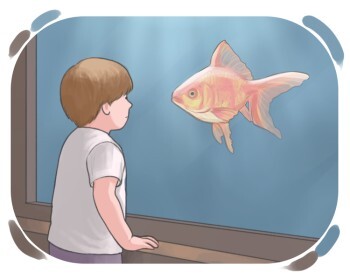
持っている, 所有する

Ex: I have a collection of antique coins that I inherited from my grandfather. 
to see
to see
[動詞]

to notice a thing or person with our eyes

見る, 気づく
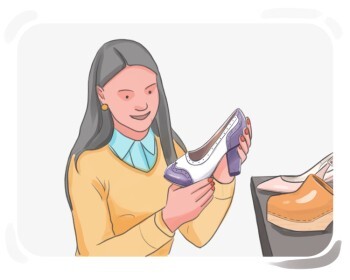
見る, 気づく

Ex: She saw a beautiful sunset on her way home from work. 
to like
to like
[動詞]

to feel that someone or something is good, enjoyable, or interesting

好き, 楽しむ

好き, 楽しむ

Ex: They have never liked horror movies. 
would
would
[動詞]

used to indicate a habitual tendency, preference, or desire

習慣だった, 好んだ

習慣だった, 好んだ

Ex: He would often help strangers in need. 
to go
to go
[動詞]

to move over a particular distance

行く, 移動する

行く, 移動する

Ex: The hikers went several miles before reaching the summit of the mountain. 
to love
to love
[動詞]

to have very strong feelings for someone or something that is important to us and we like a lot and want to take care of

愛する, 大好きだ
愛する, 大好きだ

Ex: She loved him from the moment they met. 
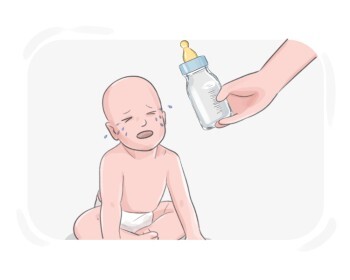
to need
to need
[動詞]

to want something or someone that we must have if we want to do or be something

必要とする, 要する
必要とする, 要する

Ex: The car needs a new battery to start. 
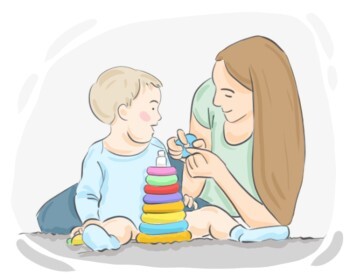
to babysit
to babysit
[動詞]

to take care of a child or children while their parents are away

子守をする, ベビーシッターをする

子守をする, ベビーシッターをする

Ex: She agreed to babysit her neighbor’s kids on Saturday night. 

彼女は土曜日の夜に隣人の子供たちをベビーシットすることに同意した。

limit
limit
[名詞]

the maximum extent or quantity of something that is legally permitted or allowed by regulations or laws

制限, 限度
制限, 限度

Ex: The legal limit for blood alcohol concentration while driving is 0.08% in many countries. 
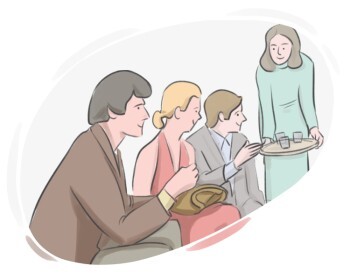
to host
to host
[動詞]

to be the organizer of an event such as a meeting, party, etc. to which people are invited

主催する, 開催する
主催する, 開催する

Ex: Event planners have recently hosted successful conferences. 
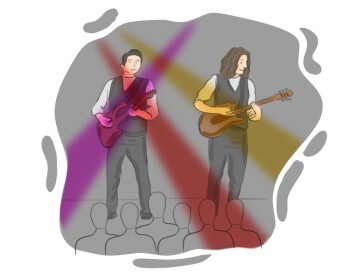
band
band
[名詞]

a group of musicians and singers playing popular music

バンド, グループ

バンド, グループ

Ex: They formed a rock band in high school and have been playing gigs together ever since. 
to check
to check
[動詞]

to discover information about something or someone by looking, asking, or investigating

確認する,  調べる
確認する, 調べる

Ex: She checked the train schedule before leaving home. 
stage
stage
[名詞]

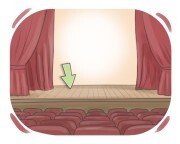
an elevated area, especially in theaters, on which artists perform for the audience

舞台, ステージ
舞台, ステージ

Ex: The theater crew set up the props and lighting on the stage for the upcoming play. 
musician
musician
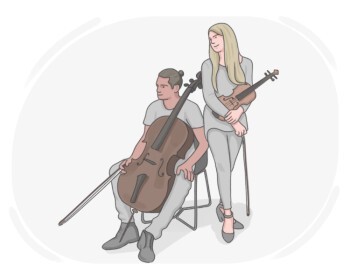
[名詞]

a person who plays, performs, or composes music, especially professionally
Ex: Emma works as a professional musician in New York. 
to perform
to perform
[動詞]

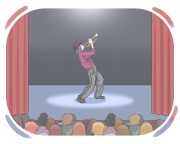
to give a performance of something such as a play or a piece of music for entertainment

演奏する, 演じる
演奏する, 演じる

Ex: The orchestra will perform Beethoven's Fifth Symphony tonight. 
total
total
[名詞]

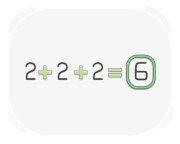
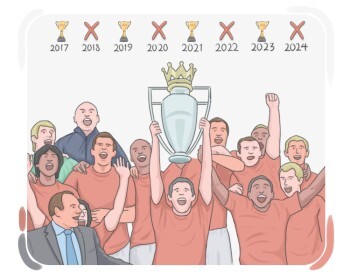
the complete amount or entirety of something

合計, 総額
合計, 総額

Ex: The total of the votes was announced. 
to explore
to explore
[動詞]

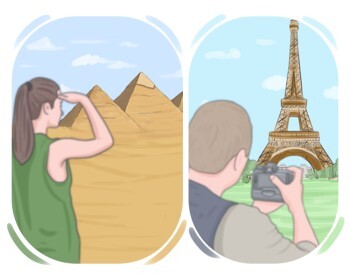
to visit places one has never seen before

探検する, 発見する
探検する, 発見する

Ex: He has explored various countries during his years of travel. 
sometimes
sometimes
[副詞]

on some occasions but not always

時々, たまに

時々, たまに

Ex: She sometimes practices yoga in the morning. 
autograph
autograph
[名詞]

a person's signature, usually from someone famous or important

サイン

サイン

Ex: She asked the actor for his autograph after the show. 

彼女はショーの後に俳優にサインを求めた。

both
both
[形容詞]

referring to two things together

両方, 両方の

両方, 両方の

Ex: Both of my parents are teachers, so education has always been important in our family. 

私の両親は二人とも教師なので、教育は私たちの家族でいつも重要でした。

poster
poster
[名詞]

a large printed picture, notice, or advertisement displayed on a wall or other public surface

ポスター,  貼り紙

ポスター, 貼り紙

Ex: Emma put a movie poster on her bedroom wall. 
to sign
to sign
[動詞]

to write one's name or mark on a document to indicate acceptance, approval, or endorsement of its contents

署名する
署名する

Ex: The author regularly signs copies of her books at book signings. 
hungry
hungry
[形容詞]

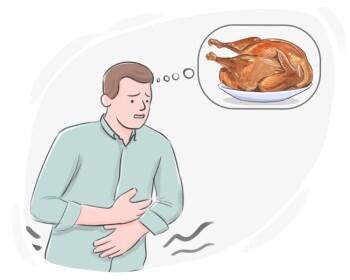
feeling a need or desire to eat food

Ex: I'm hungry because I skipped breakfast. 
thirsty
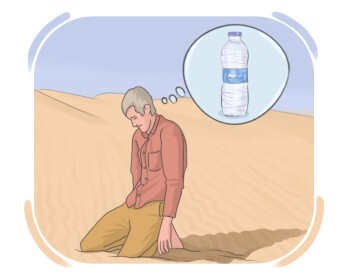
thirsty
[形容詞]

wanting or needing a drink

喉が渇いた,渇きを感じる, needing a drink
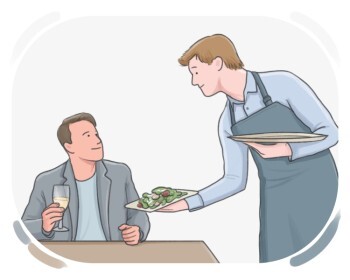
喉が渇いた,渇きを感じる, needing a drink

Ex: After eating spicy food, he became very thirsty and drank a glass of water. 
to serve up
to serve up
[動詞]

to offer something, typically food or drink, to someone

提供する, 食べ物や飲み物を出す

提供する, 食べ物や飲み物を出す

Ex: The chef served up a delicious three-course meal for the guests. 

シェフはゲストのために美味しい3コースの食事を提供しました。

everyone
everyone
[代名詞]

every single person in a group, community, or society, without exception

みんな, 各自

みんな, 各自

Ex: In times of crisis, everyone comes together to support each other. 

危機の時には、皆が互いに支え合うために集まります。

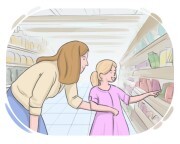
to shop
to shop
[動詞]

to look for and buy different things from stores or websites

買い物をする,  購入する

買い物をする, 購入する

Ex: The family is currently shopping for new furniture to redecorate their home. 
center
center
[名詞]

the middle part or point of an area or object

中心, 中央
中心, 中央

Ex: The town's main shopping center is always busy with people. 
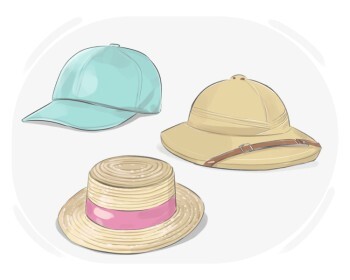
hat
hat
[名詞]

a piece of clothing often with a brim that we wear on our heads, for warmth, as a fashion item or as part of a uniform

帽子, ハット

帽子, ハット

Ex: She tried on different hats at the store to find the perfect fit. 
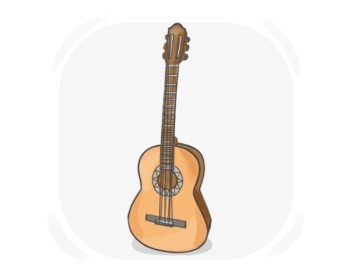
guitar
guitar
[名詞]

a musical instrument, usually with six strings, that we play by pulling the strings with our fingers or with a plectrum

ギター, エレキギター

ギター, エレキギター

Ex: We enjoy listening to acoustic guitar music. 
LanGeek
LanGeekアプリをダウンロード