
Il libro Interchange - Principiante - Unità 16
Qui troverai il vocabolario dell'Unità 16 del libro di corso Interchange Beginner, come "riunione", "fare da babysitter", "popolare", ecc.
Ripasso
Flashcard
Ortografia
Quiz
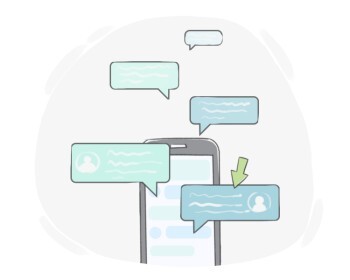
a piece of information or a request communicated to someone in writing, speech, or electronic form

messaggio
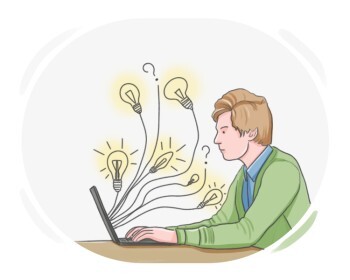
using imagination and original ideas to create or develop something
creativo
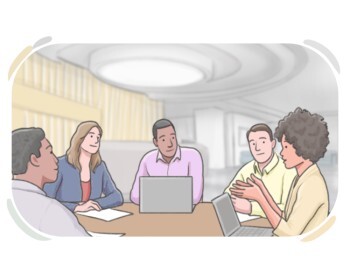
an event in which people meet, either in person or online, to talk about something
riunione
Abbiamo un incontro programato per le 10 di domani mattina.
used to show a particular place or position
a, da
Il cartello indica l'ingresso al museo.
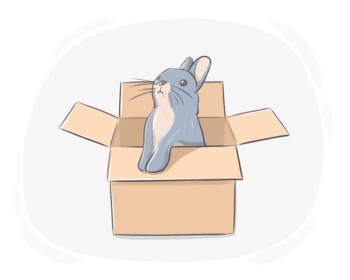
used to show that something exists or happens inside a space or area
in
Le tazze sono nella credenza.
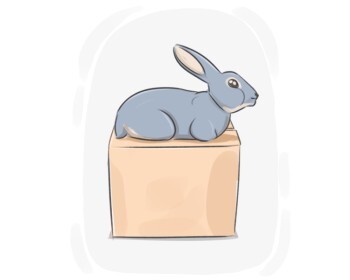
in contact with and supported by the surface of something
su
(second-person pronoun) used for referring to the one or the people we are writing or talking to
tu,voi
Tu dovresti fare una pausa e rilassarti.
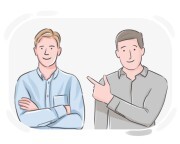
(subjective third-person singular pronoun) used when referring to a male human or animal that was already mentioned or one that is easy to identify
egli
Lui è colui che ha riparato il rubinetto che perdeva in cucina.
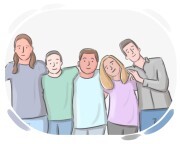
(subjective first-person plural pronoun) used by a speaker when they want to talk or write about themselves and at least one other person
noi
Noi dobbiamo decidere una data per la festa.

(subjective third-person plural pronoun) used when referring to the things or people that were already mentioned
essi/esse
A che ora arrivano loro all'aeroporto?

(objective first-person singular pronoun) used by the speaker to refer to themselves when they are the object of a sentence
me
Il mio amico ha scattato una foto alla mia famiglia e a me al parco.
(second-person pronoun) used for referring to the one or the people we are writing or talking to
tu,voi
Tu dovresti fare una pausa e rilassarti.
(objective third-person singular pronoun) used when referring to a male human or animal as the object of a sentence
lui,lo
Il cane lo seguiva ovunque andasse.
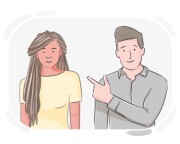
(objective third-person singular pronoun) used when referring to a female human or animal that is the object of a sentence
la,lei
Le hanno presentato un mazzo di fiori.
(objective first-person plural pronoun) used by the speaker to refer to themselves and at least one other person when they are the object of a sentence
noi
La guida turistica ci ha mostrato il museo.
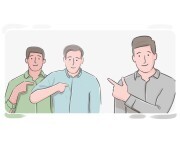
(objective third-person plural pronoun) used when referring to the aforementioned things or people that are the object of a sentence
loro,essi
Il bibliotecario ha mostrato loro dove trovare i libri e come prenderli in prestito.
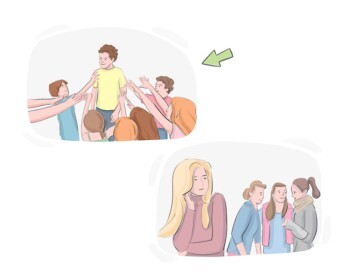
receiving a lot of love and attention from many people
popolare
Il nuovo locale di hamburger in centro è diventato rapidamente popolare grazie ai suoi sapori unici.
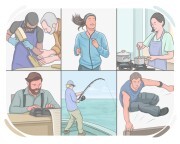
something that a person spends time doing, particularly to accomplish a certain purpose
activita
Risolvere puzzle e indovinelli può essere un'attività stimolante ma impegnativa.
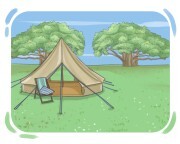
the activity of living outdoors in a tent, camper, etc. on a vacation
campeggio
Stiamo pianificando un viaggio di campeggio per il fine settimana.
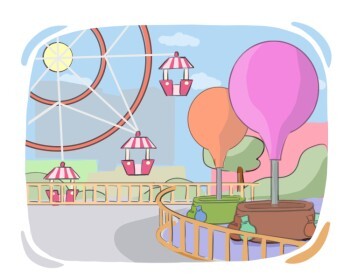
a large place where people go and pay to have fun and enjoy games, rides, or other activities
luna park
Ha celebrato il suo compleanno con gli amici al parco divertimenti, andando sulle auto scontre e giocando a mini-golf.

an event held outdoors on a street or in a public place where people can enjoy food, entertainment, and other activities
fiera di strada,festa di strada
Una varietà di cucine internazionali erano disponibili alla fiera di strada.
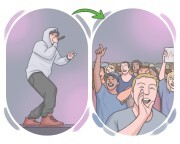
a public performance of music by singers or instrumentalists
concerto
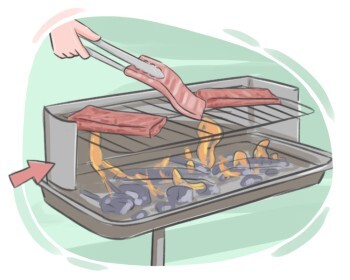
an outdoor party during which food, such as meat, fish, etc. is cooked on a metal frame over an open fire
barbecue
Stiamo organizzando un barbecue in giardino questo fine settimana con amici e famiglia.
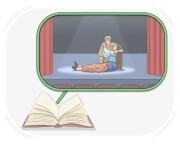
a written story that is meant to be performed on a stage, radio, or television
spettacolo
La sua opera premiata play ha ricevuto recensioni entusiastiche sia dalla critica che dal pubblico.
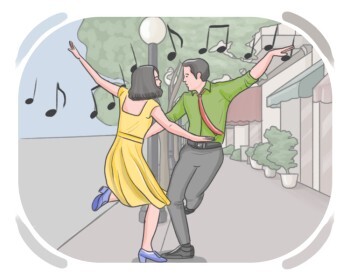
any theatrical performance that combines singing, dancing, and acting to tell a story
musicale
Sono stato catturato dalla profondità emotiva del musical, poiché ha trasmesso splendidamente le lotte e i trionfi dei personaggi attraverso performance potenti.
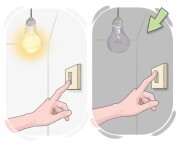
to make an electrical device or machine stop operating by using a switch, button, or other control
spegnere un dispositivo o interrompere un flusso, spegnere tramite pulsante o interruttore
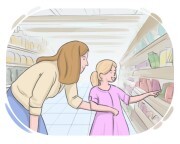
to wish to do or have something
volere
Cosa vuole per il suo compleanno?
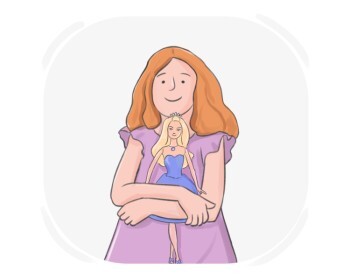
to hold or own something
avere
Noi abbiamo una prenotazione al ristorante.
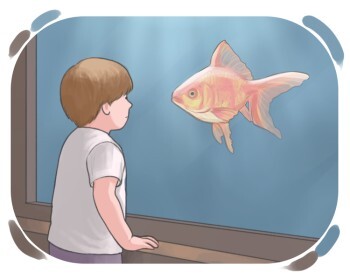
to notice a thing or person with our eyes
vedere
Hanno visto un fiore sbocciare nel giardino.
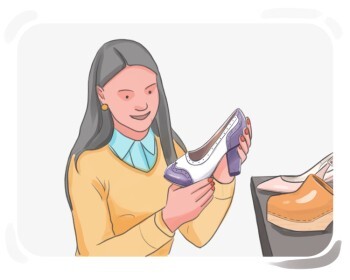
to feel that someone or something is good, enjoyable, or interesting
piacere,gradire
Che tipo di musica ti piace?
used to indicate a habitual tendency, preference, or desire
volere
Lei preferirebbe il tè al caffè.
to move over a particular distance
andare
Loro sono andati molto lontano per visitare il punto di riferimento storico durante le loro vacanze.
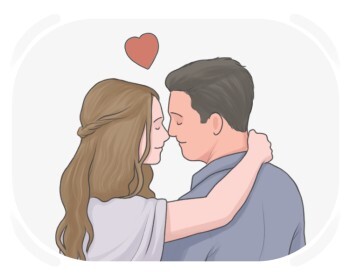
to have very strong feelings for someone or something that is important to us and we like a lot and want to take care of
amare
Loro amano la loro città natale e sono orgogliosi della sua storia e delle sue tradizioni.
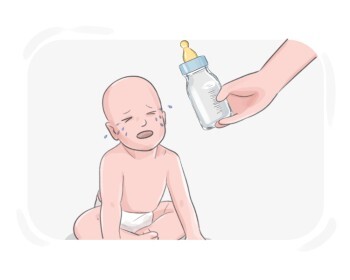
to want something or someone that we must have if we want to do or be something
aver bisogno
La casa ha bisogno di essere pulita prima che arrivino gli ospiti.
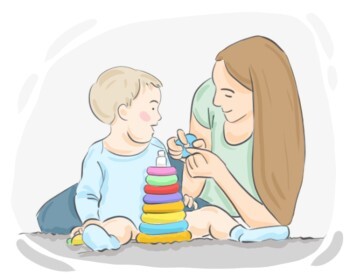
to take care of a child or children while their parents are away
fare da babysitter,badare ai bambini
Le piace fare la babysitter perché le piace giocare con i bambini.
the maximum extent or quantity of something that is legally permitted or allowed by regulations or laws
limite,soglia
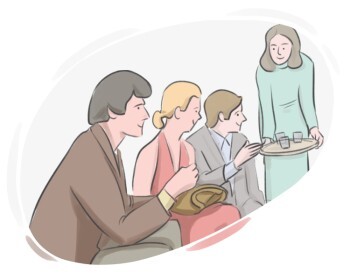
to be the organizer of an event such as a meeting, party, etc. to which people are invited
ospitare
Le famiglie hanno ospitato una festa di quartiere.
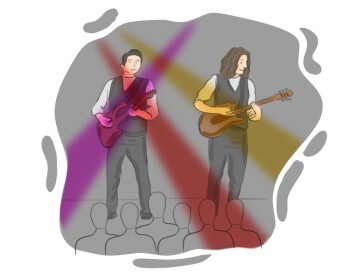
a group of musicians and singers playing popular music
banda, gruppo musicale
Lei canta le voci principali in una band indie locale che si esibisce in piccoli locali intorno alla città.
to discover information about something or someone by looking, asking, or investigating
controllare
Prima della riunione, dovremmo controllare l'agenda per sapere quali argomenti verranno discussi.
an elevated area, especially in theaters, on which artists perform for the audience
palcoscenico
La performance del comico ha illuminato l'intero palcoscenico con risate.
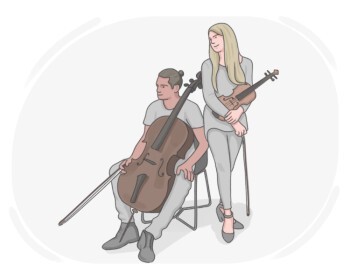
a person who plays, performs, or composes music, especially professionally
musicista
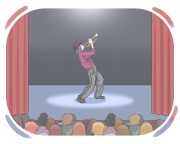
to give a performance of something such as a play or a piece of music for entertainment
eseguire
Loro eseguono una danza tradizionale al festival ogni anno.
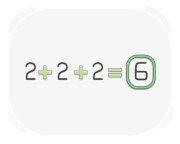
the complete amount or entirety of something
totale
Tutti gli articoli insieme costituiscono il totale.
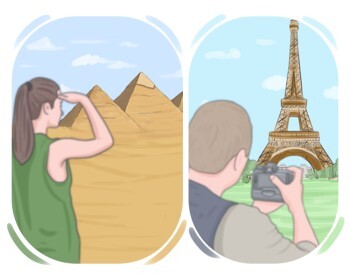
to visit places one has never seen before
esplorare
La scorsa estate, hanno esplorato i monumenti storici delle città europee.
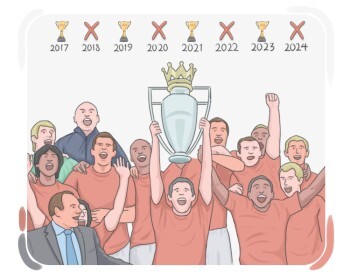
on some occasions, but not always
qualche volte
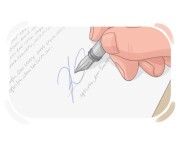
a person's signature, usually from someone famous or important
autografo
Erano entusiasti di vedere la celebrità che dava autografi all'evento.

used before a noun to include each of two people or things
entrambi
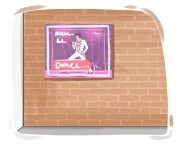
a large printed picture, notice, or advertisement displayed on a wall or other public surface
manifesto
to write one's name or mark on a document to indicate acceptance, approval, or endorsement of its contents
segnare
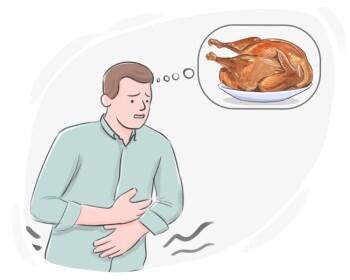
feeling a need or desire to eat food
affamato, needing food
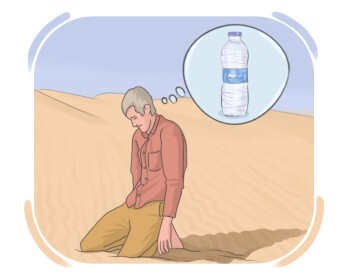
wanting or needing a drink
avido, assetato
Si sono sentiti assetati dopo il lungo volo e hanno bevuto acqua dal carrello dell'aereo.
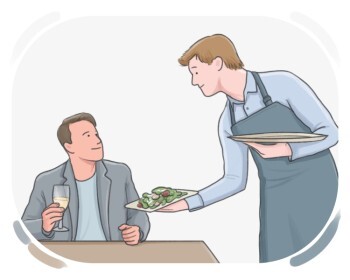
to offer something, typically food or drink, to someone
servire, portare in tavola
Lui serviva una colazione fatta in casa alla sua famiglia la domenica mattina.
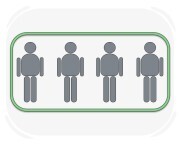
every single person in a group, community, or society, without exception
tutti
Durante la maratona, tutti si sono spinti per raggiungere il traguardo.

to look for and buy different things from stores or websites
fare compere
La scorsa settimana, ha fatto shopping per nuovi dispositivi elettronici durante una svendita.

the middle part or point of an area or object
centro
La ruota della bicicletta aveva un mozzo al suo centro.
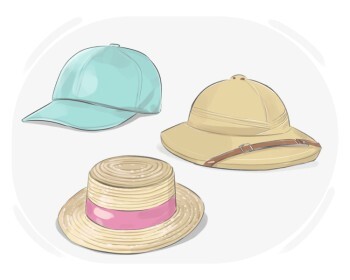
a piece of clothing often with a brim that we wear on our heads, for warmth, as a fashion item or as part of a uniform
cappello
Lei era solita indossare un cappello a tesa larga per proteggere il viso dal sole.
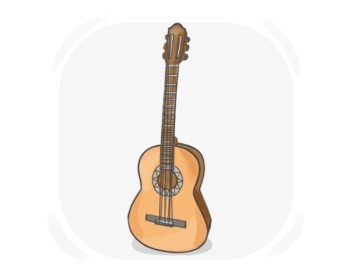
a musical instrument, usually with six strings, that we play by pulling the strings with our fingers or with a plectrum
chitarra
Ci siamo riuniti intorno al falò, cantando canzoni accompagnate dalla chitarra.
