pattern

Książka Interchange - Początkujący - Jednostka 16

Tutaj znajdziesz słownictwo z Unitu 16 w podręczniku Interchange Beginner, takie jak "spotkanie", "opieka nad dzieckiem", "popularny" itp.

Przegląd

Fiszki

formy

Pisownia

Test
Zacznij naukę
Interchange - Beginner
message
message
[Rzeczownik]

a written or spoken piece of information or communication sent to or left for another person

wiadomość, komunikat

wiadomość, komunikat

Ex: The email contained an important business message.

E-mail zawierał ważną biznesową wiadomość.

creative
creative
[przymiotnik]

making use of imagination or innovation in bringing something into existence

kreatywny, pomysłowy

kreatywny, pomysłowy

Ex: My friend is very creative, she designed and sewed her own dress for the party .

Moja przyjaciółka jest bardzo kreatywna, zaprojektowała i uszyła swoją sukienkę na imprezę.

meeting
meeting
[Rzeczownik]

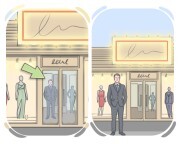
an event in which people meet, either in person or online, to talk about something

spotkanie, narada
spotkanie, narada

Ex: We have a meeting scheduled for 10 a.m. tomorrow .

Mamy zaplanowane spotkanie na jutro o 10 rano.

at
at
[Przyimek]

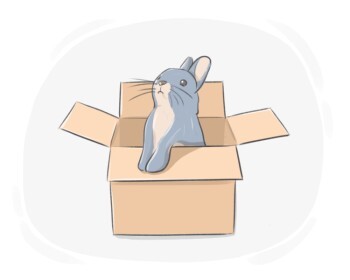
used to show a particular place or position

w, na
w, na

Ex: The sign indicates the entrance at the museum .

Znak wskazuje wejście do muzeum.

in
in
[Przyimek]

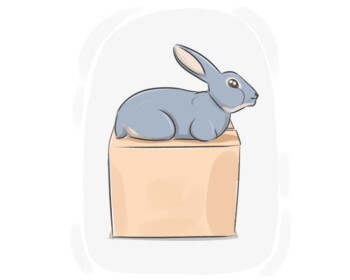
used to show that something exists or happens inside a space or area

w, wewnątrz
w, wewnątrz

Ex: The cups are in the cupboard .

Kubki są w szafce.

on
on
[Przyimek]

in contact with and upheld by a surface

na, nad

na, nad

Ex: Books were stacked on the floor .

Książki były ułożone na podłodze.

you
you
[Zaimki]

(second-person pronoun) used for referring to the one or the people we are writing or talking to

ty, wy

ty, wy

Ex: You should take a break and relax .

Ty powinieneś zrobić przerwę i odpocząć.

he
he
[Zaimki]

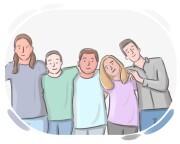
(subjective third-person singular pronoun) used when referring to a male human or animal that was already mentioned or one that is easy to identify

on
on

Ex: He is the one who fixed the leaky faucet in the kitchen .

On jest tym, który naprawił cieknący kran w kuchni.

we
we
[Zaimki]

(subjective first-person plural pronoun) used by a speaker when they want to talk or write about themselves and at least one other person

my

my

Ex: We need to decide on a date for the party .

Musimy zdecydować o dacie imprezy.

they
they
[Zaimki]

(subjective third-person plural pronoun) used when referring to the things or people that were already mentioned

oni/one

oni/one

Ex: What time are they arriving at the airport ?

O której godzinie oni przybywają na lotnisko?

me
me
[Zaimki]

(objective first-person singular pronoun) used by the speaker to refer to themselves when they are the object of a sentence

mnie

mnie

Ex: My friend took a photo of my family and me at the park .

Mój przyjaciel zrobił zdjęcie mojej rodzinie i mnie w parku.

you
you
[Zaimki]

(second-person pronoun) used for referring to the one or the people we are writing or talking to

ty, wy

ty, wy

Ex: You should take a break and relax .

Ty powinieneś zrobić przerwę i odpocząć.

him
him
[Zaimki]

(objective third-person singular pronoun) used when referring to a male human or animal as the object of a sentence

jego, jemu

jego, jemu

Ex: The dog followed him everywhere he went.

Pies szedł za nim wszędzie, gdziekolwiek poszedł.

her
her
[Zaimki]

(objective third-person singular pronoun) used when referring to a female human or animal that is the object of a sentence

ją, jej

ją, jej

Ex: They presented her with a bouquet of flowers.

Wręczyli jej bukiet kwiatów.

us
us
[Zaimki]

(objective first-person plural pronoun) used by the speaker to refer to themselves and at least one other person when they are the object of a sentence

nas

nas

Ex: The tour guide showed us around the museum.

Przewodnik pokazał nam muzeum.

them
them
[Zaimki]

(objective third-person plural pronoun) used when referring to the aforementioned things or people that are the object of a sentence

ich, im

ich, im

Ex: The librarian showed them where to find the books and how to check them out.

Bibliotekarz pokazał im, gdzie znaleźć książki i jak je wypożyczyć.

popular
popular
[przymiotnik]

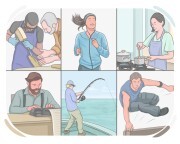
receiving a lot of love and attention from many people

popularny, kochany
popularny, kochany

Ex: His songs are popular because they are easy to dance to .

Jego piosenki są popularne, ponieważ łatwo się do nich tańczy.

activity
activity
[Rzeczownik]

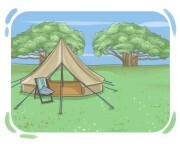
something that a person spends time doing, particularly to accomplish a certain purpose

aktywność, zajęcie
aktywność, zajęcie

Ex: Solving puzzles and brain teasers can be a challenging but stimulating activity.

Rozwiązywanie łamigłówek i zagadek umysłowych może być trudną, ale pobudzającą aktywnością.

camping
camping
[Rzeczownik]

the activity of ‌living outdoors in a tent, camper, etc. on a vacation

kamping

kamping

Ex: We are planning a camping trip for the weekend .

Planujemy wycieczkę kampingową na weekend.

amusement park
amusement park
[Rzeczownik]

a large place where people go and pay to have fun and enjoy games, rides, or other activities

park rozrywki, wesołe miasteczko

park rozrywki, wesołe miasteczko

Ex: He celebrated his birthday with friends at the amusement park, riding the bumper cars and playing mini-golf .

Świętował swoje urodziny z przyjaciółmi w wesołym miasteczku, jeżdżąc samochodami na zderzaki i grając w mini-golfa.

street fair
street fair
[Rzeczownik]

an event held outdoors on a street or in a public place where people can enjoy food, entertainment, and other activities

jarmark uliczny, święto ulicy

jarmark uliczny, święto ulicy

Ex: A variety of international cuisines were available at the street fair.

Różnorodne międzynarodowe kuchnie były dostępne na jarmarku ulicznym.

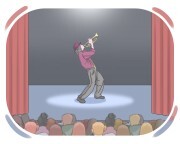
concert
concert
[Rzeczownik]

a public performance by musicians or singers

koncert

koncert

Ex: The school is hosting a concert to showcase the students ' musical talents .

Szkoła organizuje koncert, aby zaprezentować muzyczne talenty uczniów.

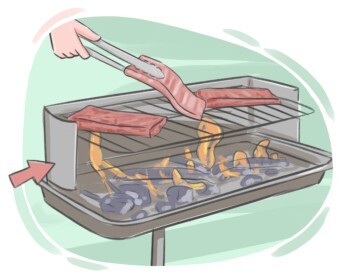
barbecue
barbecue
[Rzeczownik]

an outdoor party during which food, such as meat, fish, etc. is cooked on a metal frame over an open fire

grill,  barbecue

grill, barbecue

Ex: We 're planning a barbecue in the backyard this weekend with friends and family .

Planujemy grilla w ogrodzie w ten weekend z przyjaciółmi i rodziną.

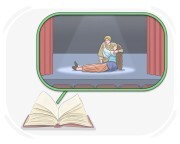
play
play
[Rzeczownik]

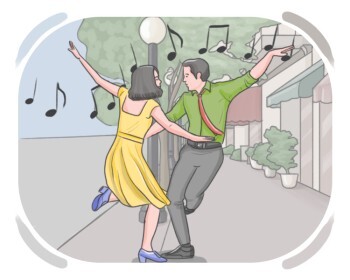
a written story that is meant to be performed on a stage, radio, or television

sztuka, przedstawienie
sztuka, przedstawienie

Ex: Her award-winning play received rave reviews from both critics and audiences .

Jej nagradzana sztuka otrzymała entuzjastyczne recenzje zarówno od krytyków, jak i publiczności.

musical
musical
[Rzeczownik]

any theatrical performance that combines singing, dancing, and acting to tell a story

musical
musical

Ex: I was captivated by the emotional depth of the musical, as it beautifully conveyed the characters' struggles and triumphs through powerful performances.

Byłem zafascynowany emocjonalną głębią musicalu, ponieważ pięknie przekazał on zmagania i triumfy postaci poprzez potężne występy.

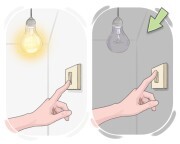
to turn off
to turn off
[Czasownik]

to cause a machine, device, or system to stop working or flowing, usually by pressing a button or turning a switch

wyłączyć, zamknąć

wyłączyć, zamknąć

Ex: Make sure to turn off the stove when you are done cooking.

Upewnij się, że wyłączysz kuchenkę po zakończeniu gotowania.

to want
to want
[Czasownik]

to wish to do or have something

chcieć, pragnąć

chcieć, pragnąć

Ex: What does she want for her birthday?

Czego ona chce na urodziny?

to have
to have
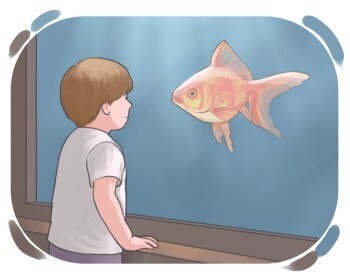
[Czasownik]

to hold or own something

mieć, posiadać
mieć, posiadać

Ex: He has a Bachelor 's degree in Computer Science .

On ma tytuł licencjata w dziedzinie informatyki.

to see
to see
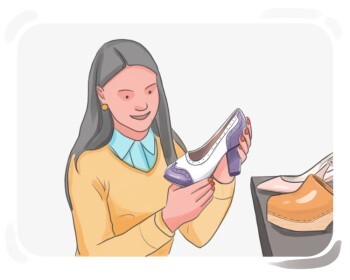
[Czasownik]

to notice a thing or person with our eyes

widzieć, zauważyć
widzieć, zauważyć

Ex: They saw a flower blooming in the garden.

Zobaczyli kwiat kwitnący w ogrodzie.

to like
to like
[Czasownik]

to feel that someone or something is good, enjoyable, or interesting

lubić, cieszyć się

lubić, cieszyć się

Ex: What kind of music do you like?

Jaką muzykę lubisz?

would
would
[Czasownik]

used to indicate a habitual tendency, preference, or desire

miała zwyczaj, lubiła

miała zwyczaj, lubiła

Ex: She would prefer tea to coffee .

Ona wolałaby herbatę od kawy.

to go
to go
[Czasownik]

to move over a particular distance

iść, poruszać się

iść, poruszać się

Ex: On their cycling tour , they went many miles each day , enjoying the landscapes along the way .

Podczas swojej wycieczki rowerowej każdego dnia pokonywali wiele mil, ciesząc się krajobrazami po drodze.

to love
to love
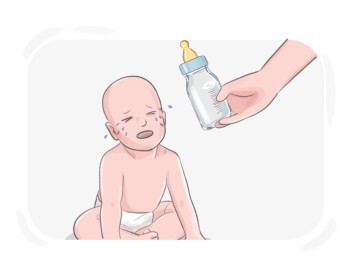
[Czasownik]

to have very strong feelings for someone or something that is important to us and we like a lot and want to take care of

kochać, uwielbiać
kochać, uwielbiać

Ex: They love their hometown and take pride in its history and traditions .

Oni kochają swoje rodzinne miasto i są dumni z jego historii i tradycji.

to need
to need
[Czasownik]

to want something or someone that we must have if we want to do or be something

potrzebować, wymagać
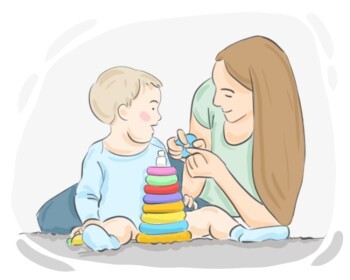
potrzebować, wymagać

Ex: The house needs cleaning before the guests arrive .

Dom wymaga sprzątania przed przybyciem gości.

to babysit
to babysit
[Czasownik]

to take care of a child or children while their parents are away

opiekować się dziećmi, być babysitterem

opiekować się dziećmi, być babysitterem

Ex: She loves to babysit because she enjoys playing with children .

Ona uwielbia opiekować się dziećmi, ponieważ lubi bawić się z dziećmi.

limit
limit
[Rzeczownik]

the maximum extent or quantity of something that is legally permitted or allowed by regulations or laws

limit, granica
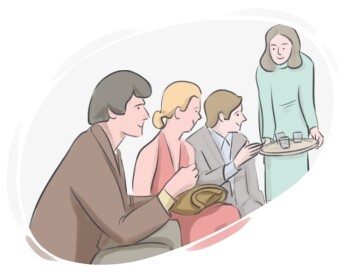
limit, granica

Ex: There are strict limits on the emission of pollutants from industrial plants to protect the environment .

Istnieją surowe ograniczenia dotyczące emisji zanieczyszczeń z zakładów przemysłowych w celu ochrony środowiska.

to host
to host
[Czasownik]

to be the organizer of an event such as a meeting, party, etc. to which people are invited

organizować, gospodarzyć
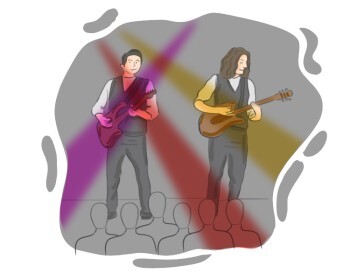
organizować, gospodarzyć

Ex: Families hosted a neighborhood block party .

Rodziny zorganizowały sąsiedzką imprezę.

band
band
[Rzeczownik]

a group of musicians and singers playing popular music

zespół, grupa

zespół, grupa

Ex: She sings lead vocals in a local indie band that performs at small venues around the city .

Ona śpiewa główne wokale w lokalnym indie zespole, który występuje w małych miejscach wokół miasta.

to check
to check
[Czasownik]

to discover information about something or someone by looking, asking, or investigating

sprawdzać,  weryfikować
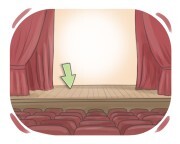
sprawdzać, weryfikować

Ex: Can you please check whether the documents are in the file cabinet ?

Czy możesz proszę sprawdzić, czy dokumenty są w szafie aktowej?

stage
stage
[Rzeczownik]

an elevated area, especially in theaters, on which artists perform for the audience

scena, estrada
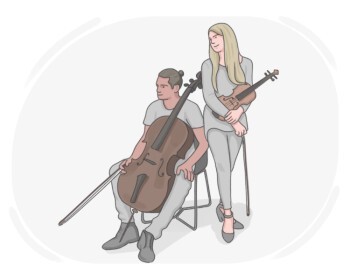
scena, estrada

Ex: The comedian 's performance had the entire stage lit up with laughter .

Występ komika rozświetlił całą scenę śmiechem.

musician
musician
[Rzeczownik]

someone who plays a musical instrument or writes music, especially as a profession

muzyk, instrumentalista

muzyk, instrumentalista

Ex: The young musician won a scholarship to a prestigious music school .

Młody muzyk wygrał stypendium do prestiżowej szkoły muzycznej.

to perform
to perform
[Czasownik]

to give a performance of something such as a play or a piece of music for entertainment

występować, wykonywać
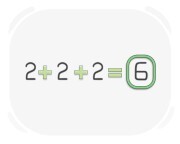
występować, wykonywać

Ex: They perform a traditional dance at the festival every year .

Oni wykonują tradycyjny taniec na festiwalu co roku.

total
total
[Rzeczownik]

the complete amount or entirety of something

całość, suma całkowita
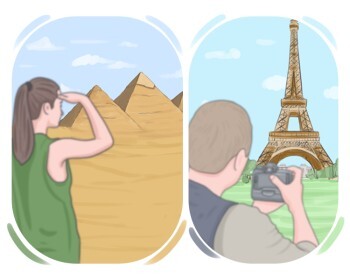
całość, suma całkowita

Ex: All the items together make up the total.

Wszystkie przedmioty razem stanowią całkowitą.

to explore
to explore
[Czasownik]

to visit places one has never seen before

eksplorować, odkrywać
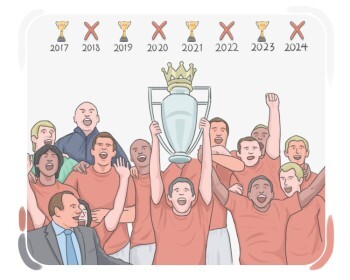
eksplorować, odkrywać

Ex: Last summer , they explored the historic landmarks of the European cities .

Zeszłego lata odkrywali zabytki europejskich miast.

sometimes
sometimes
[przysłówek]

on some occasions but not always

czasami, niekiedy

czasami, niekiedy

Ex: We sometimes visit our relatives during the holidays .

Czasami odwiedzamy naszych krewnych podczas wakacji.

autograph
autograph
[Rzeczownik]

a person's signature, usually from someone famous or important

autograf

autograf

Ex: They were excited to see the celebrity giving autographs at the event .

Byli podekscytowani, widząc celebrytę rozdającą autografy na imprezie.

both
both
[przymiotnik]

referring to two things together

obaj, oba

obaj, oba

Ex: He can speak both Spanish and French, making him an asset in international business meetings.

Potrafi mówić zarówno po hiszpańsku, jak i po francusku, co czyni go atutem w międzynarodowych spotkaniach biznesowych.

poster
poster
[Rzeczownik]

a large printed picture or notice, typically used for advertising or decoration

plakat, poster

plakat, poster

Ex: The school principal announced a contest for students to design a poster promoting kindness , with the winning entry to be displayed in the hallways .

Dyrektor szkoły ogłosił konkurs dla uczniów na zaprojektowanie plakatu promującego życzliwość, a zwycięska praca zostanie wywieszona na korytarzach.

to sign
to sign
[Czasownik]

to write one's name or mark on a document to indicate acceptance, approval, or endorsement of its contents

podpisywać
podpisywać

Ex: Right now , the executive is actively signing letters for the upcoming mailing .

Obecnie kierownictwo aktywnie podpisuje listy na nadchodzącą wysyłkę pocztową.

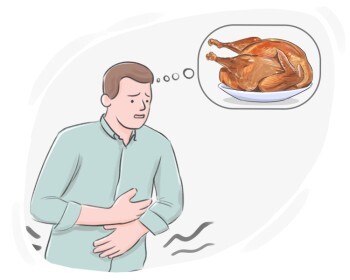
hungry
hungry
[przymiotnik]

needing or wanting something to eat

głodny,głód, needing food

głodny,głód, needing food

Ex: The long hike left them feeling tired and hungry.

Długa wędrówka pozostawiła ich zmęczonych i głodnych.

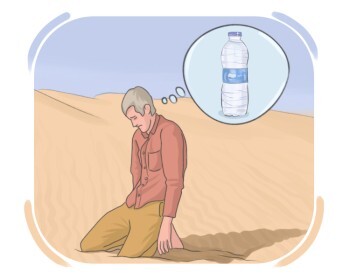
thirsty
thirsty
[przymiotnik]

wanting or needing a drink

spragniony,pragnący, needing a drink
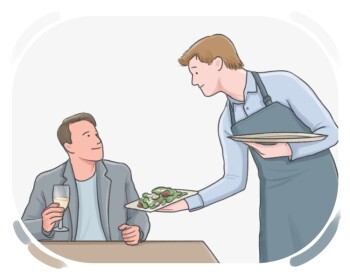
spragniony,pragnący, needing a drink

Ex: They felt thirsty after the long flight and drank water from the airplane 's cart .

Po długim locie poczuli pragnienie i pili wodę z wózka samolotu.

to serve up
to serve up
[Czasownik]

to offer something, typically food or drink, to someone

podawać, serwować

podawać, serwować

Ex: He served up a homemade breakfast to his family on Sunday mornings .

W niedzielne poranki serwował swojej rodzinie domowe śniadanie.

everyone
everyone
[Zaimki]

every single person in a group, community, or society, without exception

wszyscy, każdy

wszyscy, każdy

Ex: During the marathon , everyone pushed themselves to reach the finish line .

Podczas maratonu wszyscy pchali się, aby dotrzeć do mety.

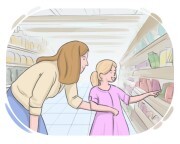
to shop
to shop
[Czasownik]

to look for and buy different things from stores or websites

kupować,  robić zakupy

kupować, robić zakupy

Ex: Last week , she shopped for new electronics during a sale .

W zeszłym tygodniu robiła zakupy nowej elektroniki podczas wyprzedaży.

center
center
[Rzeczownik]

the middle part or point of an area or object

środek, centrum
środek, centrum

Ex: The wheel of the bicycle had a hub at its center.

Koło roweru miało piastę w swoim centrum.

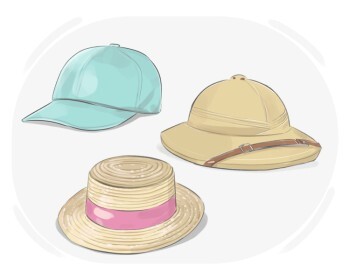
hat
hat
[Rzeczownik]

a piece of clothing often with a brim that we wear on our heads, for warmth, as a fashion item or as part of a uniform

kapelusz, czapka
kapelusz, czapka

Ex: She used to wear a wide-brimmed hat to protect her face from the sun .

Nosiła kapelusz z szerokim rondem, aby chronić twarz przed słońcem.

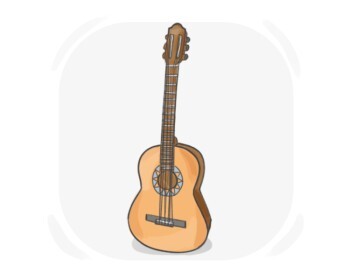
guitar
guitar
[Rzeczownik]

a musical instrument, usually with six strings, that we play by pulling the strings with our fingers or with a plectrum

gitara, gitara elektryczna

gitara, gitara elektryczna

Ex: We gathered around the campfire , singing songs accompanied by the guitar.

Zebraliśmy się wokół ogniska, śpiewając piosenki przy akompaniamencie gitary.

LanGeek
Pobierz aplikację LanGeek